How Southern California Heat Affects Plastic Bumpers and Trim
Most drivers think about Southern California heat in terms of air conditioning performance, tire pressure, or the discomfort of getting into a vehicle that has been sitting in the sun all afternoon. However, prolonged exposure to high temperatures can affect far more than the cabin temperature. Over time, intense sunlight and heat can take a toll on numerous exterior vehicle components, particularly plastic bumpers, trim pieces, moldings, and painted surfaces.
At DG Collision Center, we often inspect vehicles that have developed cosmetic and structural issues related to years of sun exposure. While modern vehicles are designed to withstand harsh environmental conditions, Southern California’s combination of heat, UV radiation, and daily temperature fluctuations can gradually impact both appearance and performance. Understanding what happens to these materials can help vehicle owners identify problems early and protect their investment.
Why Modern Vehicles Use Plastic Bumpers and Trim
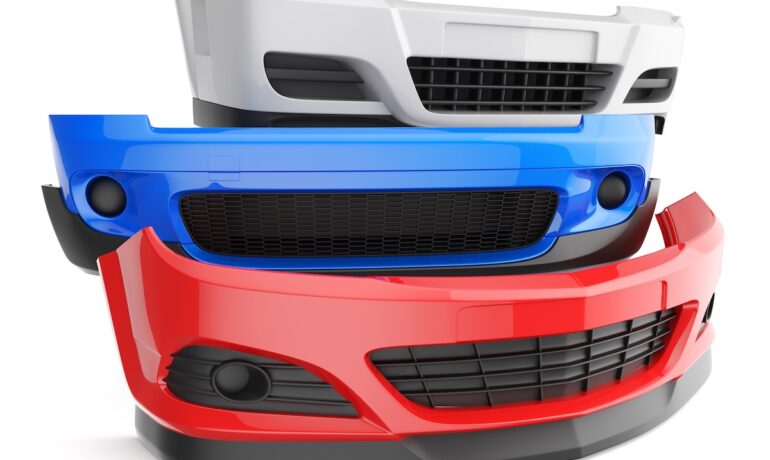
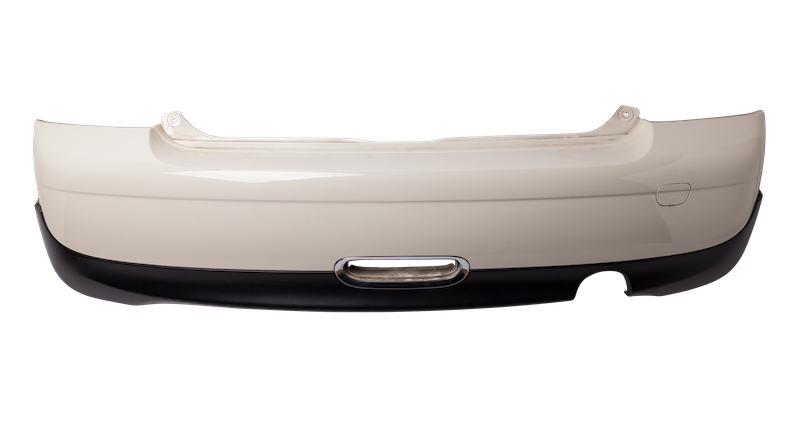
Years ago, vehicle components were made primarily from steel or chrome. Today, manufacturers use plastic extensively throughout vehicle design, particularly for bumpers, grilles, rocker panels, mirror housings, wheel arch trim, and various decorative moldings.
There are several reasons for this shift. Plastic components are lighter, which helps improve fuel efficiency. They are also less expensive to manufacture and can be molded into complex shapes that would be difficult or costly to create from metal. Additionally, modern bumper systems are specifically engineered to absorb impact energy during low-speed collisions.
While these materials offer significant advantages, they also respond differently to heat than traditional metal components. Consequently, years of exposure to intense sunlight can sometimes produce changes that vehicle owners may not immediately recognize.
Heat Causes Expansion and Contraction in Plastic Bumpers & Trim Every Day
One of the most overlooked effects of Southern California weather is the constant cycle of expansion and contraction that occurs as temperatures rise and fall throughout the day.
When plastic components heat up, they expand. Later, as temperatures cool overnight, they contract. Although these changes may be microscopic, they occur repeatedly over the life of the vehicle. As a result, the cumulative effects can eventually become visible.
For example, gaps between body panels may begin to look uneven. Trim pieces may no longer sit perfectly flush against surrounding surfaces. In some cases, mounting clips and fasteners experience additional stress as materials move slightly with changing temperatures.
While a single hot day is unlikely to cause noticeable damage, years of repeated expansion and contraction can contribute to wear that gradually becomes more apparent.
Why Plastic Bumpers and Trim Can Warp Over Time
Many vehicle owners are surprised to learn that bumpers are among the largest plastic components on most modern vehicles. Because of their size and location, they receive substantial exposure to both sunlight and roadway heat.
As temperatures climb during the summer months, bumper covers can become significantly warmer than the surrounding air. Parking on asphalt, especially in direct sunlight, can further increase surface temperatures. Consequently, plastic materials may soften slightly and become more susceptible to distortion.
Over time, prolonged exposure can contribute to subtle warping. This may appear as uneven panel alignment, slight waves in the bumper surface, or areas where the bumper no longer fits as tightly against adjacent panels. Additionally, previous repairs can sometimes influence how a bumper responds to heat. If repairs were not performed properly or if lower-quality materials were used, thermal expansion may reveal imperfections that were not immediately noticeable when the work was completed.
The Connection Between Heat and Paint Separation
Many people assume that paint problems are simply cosmetic. However, paint separation can sometimes indicate underlying issues involving the bond between the paint and the surface beneath it.
As plastic components expand and contract, the paint applied to those surfaces must move along with them. When everything is functioning properly, modern automotive paint systems are designed to accommodate this movement. Nevertheless, age, UV exposure, previous damage, and environmental conditions can gradually weaken that flexibility.
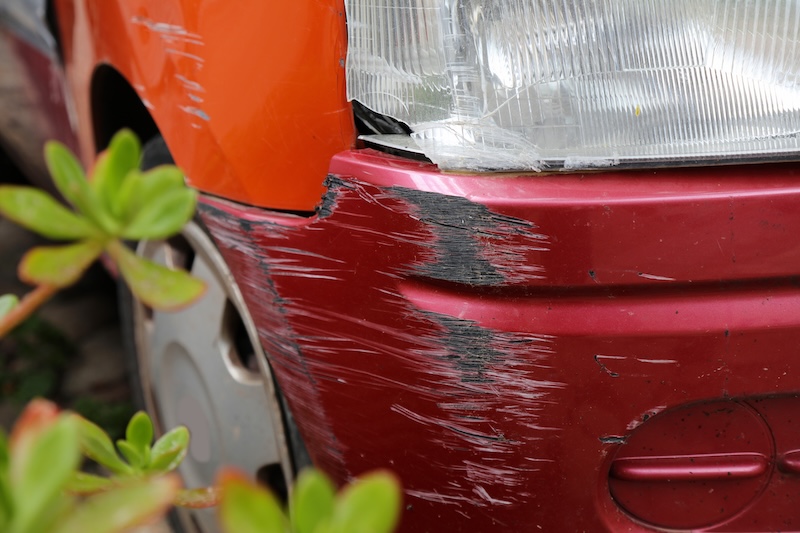
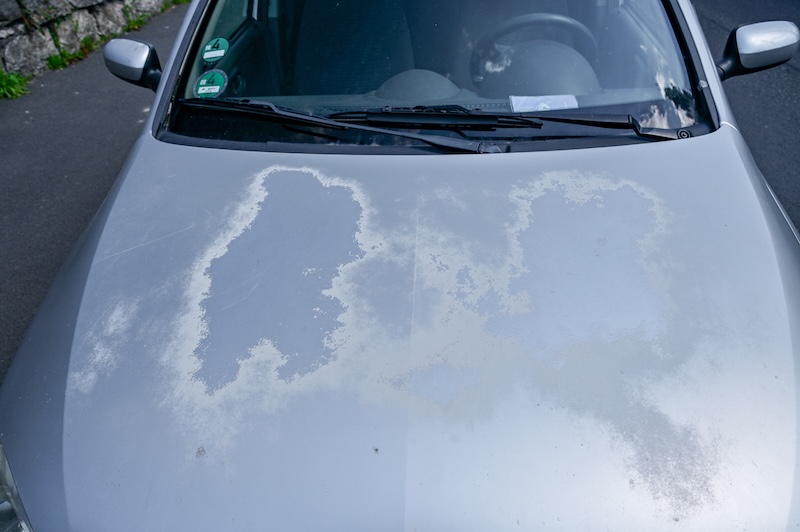
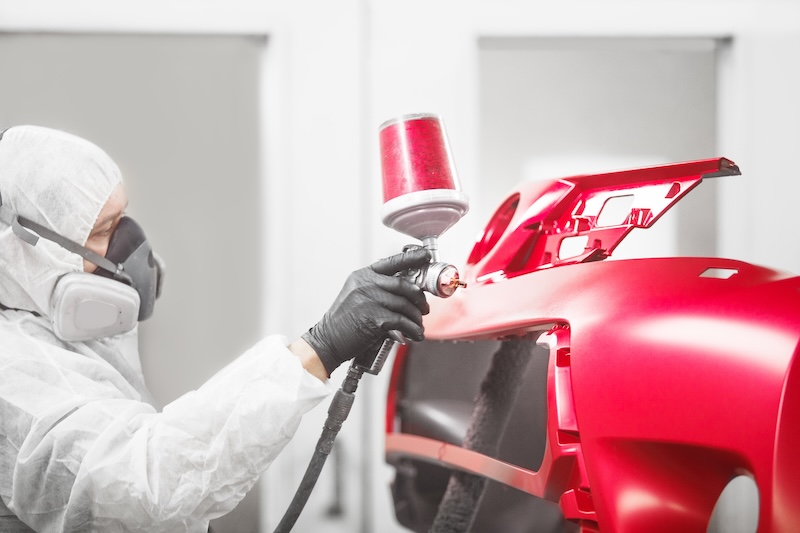
Eventually, the bond between paint layers may begin to deteriorate. This can lead to peeling, cracking, bubbling, or flaking. In some situations, the clear coat may fail first, creating a dull or chalky appearance. In others, the paint itself may begin separating from the bumper or trim component.
Because Southern California experiences abundant sunshine year-round, UV exposure often accelerates these processes compared to regions with milder climates.
Why Dark-Colored Vehicles May Experience More Stress
Although every vehicle is exposed to the same weather conditions, color can influence how much heat exterior surfaces absorb. Dark-colored vehicles typically absorb more solar energy than lighter-colored vehicles. As a result, black, dark blue, and dark gray surfaces often reach higher temperatures during periods of direct sunlight. Consequently, the plastic components on these vehicles may experience more thermal stress throughout the year.
This does not mean dark-colored vehicles will automatically develop problems. However, it does explain why some owners notice fading, clear coat issues, or trim deterioration sooner than expected.
For drivers who regularly park outdoors, especially during Southern California summers, this additional heat exposure can become a contributing factor in long-term cosmetic wear.
How UV Rays Affect Exterior Trim
While heat receives much of the attention, ultraviolet radiation often causes even greater long-term damage to plastic trim components. Over time, UV exposure can break down the chemical structure of certain plastics. As this occurs, trim pieces may begin fading, discoloring, or becoming brittle. Black trim frequently turns gray or chalky, while textured surfaces can lose their original appearance.
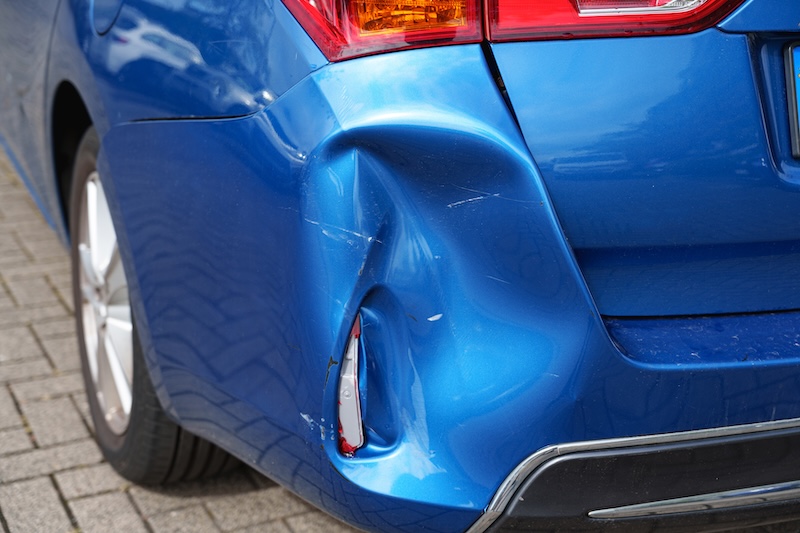
Furthermore, weakened plastic may become more susceptible to cracking or breaking when subjected to additional stress. Something as simple as a minor impact or a routine repair procedure can sometimes reveal damage that has been developing internally for years. Because of this, technicians frequently inspect surrounding trim components carefully when evaluating collision damage, particularly on older vehicles that spend significant time outdoors.
Can Previous Collision Damage Make Heat-Related Problems Worse?
In some cases, yes. A properly repaired vehicle should perform similarly to one that has never been involved in a collision. However, repairs performed using incorrect procedures or substandard materials may become more noticeable as the vehicle ages.
For example, improperly prepared surfaces may experience paint adhesion problems. Likewise, poor-quality refinishing work can sometimes react differently to prolonged heat exposure than factory finishes. As temperatures fluctuate, these differences may eventually become visible through peeling paint, surface irregularities, or premature deterioration.
This is one reason why proper repair procedures and high-quality materials remain so important. The true quality of a repair is often revealed not immediately after the work is completed, but years later as the vehicle continues facing real-world environmental conditions.
What Vehicle Owners Can Do to Protect Exterior Components like Plastic Bumpers and Trim
While no vehicle can completely avoid the effects of aging and weather exposure, there are several steps owners can take to reduce unnecessary wear.
Whenever possible, consider:
Parking in a garage or covered area
Using shaded parking spaces when available
Washing the vehicle regularly to remove contaminants
Applying quality paint protection products
Addressing paint damage before it spreads
Repairing damaged trim before deterioration worsens
In addition, routine inspections can help identify developing problems before they require more extensive repairs. Catching paint separation, trim damage, or alignment concerns early is often far less expensive than waiting until the issue becomes more severe.
Small Changes Can Become Larger Problems
Many heat-related issues begin subtly. A slight panel gap, a small area of fading, or minor paint lifting may not seem significant at first. However, because heat and UV exposure continue working every day, these conditions often worsen over time.
Fortunately, early evaluation by an experienced collision repair professional can help determine whether a concern is purely cosmetic or if additional repairs may be needed. In many cases, addressing a problem early helps preserve both appearance and value while preventing more extensive damage later.
About DG Collision Center in Covina, California
DG Collision Center provides professional collision repair, auto body repair, frame repair, paint refinishing, dent repair, bumper repair, and advanced vehicle restoration services throughout Covina and the surrounding Southern California communities. As an independent collision repair facility, DG Collision Center focuses on proper repair procedures, quality workmanship, and clear communication throughout the repair process. Whether your vehicle has suffered major collision damage or requires professional evaluation of cosmetic concerns, the experienced team at DG Collision Center is committed to restoring your vehicle safely and correctly.