

 Why Doesn’t My New Paint Match Immediately? Understanding Collision Repair Paint Matching
Picking up your vehicle after a collision repair should feel exciting. The dents are gone, the damaged panels have been replaced, and your car finally looks whole again. Then, as you walk around the vehicle, you notice something that catches your eye. Maybe the repaired panel looks slightly lighter in the shade, a little darker in direct sunlight, or the metallic finish seems to sparkle differently than the surrounding paint. Naturally, your first thought may be that something isn’t right.
In reality, modern automotive paint matching is one of the most challenging parts of collision repair. Today’s factory finishes contain multiple layers, metallic flakes, pearls, and specialized pigments that interact with light in different ways. Even when technicians use the exact factory paint code, achieving a seamless repair involves far more than simply mixing the correct color. At DG Collision Center, we spend considerable time matching paint because restoring your vehicle means recreating the appearance the manufacturer intended—not simply covering repaired panels.
A Paint Code Is Only the Starting Point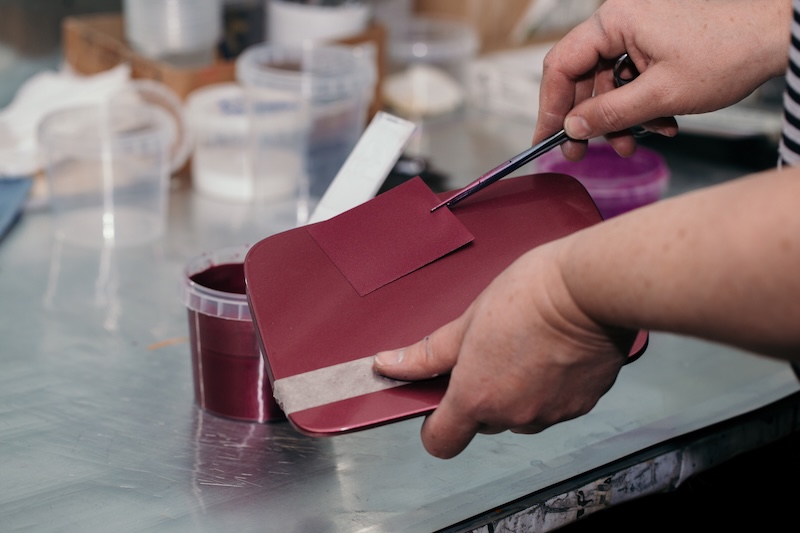
Many people assume every vehicle with the same paint code leaves the factory looking identical. While the paint code provides the correct formula, it does not account for years of sunlight, weather, washing, or environmental exposure that gradually change a vehicle’s finish.
For example, your vehicle’s paint may have experienced:
- UV fading from years in the California sun
- Oxidation from normal weather exposure
- Slight color changes caused by age
- Previous repairs completed years earlier
- Variations that naturally occur during factory production
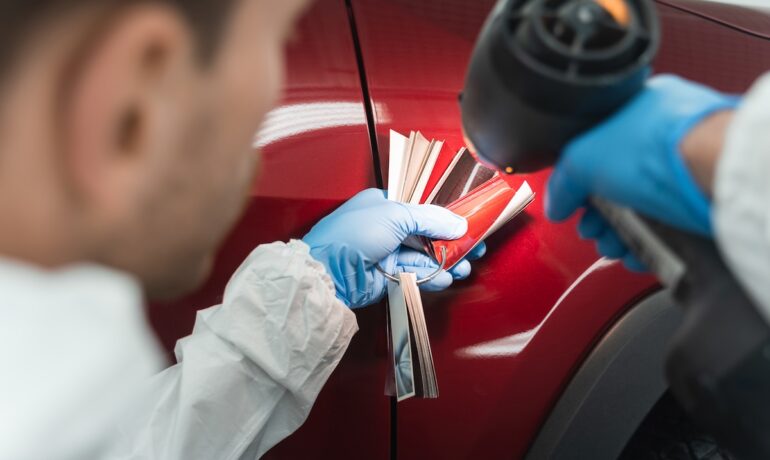
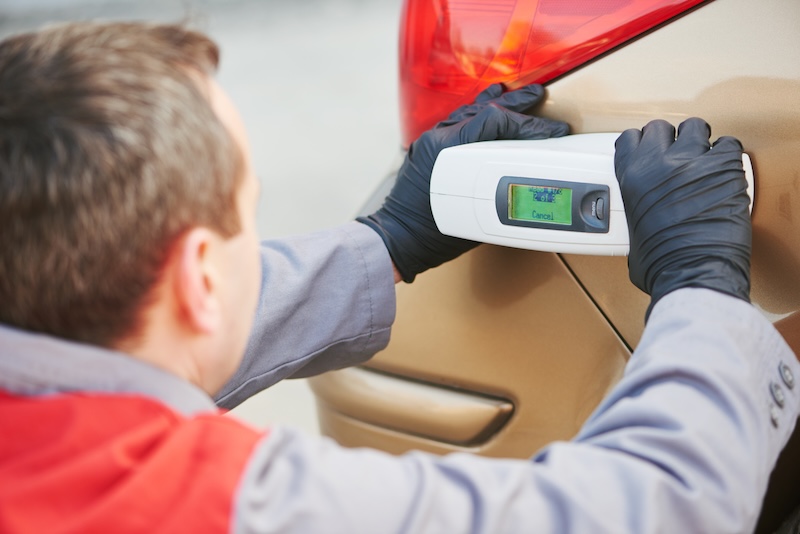
Because of these factors, technicians rarely rely on the paint code alone. Instead, we compare the new color against the existing finish and make subtle adjustments until the repaired area blends naturally with the rest of the vehicle.
Metallic and Pearl Paint Add Another Layer of Complexity
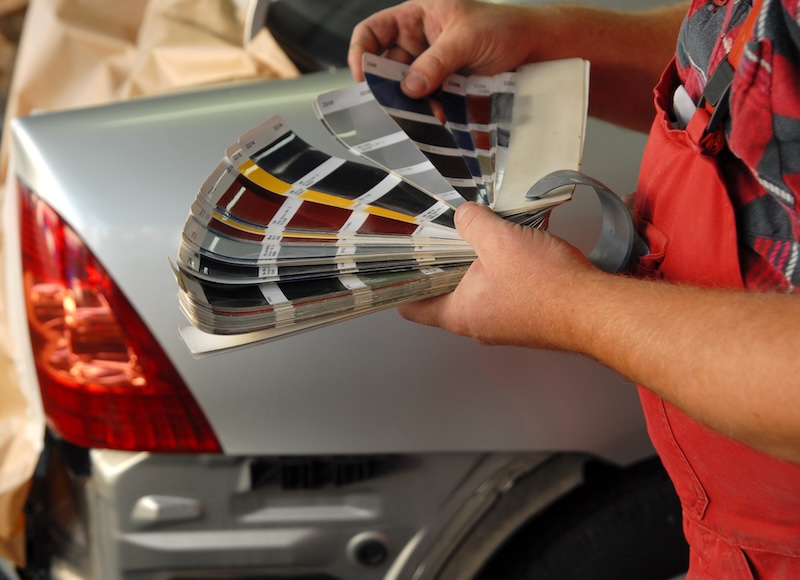 Solid colors are generally the easiest finishes to match. Metallic and pearl finishes, however, require considerably more precision because they don’t simply reflect color—they reflect light.
Metallic paints contain tiny aluminum flakes that create sparkle and depth, while pearl finishes include microscopic particles that change appearance depending on the viewing angle. A vehicle may look perfectly matched inside the paint booth yet appear slightly different outdoors because sunlight interacts with those particles differently.
To properly paint match, painters must carefully control numerous variables, including:
- Spray gun pressure
- Spray distance
- Application angle
- Number of coats
- Flash time between coats
- Clear coat application
Even small differences in technique can affect how metallic or pearl finishes appear after the repair.
What Is “Metallic Flop?” 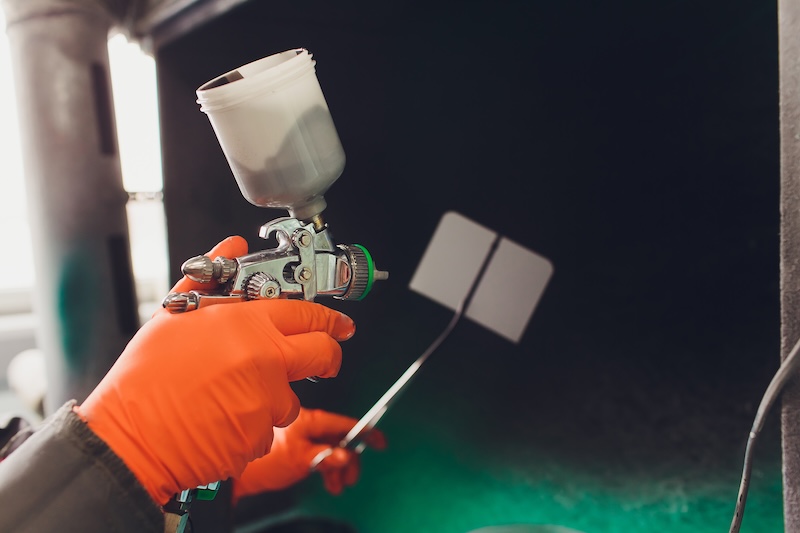
One term professional painters often use is metallic flop. Although most customers have never heard the phrase, they have certainly seen it. Metallic flop describes how metallic paint changes appearance as you move around the vehicle or view it from different angles. A panel may appear darker from one direction and lighter from another because the metallic particles settle differently as the paint dries. Achieving the correct metallic flop requires both experience and careful spray technique. Matching the color alone isn’t enough. The orientation of the metallic particles must also closely resemble the surrounding factory finish so the repaired panel reflects light naturally from every angle.
Why Body Shops Blend Paint Into Adjacent Panels
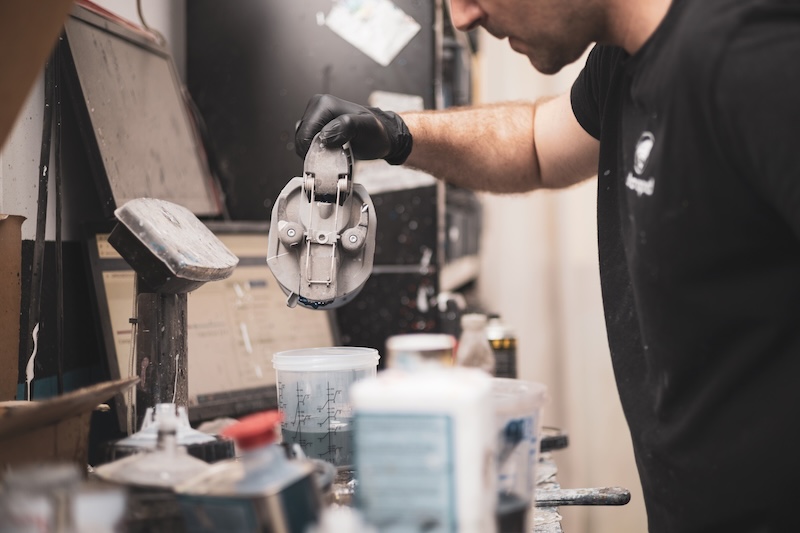 Customers occasionally wonder why a body shop paints more than just the damaged panel. The answer often comes down to creating the most seamless repair possible. Rather than stopping the new color abruptly at the edge of the repaired panel, technicians frequently blend the paint into adjacent panels. This gradual transition helps disguise even the slightest variations that might otherwise become noticeable where old paint meets new paint.
Depending on the repair, blending may involve:
- Adjacent fenders
- Front or rear doors
- Quarter panels
- Hood edges
- Roof rails
Although blending requires additional labor and materials, it often produces a much more natural-looking repair than painting a single panel by itself.
Lighting Changes Everything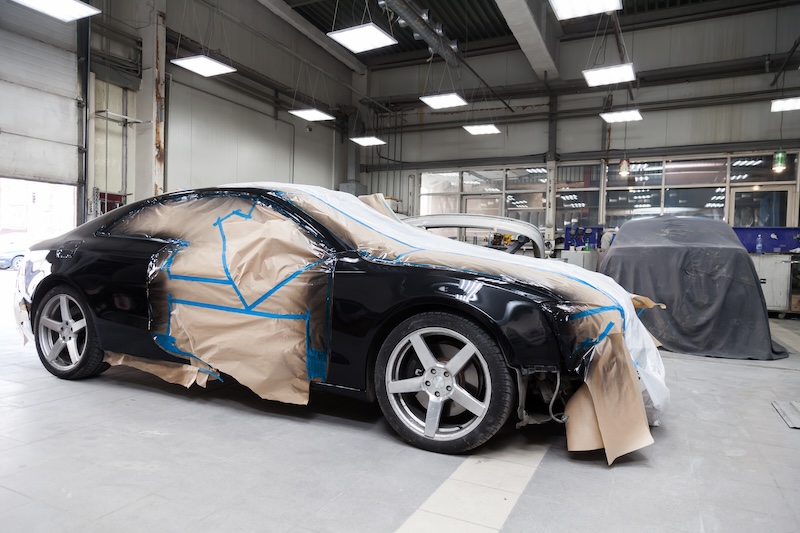
Have you ever noticed that your vehicle looks different in your garage than it does in a parking lot? That’s completely normal. Professional painters evaluate repairs under multiple lighting conditions because every light source changes how paint appears. Fluorescent lights, LED lighting, cloudy skies, bright afternoon sun, and evening light all reveal color differently.
For that reason, a panel that appears slightly different in one location may look virtually identical somewhere else. Experienced collision repair professionals inspect our work under several lighting conditions before considering a repair complete.
Fresh Paint Continues to Cure
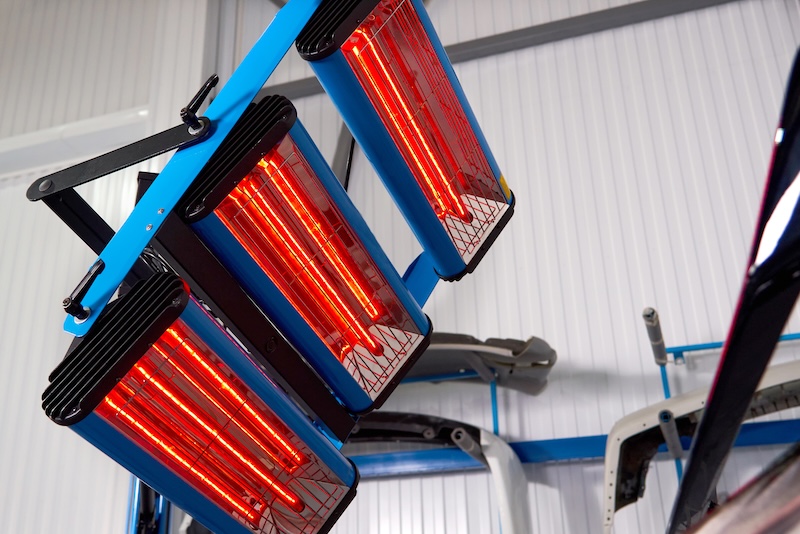 Many customers don’t realize that automotive paint continues curing even after the vehicle leaves the body shop. While the finish may feel dry, the chemical curing process continues beneath the surface for days or even weeks. During that time, the paint and clear coat gradually reach their full hardness and final appearance. As the finish cures completely, very subtle differences sometimes become even less noticeable.
That doesn’t mean customers should ignore significant color concerns. However, minor variations immediately after a repair may continue improving as the finish fully cures.
Experience Makes the Difference in a Paint Match
Modern collision repair combines science, technology, and craftsmanship. Computerized paint-mixing systems provide remarkable accuracy, but they cannot replace the experience of a skilled painter who understands how color, lighting, metallic orientation, and blending work together.
At DG Collision Center, our technicians take the time to evaluate every repair from multiple angles and under different lighting conditions before returning a vehicle to its owner. Our goal isn’t simply to repaint damaged panels—it’s to restore the vehicle’s appearance as naturally as possible so the repair becomes difficult (if not impossible) to detect.
A Great Paint Match Is About More Than Color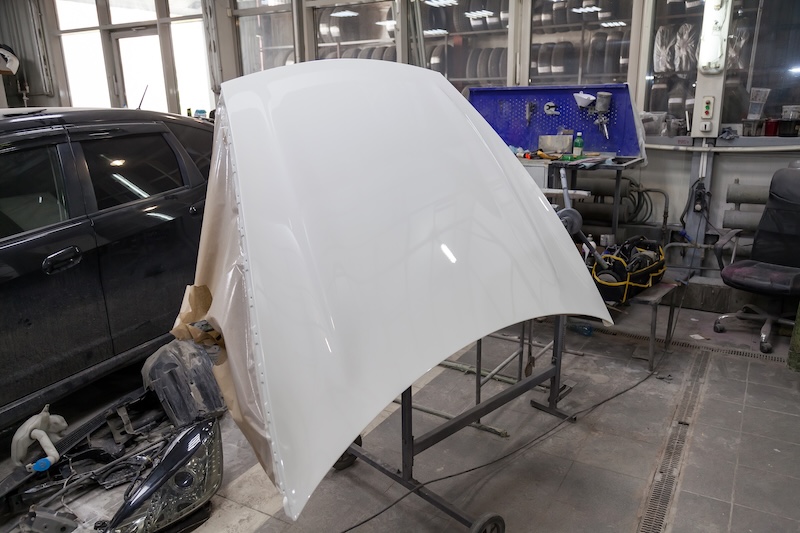
When customers think about collision repair, they often focus on whether the new paint “matches.” In reality, professional paint matching involves much more than selecting the correct formula. It requires careful preparation, proper application techniques, expert blending, controlled curing conditions, and experienced technicians who understand how today’s automotive finishes behave.
If you’ve recently had collision repairs completed and have questions about your vehicle’s finish, don’t hesitate to ask your repair facility. A reputable body shop should be happy to explain the repair process and why achieving a factory-quality finish requires both precision and patience.
About DG Collision Center in Covina, California
 DG Collision Center has proudly served Covina and the surrounding San Gabriel Valley since 1978, providing expert collision repair, structural repairs, paint refinishing, frame straightening, and manufacturer-recommended repair procedures for all vehicle makes and models. As an independent collision repair facility, DG Collision Center works for its customers—not insurance companies—and remains committed to honest communication, exceptional craftsmanship, and repairs that prioritize both safety and quality. From minor cosmetic damage to major collision repairs, the experienced team delivers personalized service and attention to detail that have earned the trust of Southern California drivers for more than four decades.