

How Deductibles Work in California Collision Repair
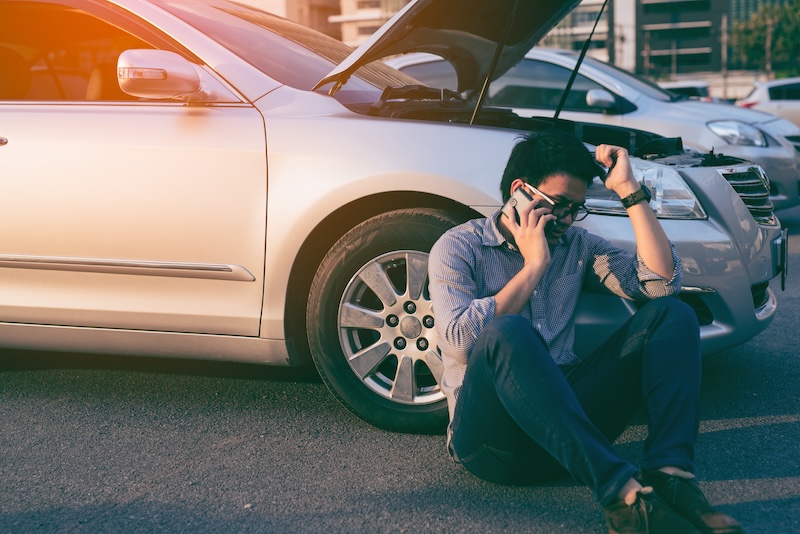
After a car accident, drivers often immediately start asking questions about insurance deductibles. Unfortunately, confusion surrounding deductibles often creates unnecessary stress during an already difficult situation. At DG Collision Center, we regularly ask us whether they must pay their deductible upfront, whether insurance waives deductibles after certain accidents, or whether repair shops can “cover” the deductible entirely.
Before we begin, we want to make something very clear: DG Collision Center does not provide legal or insurance advice. We are collision repair professionals, not licensed insurance professionals. The information below should only serve as general educational guidance regarding collision claims in California. Every insurance policy differs, and customers should always speak directly with their insurance carrier regarding specific coverage questions.
With that disclaimer out of the way, understanding how deductibles generally work can help drivers feel more prepared after an accident.
What Is an Insurance Deductible?
A deductible refers to the portion of a covered insurance claim the policyholder agrees to pay out of pocket before insurance contributes toward repairs.
For example, if a driver carries a $1,000 collision deductible and repair costs total $6,000, the insurance company would generally pay $5,000 while the customer remains responsible for the remaining $1,000.
Drivers typically select deductible amounts when purchasing insurance policies. Higher deductibles often reduce monthly premiums, while lower deductibles usually increase monthly insurance costs.
Collision Coverage Versus Liability Coverage
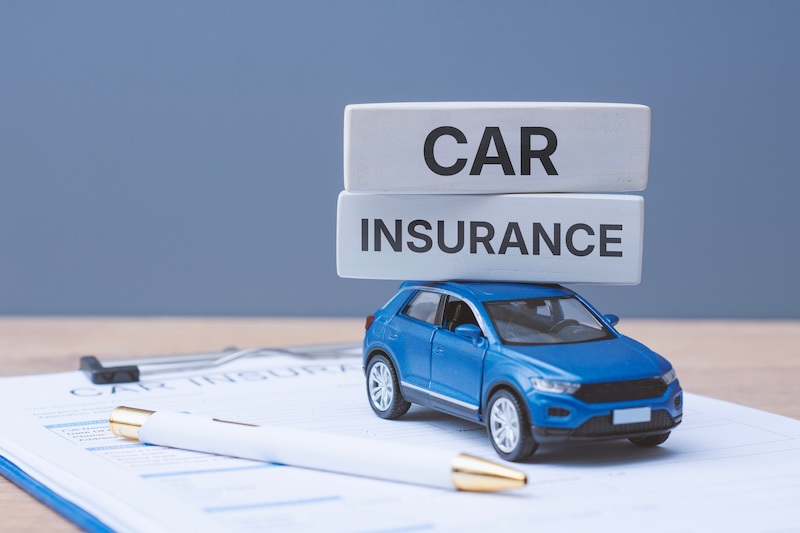
Many misunderstandings occur because drivers confuse collision coverage with liability coverage.
In California:
- Collision coverage typically pays for damage to your own vehicle after an accident, regardless of fault.
- Liability coverage generally pays for damage you cause to another person’s property or vehicle.
Deductibles usually apply to collision coverage claims involving your own vehicle. If another driver caused the accident and their insurance accepts liability, your deductible may not apply in the same way. However, claims rarely remain simple. Fault disputes, delayed investigations, policy limits, and uninsured drivers can complicate matters quickly.
Do You Always Have to Pay the Deductible?

Not necessarily. If another driver clearly caused the accident and their insurance company accepts responsibility immediately, the at-fault carrier may pay directly for repairs without involving your deductible.
However, many situations do not unfold that cleanly.
Sometimes:
- Fault investigations take time
- Liability remains disputed
- The other driver lacks insurance
- Coverage problems arise
- Insurance companies delay decisions
In those situations, drivers frequently choose to use their own collision coverage to begin repairs sooner. When that happens, the deductible generally applies initially. Later, if your insurance company successfully recovers payment from the at-fault driver’s carrier through subrogation, you may receive reimbursement for some or all of the deductible. However, timelines vary significantly.
Do Repair Shops “Waive” Deductibles?
This topic creates enormous confusion. California regulations surrounding deductibles and insurance billing can become complex. While advertisements sometimes promise “free deductibles” or “we pay your deductible,” drivers should approach those claims carefully. In many situations, legitimate collision repairs involve documented repair costs, insurance approvals, and proper billing procedures. Artificially manipulating repair invoices simply to offset deductibles may create legal or insurance complications.
At DG Collision Center, we focus on proper, safe, high-quality repairs rather than gimmicks or shortcuts.
When Do You Pay the Deductible?
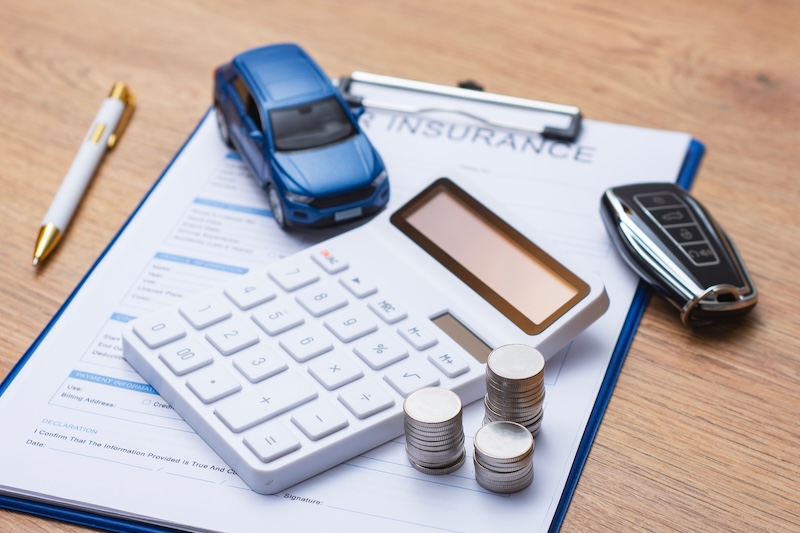
In many cases, customers pay the deductible when picking up the completed vehicle.
However, processes vary depending on:
- Insurance carrier procedures
- Total loss determinations
- Payment methods
- Claim handling
- Financing arrangements
- Supplemental repairs
Sometimes insurance sends payment directly to the repair facility. Other times payment goes to the customer. Every claim unfolds differently. This represents another reason why communication between the customer, insurance carrier, and repair facility matters so much during the repair process.
Deductibles and “Preferred Shops”
Many consumers do not realize they can choose their own repair facility in California. In fact, insurance companies sometimes recommend “preferred” or “direct repair” shops within their network. While many network shops perform quality work, consumers still maintain the legal right to select an independent collision repair center.
At DG Collision Center, we help customers understand repair documentation, estimate differences, supplemental repair needs, and OEM repair considerations after insurance inspections occur. Deductibles remain part of the insurance policy itself — not the repair shop relationship.
Why Low Estimates Sometimes Increase Later
Customers sometimes feel concerned when repair costs increase after teardown. However, technicians often discover additional hidden damage once they disassemble the impacted areas. Modern vehicles contain:
- Sensors
- Cameras
- Structural reinforcement systems
- ADAS safety technology
- Hidden mounting components
- Crush zones
A minor-looking accident can easily involve hidden structural or electronic damage underneath exterior panels. When additional damage appears, repair facilities submit supplemental estimates to the insurance carrier for approval. This does not usually change the deductible itself, but it may change total repair costs and claim handling.
Comprehensive Claims Work Differently

Drivers sometimes assume every claim involves a deductible. Comprehensive coverage claims often involve different rules than collision claims. Comprehensive coverage may apply to:
- Theft
- Vandalism
- Falling objects
- Hail damage
- Animal strikes
- Fire damage
Many policies carry separate deductibles for comprehensive and collision claims. Customers should review their specific policy details with their insurance provider.
Communication Matters After an Accident
One of the biggest mistakes drivers make after an accident involves relying solely on assumptions or internet rumors regarding insurance claims. But remember, every:
- Policy differs.
- Carrier handles claims differently.
- Accident presents unique circumstances.
Insurance agent reviewing car insurance documents and digital policy approval with client, supporting automotive coverage, financial protection, contract verification, and claim service.

- Read your policy carefully
- Ask questions directly to their insurer
- Document vehicle damage thoroughly
- Keep records of communications
- Choose a repair facility you trust
The collision repair process already creates enough stress without unnecessary confusion about deductibles and insurance procedures.
Independent Collision Repair Expertise Matters
At DG Collision Center, we believe customers deserve clear communication throughout the repair process. Our team works hard to explain repair procedures, document hidden damage properly, and coordinate professionally with insurance carriers whenever possible.
Most importantly, we focus on restoring vehicles correctly and safely.
Shortcuts during collision repairs can affect:
- Structural integrity
- Vehicle value
- Paint quality
- Safety system calibration
- Long-term reliability
That is why choosing the right repair facility matters far beyond the deductible itself.
About DG Collision Center, an Auto Body Shop in Covina, California
We would love to help restore your vehicle following a car accident or comprehensive damage. DG Collision Center in Covina, California is your one-stop-shop in Covina for auto body repair after car accidents. Our highly trained team includes specialized technicians. We work directly with all insurance companies. This enables our customers to file a claim without even needing to be present. We pride ourselves in providing excellent service at DG Collision Center in Covina, California.