

 Can a Minor Accident Affect My Backup Camera?
Drivers often walk away from a minor accident feeling relieved. Maybe someone bumped the rear bumper in a parking lot, clipped the corner of the vehicle while changing lanes, or backed into a pole at low speed. The damage appears cosmetic, the car still drives normally, and every warning light on the dashboard stays off. It’s easy to assume everything is fine. After all, if the backup camera is operational, isn’t the read portion of the car in good shape?
However, today’s vehicles are equipped with sophisticated safety technology hidden behind bumpers, mirrors, grilles, and liftgates. Even a relatively minor collision can affect systems like your backup camera, blind spot monitor, rear cross-traffic alert, or parking sensors without causing obvious mechanical problems. That’s why modern collision repair involves much more than fixing dents and matching paint. It requires knowledgeable technicians who understand how today’s safety systems work—and who take the time to explain everything to their customers.
Many Safety Systems, Including a Backup Camera, Are Hidden in Plain Sight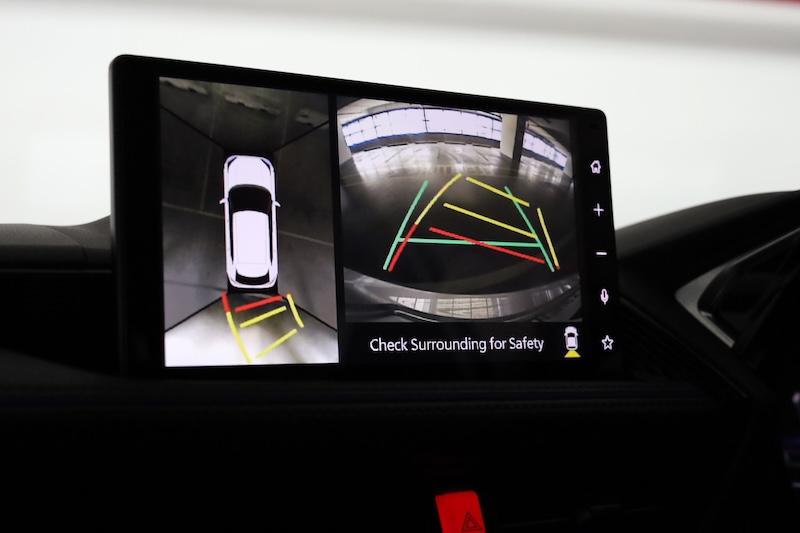
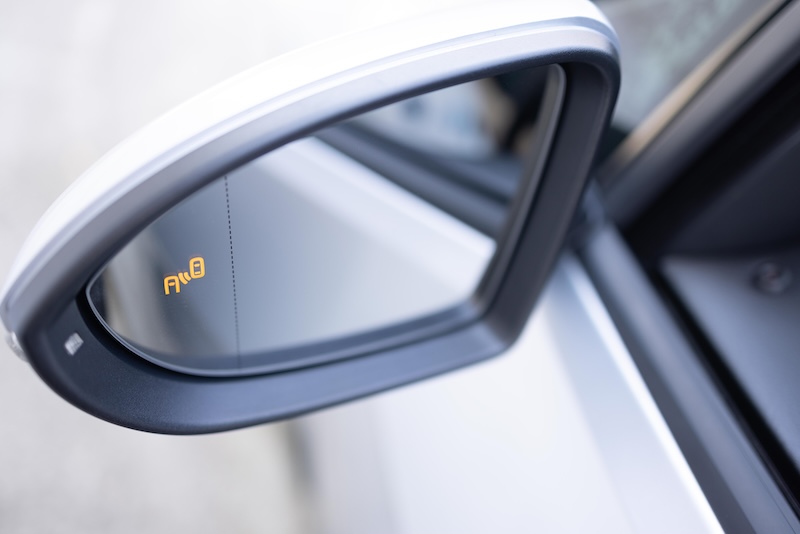 Years ago, a rear bumper was simply a piece of plastic or metal designed to absorb minor impacts. Today, that same bumper may house multiple sensors that constantly monitor the area around your vehicle.
Depending on the make and model, a seemingly simple collision can affect:
- Blind spot monitoring sensors
- Rear cross-traffic alert systems
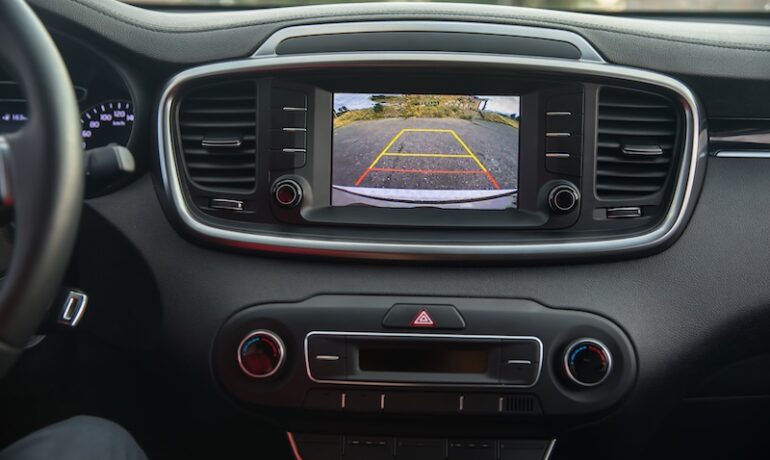
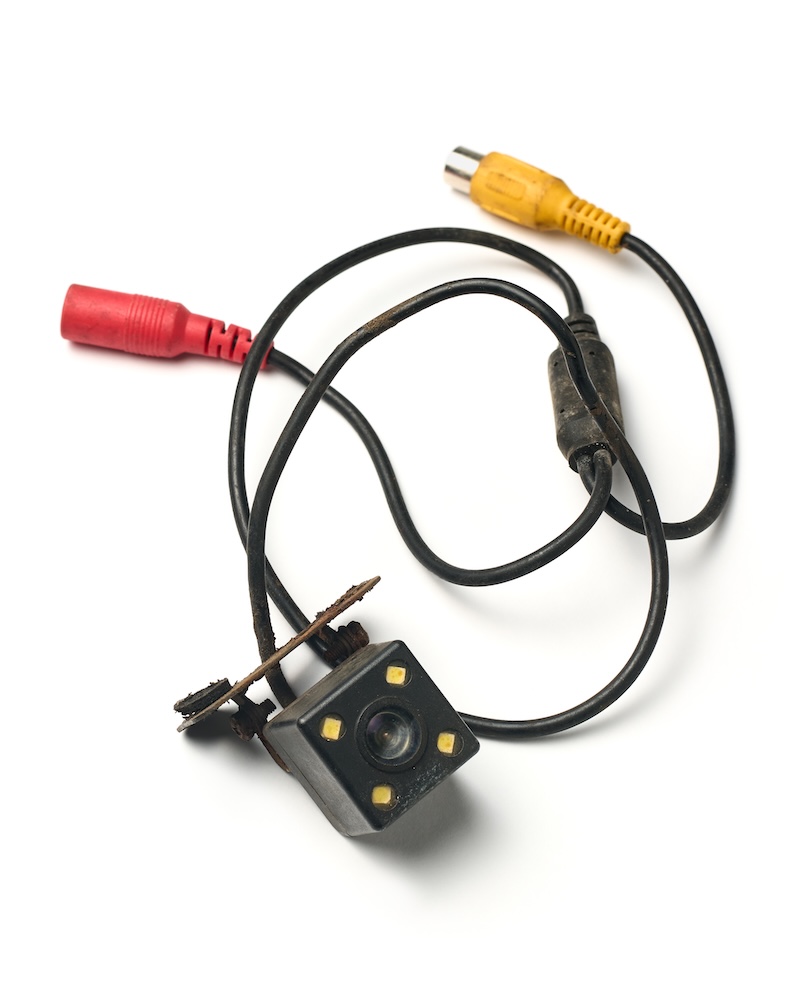
- Backup cameras
- Parking assist sensors
- Lane change assistance
- Forward-facing cameras
- Radar modules used by driver assistance systems
Because these components are often hidden behind exterior panels, damage isn’t always visible from the outside. For example, a bumper may only have a small crack or scrape, while a sensor mounting bracket behind it has shifted just enough to interfere with proper operation.
Everything Can Look Normal—and Still Be Wrong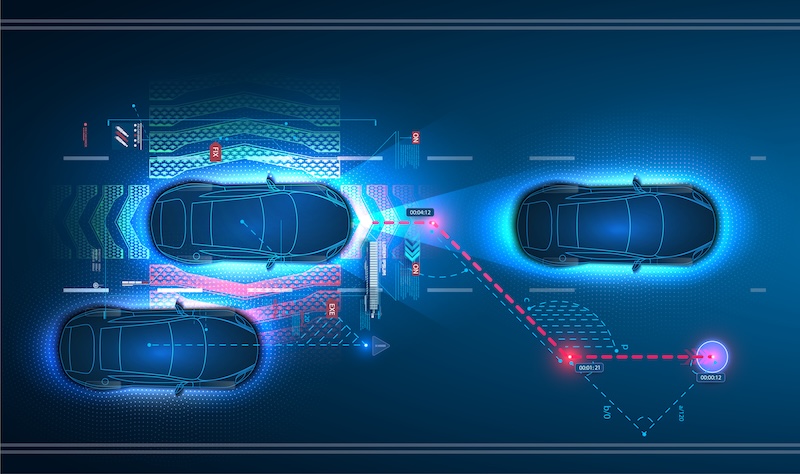
One of the biggest misconceptions about Advanced Driver Assistance Systems (ADAS) is that they’ll immediately display a warning message if something isn’t working correctly. Sometimes they do. Sometimes they don’t. A camera can be slightly out of alignment. A radar sensor can shift by just a few millimeters. A mounting bracket can become distorted during impact. Any of those conditions may reduce the system’s accuracy even though the vehicle appears perfectly normal during everyday driving.
One reason collision repair has changed so dramatically over the past several years is automation. Precision matters more than ever.
Why Proper Inspection Matters
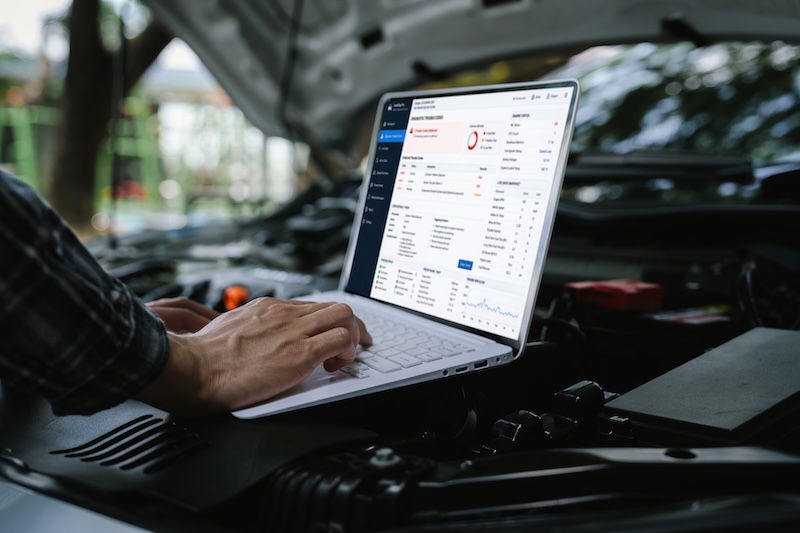
At DG Collision Center, repairs begin with understanding what actually happened—not simply repairing what can be seen. Experienced technicians know where hidden damage commonly occurs and understand that cosmetic damage doesn’t always tell the entire story. We carefully inspect the affected area, evaluate nearby safety components, and determine whether manufacturer-recommended diagnostic procedures or calibrations may be necessary. This attention to detail helps customers avoid unpleasant surprises later while providing confidence that the vehicle is being repaired correctly the first time.
Technology Requires Ongoing Training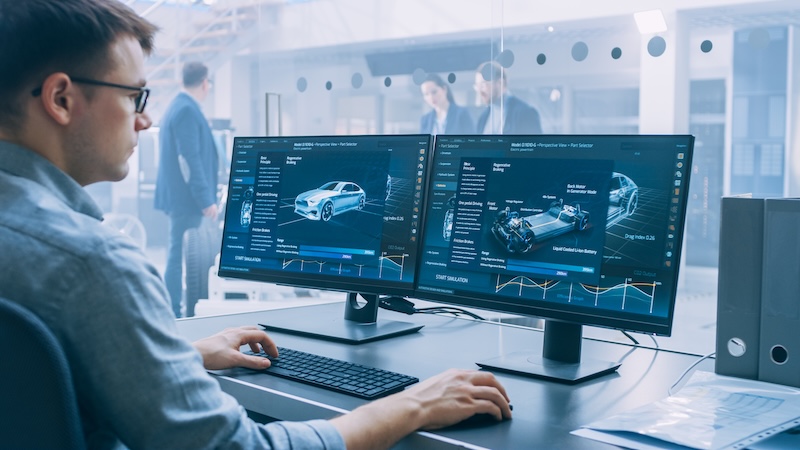
Vehicle technology evolves every year. Manufacturers continue adding new sensors, cameras, and driver assistance features designed to make driving safer. Keeping up with those changes requires continuous education. That’s why ongoing training is such an important part of professional collision repair. Technicians must understand not only how to repair body damage, but also how various safety systems interact and what manufacturers require after different types of collisions.
That knowledge allows repairs to go far beyond making a vehicle look good again. The goal is restoring both appearance and functionality according to current repair standards.
Communication Is Just as Important as the Repair
 For many customers, the most stressful part of an accident isn’t the damage itself. It’s not knowing what’s happening.
Questions begin almost immediately.
“Why does my estimate look different than I expected?”
“Will my blind spot monitor still work?”
“Why does the repair take longer than replacing a bumper?”
“What exactly is a calibration?”
At DG Collision Center, we welcome those questions.
Our team believes customers deserve clear, straightforward explanations throughout the repair process. Rather than using confusing technical terminology, we take time to explain the damage, discuss repair recommendations, answer questions, and keep customers informed as work progresses. That commitment to communication is one reason so many customers recommend DG Collision Center to family members and friends after their repairs are complete.
Small Details Make a Big Difference
Modern collision repair often comes down to details most drivers never see. A sensor positioned slightly out of place. A camera requiring recalibration. A damaged mounting bracket hidden behind the bumper cover. An OEM repair procedure specifying exactly how components should be reinstalled. Individually, each detail may seem minor. Together, they help determine whether your vehicle’s safety technology performs as intended. That’s why experienced technicians never judge a repair solely by the visible damage.
Choosing a Collision Center You Can Trust
When selecting a collision repair facility, most people naturally look at price, insurance participation, or location. Those factors certainly matter. However, they shouldn’t be the only considerations. Look for a shop that invests in technician education, understands today’s vehicle technology, follows manufacturer repair procedures, and communicates openly throughout the repair process. Most importantly, choose a team that treats customers with the same care they give every vehicle they repair.
At DG Collision Center, technical expertise and exceptional customer service go hand in hand. Every repair represents an opportunity to earn a customer’s trust—not just for this repair, but for years to come.
 Frequently Asked Questions
Can a small accident affect my backup camera?
Yes. Even a low-speed impact can damage the camera itself, shift its mounting position, or affect surrounding components that influence its performance.
Can my blind spot monitor stop working after a minor collision?
It can. Sensors located behind bumpers or quarter panels may become damaged or misaligned even when exterior damage appears minor.
Will my dashboard always display a warning if a sensor is damaged?
Not always. Some systems may continue operating with reduced accuracy or require specialized diagnostics to identify hidden problems.
Why do collision shops recommend calibrations?
Many manufacturers require calibrations after certain repairs or impacts to verify cameras and sensors continue operating within factory specifications.
About DG Collision Center in Covina, California
For more than 30 years, DG Collision Center has provided expert collision repair throughout Covina and the surrounding San Gabriel Valley. The team combines advanced repair knowledge, ongoing technician training, and meticulous attention to detail with the kind of personal customer service that turns first-time visitors into lifelong clients. From minor dents to major collision repairs, DG Collision Center believes every customer deserves honest communication, quality craftsmanship, and the confidence that their vehicle has been repaired the right way.