
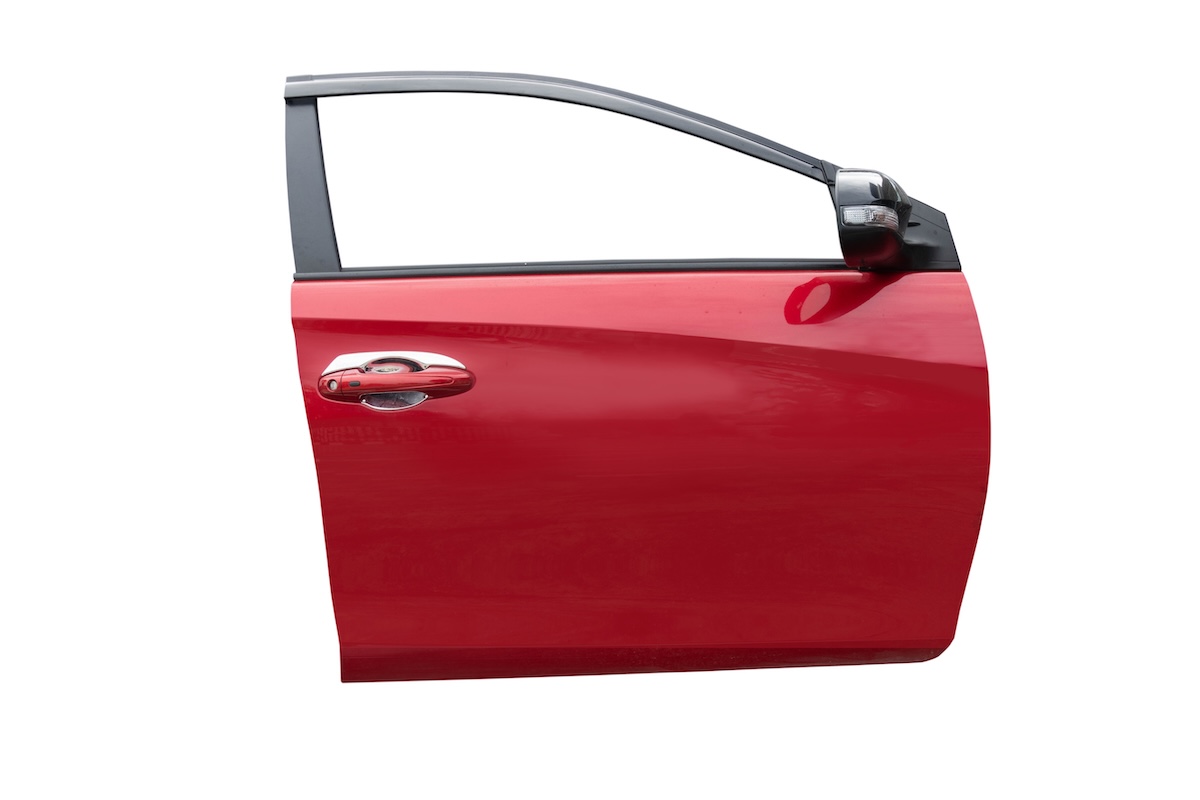
Car Door Closing
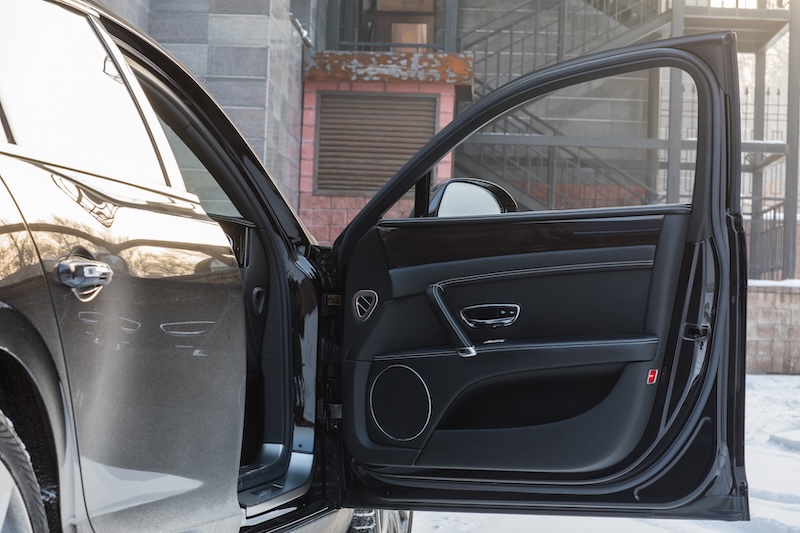
After a car accident, you might notice something unusual when closing your door. Perhaps it requires more force than before, makes a different sound, or doesn’t seem to line up correctly. Although the door may look fine, these changes could indicate hidden collision damage.
At DG Collision Center in Covina, California, we encourage drivers to pay attention to changes in how their vehicles operate. A door that suddenly becomes difficult to close isn’t necessarily a minor inconvenience. In some cases, it can indicate damage to the hinges, latch, or surrounding vehicle structure.
Understanding what causes these problems can help you recognize when professional collision repair is necessary.
Why Would a Car Door Fail to Close Properly After an Accident?
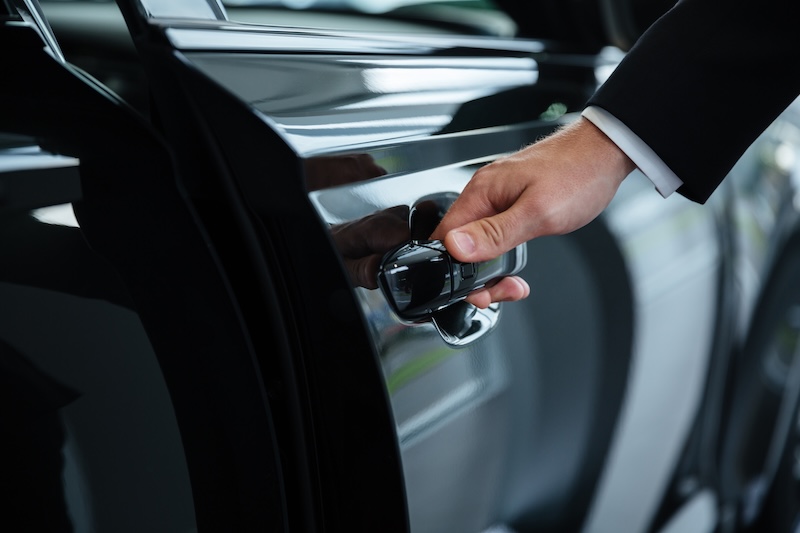
Car doors depend on several components working together. Hinges support the door’s weight, while the latch and striker secure it when closed. Meanwhile, the surrounding body structure keeps everything properly aligned. During a collision, even a relatively minor impact can shift these components. As a result, the door may no longer fit correctly within its opening.
Common symptoms include:
- A door that requires extra force to close.
- A clicking, popping, or scraping sound.
- Uneven gaps around the door.
- A door that appears to sag when opened.
- Difficulty opening the door from inside or outside.
- A latch that doesn’t engage consistently.
Although these symptoms may seem minor, they deserve attention. The problem could involve more than a simple adjustment.
Damaged Door Hinges Can Affect Alignment
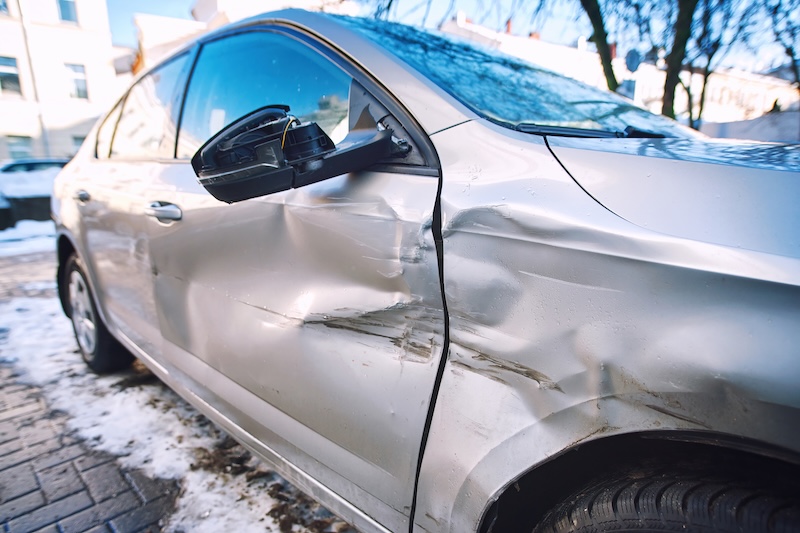
Your car’s door hinges carry considerable weight. They also allow the door to open and close smoothly while maintaining its position. However, a collision can bend a hinge, damage its mounting points, or shift the surrounding metal. Even a small change may affect how the door moves. For example, you might notice that the door drops slightly when opened. Alternatively, it may rub against the body when closing. In some cases, the hinges themselves remain intact while their mounting locations become distorted.
That’s why replacing or adjusting a hinge doesn’t always solve the problem. A collision repair technician must determine whether the damage extends into the surrounding structure.
What Happens When the Door Striker Moves?
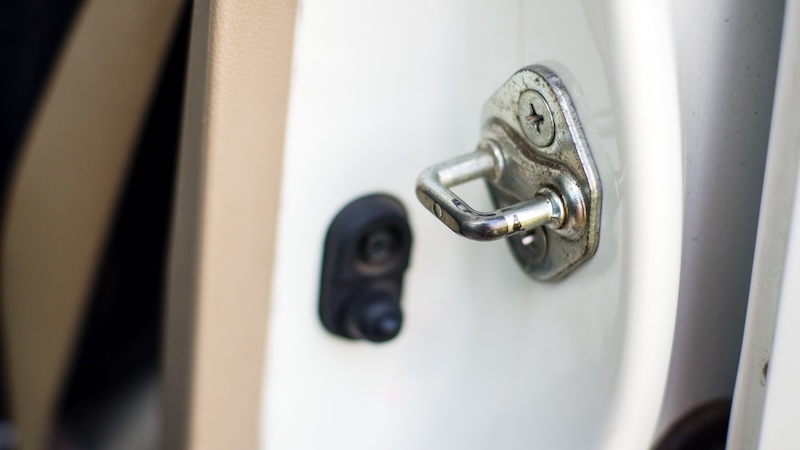
The striker is the metal component that the door latch engages when you close the door. It helps hold the door securely in place. When a vehicle experiences an impact, the striker or its mounting area may shift. Consequently, the latch may struggle to engage correctly.
You might find yourself closing the door repeatedly or pushing harder than usual. Although adjusting the striker can sometimes restore proper operation, technicians must first determine why the alignment changed. If the surrounding metal has moved, repositioning the striker alone may conceal a larger issue. Furthermore, an improperly aligned latch could affect how securely the door closes.
A professional inspection helps identify the actual source of the problem.
Could Hidden Structural Damage Be Responsible?
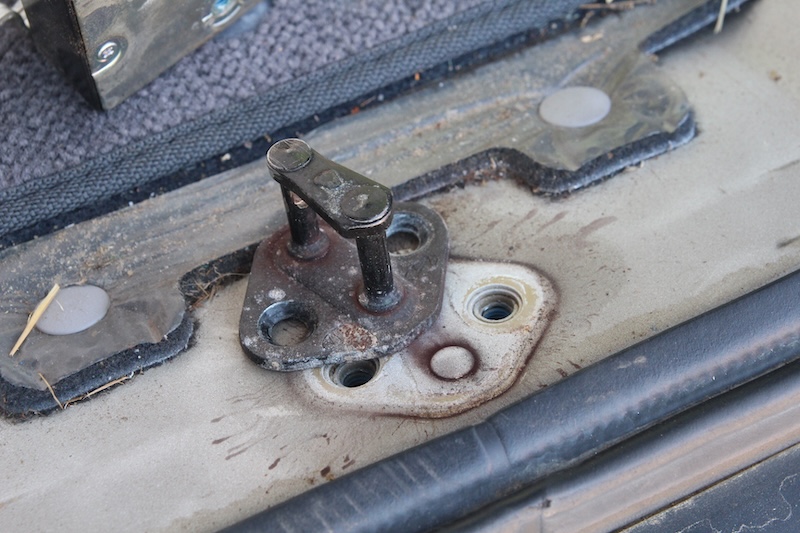
One of the most important considerations involves the vehicle’s door opening. Modern vehicles use carefully engineered structural components to maintain strength and support occupants during a collision. These include the pillars, rocker panels, and surrounding body structure. During an impact, force can travel beyond the visibly damaged area. Therefore, a collision affecting one section of the vehicle may also distort the door opening. For example, damage to the rocker panel or center pillar could change the shape of the opening. The door may still close, but it might require additional force.
Other warning signs can include uneven panel gaps, unusual wind noise, or difficulty opening nearby doors. Restoring proper alignment involves more than improving appearance. The vehicle’s structure and door components must work together as designed.
Why Simply Adjusting the Door Latch May Not Fix the Problem
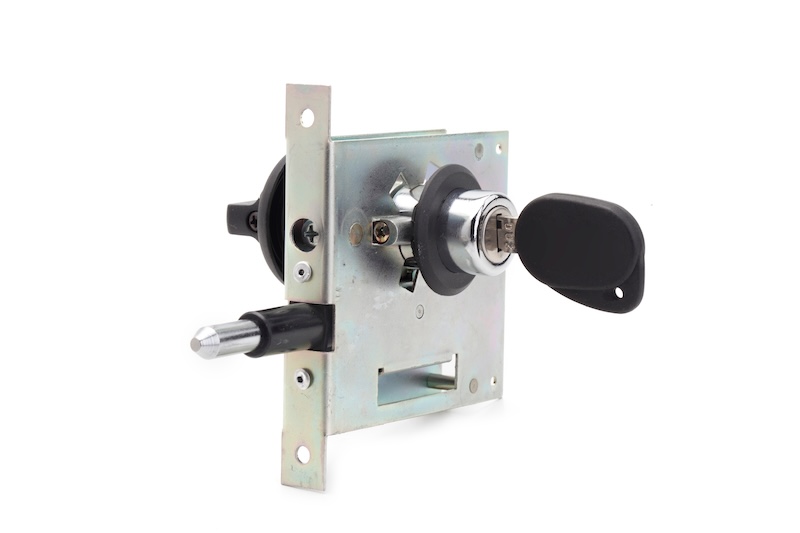
When a door becomes difficult to close, adjusting the latch might seem like the easiest solution. However, the latch may not be the source of the problem. Imagine a door opening that has shifted slightly during a collision. Moving the striker might allow the door to close more easily. Unfortunately, the underlying distortion could remain. This approach may also create other problems, including uneven gaps or excessive pressure on the door seals. More importantly, the repair may not restore the vehicle to its intended specifications.
Proper collision repair begins with identifying why the components no longer align. Once technicians understand the cause, they can determine which repairs are necessary.
Can a Misaligned Car Door Affect Safety?
A properly functioning door contributes to vehicle security, occupant protection, and everyday convenience. If the latch doesn’t engage correctly, the door may not remain securely closed. Additionally, damage to surrounding structural components could affect the vehicle’s intended crash performance.
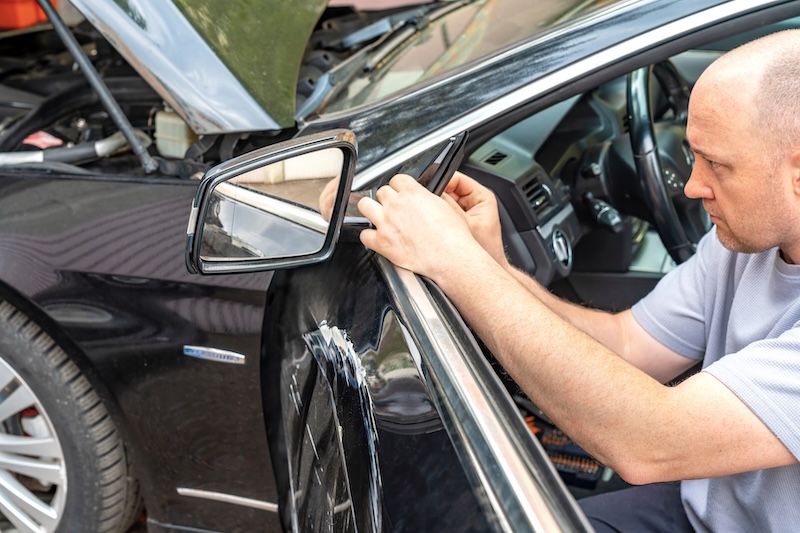
Modern vehicles also contain important safety features within their doors and surrounding structures. Depending on the model, these may include side-impact sensors, wiring, and airbag-related components. Not every difficult-to-close door indicates a serious safety problem. Nevertheless, a sudden change following an accident warrants professional evaluation.
If your door won’t latch securely, avoid driving the vehicle until a qualified professional has assessed the problem.
What Does a Collision Repair Shop Inspect?
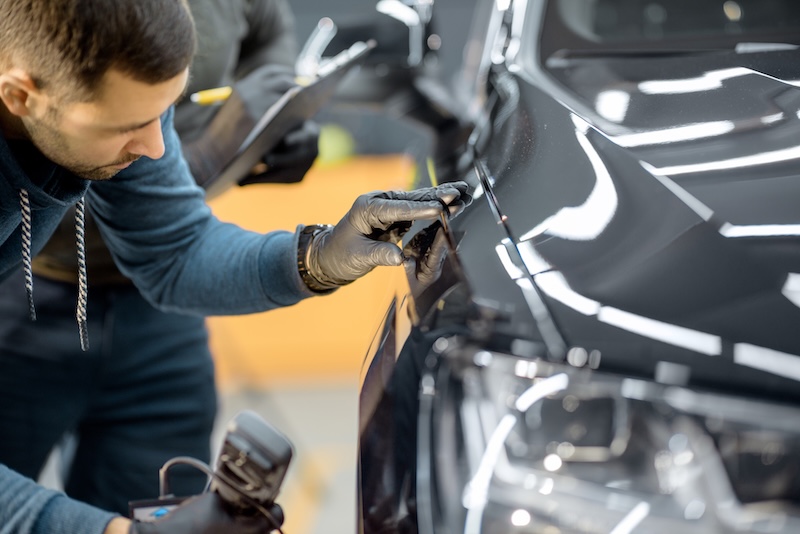
When a customer reports difficulty closing a door after an accident, technicians should look beyond the latch itself.
Depending on the vehicle and damage, an inspection may include:
- Checking the hinges and mounting points.
- Examining the latch and striker alignment.
- Measuring gaps around the door.
- Inspecting the rocker panel and nearby pillars.
- Looking for deformation around the door opening.
- Checking weather seals and related components.
- Evaluating whether additional structural measurements are necessary.
The findings help determine whether the vehicle needs a straightforward component repair or more extensive collision work. At DG Collision Center, our goal is to identify the damage and explain the recommended repairs before work begins.
Don’t Ignore Changes in How Your Car Door Closes
After an accident, it’s natural to focus on dents, scratches, and other visible damage. However, changes in how your vehicle operates can provide important clues. A door that sticks, sags, rattles, or requires extra force may indicate misalignment or hidden damage.
Even if the vehicle remains drivable, the problem deserves attention. Waiting could allow additional wear on hinges, latches, or surrounding components. For drivers in Covina and the San Gabriel Valley, professional collision repair can help identify the cause and determine the appropriate solution.
If your car door doesn’t close the way it did before an accident, contact DG Collision Center. Our team can inspect the damage, explain your options, and help restore your vehicle’s proper operation.
About DG Collision Center, an Auto Body Shop in Covina, California
We would love to help restore your vehicle following a car accident or comprehensive damage. DG Collision Center in Covina, California is your one-stop-shop in Covina for auto body repair after car accidents. Our highly trained team includes specialized technicians. We work directly with all insurance companies. This enables our customers to file a claim without even needing to be present. We pride ourselves in providing excellent service at DG Collision Center in Covina, California.