

 Your Insurance Company Has a Claims Representative. Who Is Advocating for You?
After a car accident, several people converge to make decisions about your vehicle. An insurance claims representative evaluates the claim. An adjuster may inspect the damage. A repair facility determines what the vehicle needs. Meanwhile, you are trying to understand what happened, arrange transportation, manage paperwork, and figure out when you will have your car back. It can feel like everyone understands the collision repair process except the person who actually owns the vehicle.
That is one reason choosing the right auto body shop matters. Your insurance company has professionals handling its responsibilities throughout the claim, while you need an experienced repair team focused on your vehicle and your interests. As an independent collision repair facility, DG Collision Center in Covina works with insurance companies without participating in a Direct Repair Program (DRP) relationship that could divide its priorities. DG’s customer is the vehicle owner. And our team concentrates on evaluating the damage, developing an appropriate repair plan, communicating with the insurer, as well as keeping the customer informed along the way.
 Different Participants Have Different Responsibilities: Your Advocate
Insurance companies play an important role after an accident. They investigate claims, determine coverage under the applicable policy, evaluate estimates and documentation, and issue payments for covered repairs. Collision repair facilities have a different responsibility. A qualified auto body shop evaluates the physical damage to the vehicle and determines what procedures, parts, equipment, and operations the repair requires. Technicians must consider not only what they can see from the outside but also damage that may become apparent after disassembly.
Those roles frequently overlap during a claim, which makes cooperation and communication important. We work directly with insurance companies every day. However, because we operate independently, we do not have a DRP relationship with an insurance carrier influencing our role in the process. Our focus remains on the customer and properly repairing your vehicle.
You Have the Right to Choose Your Repair Facility & Advocate
 California drivers have the right to choose where they take their vehicles for collision repairs. An insurance company may recommend repair facilities or provide information about shops within its network, but the vehicle owner can select the collision center they trust. That choice matters because collision repair involves much more than restoring a vehicle’s appearance. Modern cars incorporate sophisticated structural designs, advanced materials, electronics, cameras, radar systems, sensors, and Advanced Driver Assistance Systems (ADAS). Repairing them properly requires trained technicians, appropriate equipment, careful planning, and attention to manufacturer procedures when applicable.
Choosing your own repair facility also allows you to decide who you want helping you through the repair process. DG’s independence allows its team to work with the insurer while keeping its attention on the vehicle owner rather than prioritizing an ongoing DRP relationship with the insurance company.
When the Initial Estimate Doesn’t Tell the Whole Story: We Advocate For You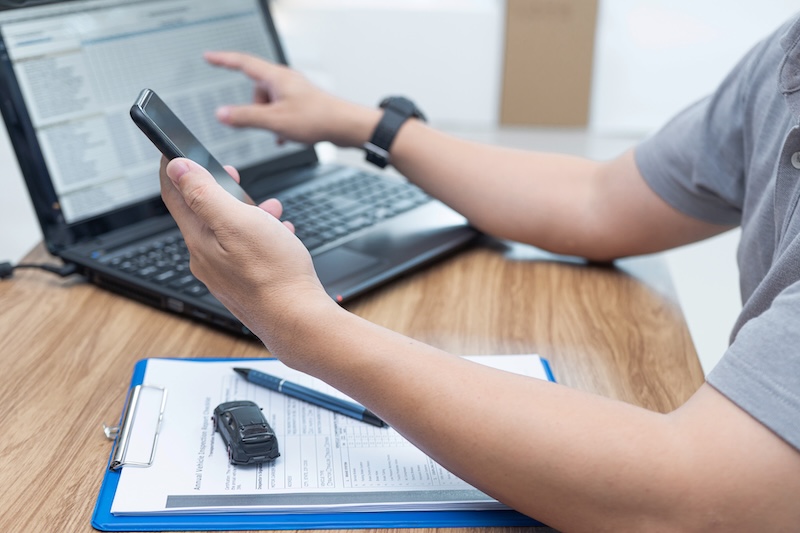
An initial insurance estimate often represents the beginning of the repair process rather than the final word on everything a damaged vehicle may need. A bumper cover, for example, can conceal damaged brackets, reinforcement components, sensors, or other parts. Technicians may not discover the full extent of collision damage until they begin disassembly and inspection.
As a result, an insurer’s initial estimate and the collision center’s eventual repair plan may differ. That does not automatically mean someone made a mistake. Instead, additional information becomes available as technicians gain access to areas they could not thoroughly inspect beforehand.
When we identify additional accident-related damage or necessary repair procedures, we document those findings and communicate with the insurance company through the supplemental claim process. The customer does not have to become the technical go-between trying to explain collision repair procedures to an adjuster.
Here, our independent status matters again. Our team can focus on documenting what we determine the vehicle requires while continuing to work professionally with the insurance carrier responsible for handling the claim.
 Expertise Gives Customers a Knowledgeable Voice
Today’s collision repair process has become increasingly technical. Restoring a damaged vehicle may require far more than straightening metal, replacing a bumper, and matching paint. Depending on the vehicle and collision, technicians may need to evaluate structural damage, identify appropriate repair procedures, work with specialized materials, address electronic systems, or determine whether ADAS components require calibration. Those decisions require knowledge that the average vehicle owner understandably does not have. That expertise gives customers someone knowledgeable on their side of the repair process. Our technicians can evaluate the vehicle and explain what they find, while we communicate necessary repair information to the insurer.
The goal does not involve creating a battle between the shop and insurance company. Instead, it gives everyone involved the information needed to fulfill their respective roles while we remain focused on the customer and the vehicle.
Customer Service Is Part of Advocacy
Advocating for a customer involves more than discussing repair procedures with an insurance company. It also means helping the vehicle owner understand what is happening. After an accident, uncertainty creates much of the frustration. Customers want to know what technicians found, what happens next, whether insurance has the necessary documentation, and how the repair is progressing. You should not need collision-industry experience simply to understand what is happening to their own vehicle. We place a strong emphasis on communication throughout the repair process. What’s more, we work directly with insurance companies while helping customers understand the steps involved in restoring their vehicles. When questions arise, customers have an experienced repair professional they can turn to rather than trying to navigate every issue themselves.
That combination of technical expertise, independence, and personal service helps make an already stressful experience easier to manage.
 What Should You Look for in a Collision Center?
You do not need to become an auto body expert before choosing a repair facility. Instead, look for a shop willing to explain its approach and answer your questions.
Before authorizing repairs, consider asking:
- How will you determine the full extent of the collision damage?
- Will you communicate directly with my insurance company?
- What happens if you find additional damage during repairs?
- How will you keep me informed about my vehicle?
- Do you have technicians and equipment appropriate for modern vehicle repairs?
- How do you determine which repair procedures my vehicle requires?
Pay attention not only to the answers but also to how the shop treats your questions. Expertise matters, but so does having a team willing to communicate clearly and prioritize you rather than your insurance company!
About DG Collision Center in Covina, California
For more than 30 years, DG Collision Center has provided expert collision repair throughout Covina and the surrounding San Gabriel Valley. The team combines advanced repair knowledge, ongoing technician training, and meticulous attention to detail with the kind of personal customer service that turns first-time visitors into lifelong clients. From minor dents to major collision repairs, DG Collision Center believes every customer deserves honest communication, quality craftsmanship, and the confidence that their vehicle has been repaired the right way.