

 What Happens If You’re Involved in School Zone Accidents?
As summer winds down, families throughout Covina and the rests of the San Gabriel Valley are getting ready to begin a new school year. School buses are returning to the roads, crossing guards prepare to take up their positions, parents are adjusting to busy morning drop-off routines and afternoon pickup lines. While this season brings excitement for students, it also creates some of the busiest traffic conditions of the year.
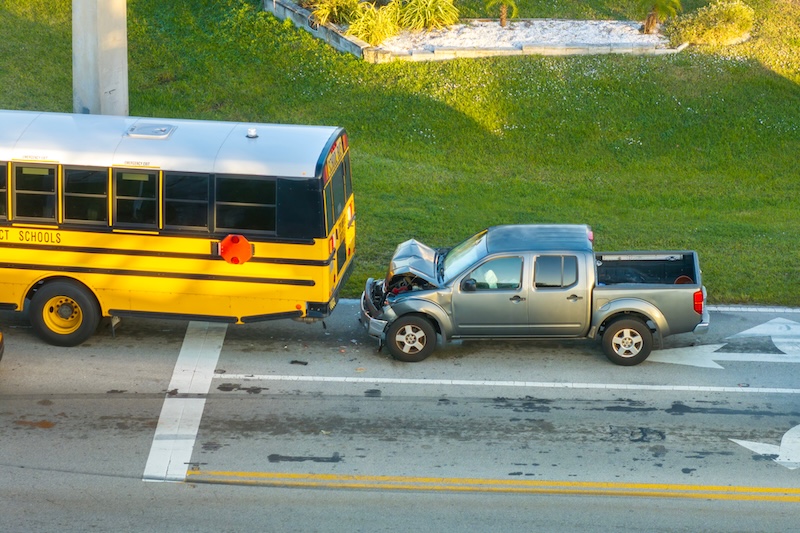
Unfortunately, the increase in vehicles, pedestrians, bicyclists, and distracted drivers also means school zones experience more accidents during the first several weeks of school. Fortunately, many of these collisions occur at relatively low speeds. Even so, a seemingly minor accident can still result in hidden vehicle damage, unexpected repair costs, and plenty of questions about what to do next.
If you’re involved in a collision near a school in Covina or anywhere else in the San Gabriel Valley, knowing what to expect can make the situation much less stressful. Just as importantly, choosing the right collision repair facility can make all the difference in how smoothly the entire process unfolds.
Your First Priority Is Safety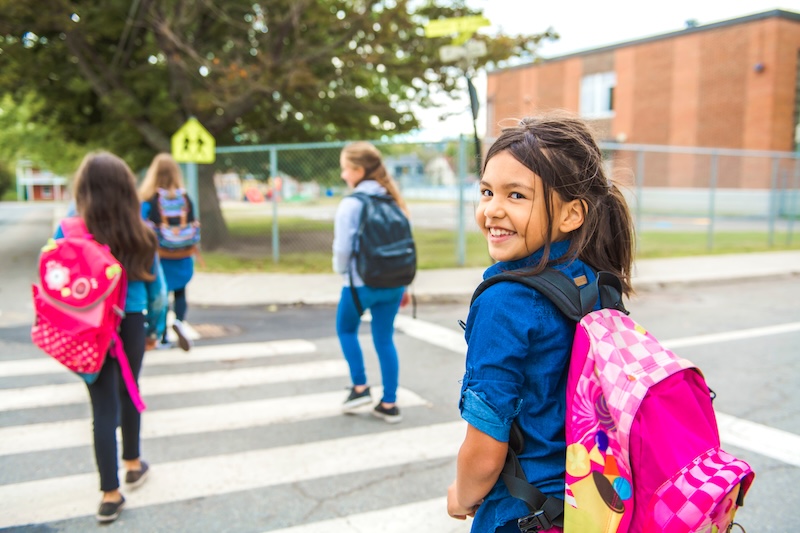
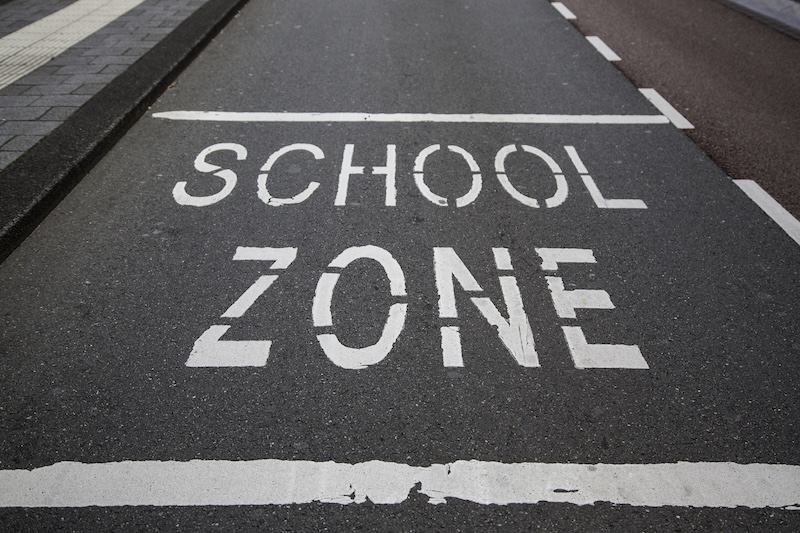
School zones are unlike most other roadways because so many people are moving in different directions at once. Children may step into crosswalks unexpectedly, parents may stop suddenly, buses frequently load and unload passengers, and traffic often comes to a complete standstill without much warning. If you’re involved in an accident, your first responsibility is to make sure everyone is safe.
Whenever possible:
- Move your vehicle out of traffic if it is safe to do so.
- Check for injuries.
- Contact local law enforcement, if appropriate.
- Exchange information with the other driver.
- Take photographs of the vehicles, roadway, and surrounding conditions.
- Document any witnesses who may have seen the accident.
- Contact DG Collision Center.
Even if the collision appears minor, having good documentation can make the insurance process much easier later.
 Don’t Assume Minor Damage Means Minor Repairs
One of the biggest misconceptions about low-speed accidents is that they only damage bumpers. Today’s vehicles are far more sophisticated than they were just a decade ago. Behind many bumpers are sensors, cameras, mounting brackets, energy absorbers, and radar equipment that support important safety features.
Even a slow-speed impact in a crowded school parking lot may affect:
- Blind Spot Monitoring
- Adaptive Cruise Control
- Parking Assist
- Rear Cross Traffic Alert
- Forward Collision Warning
- Automatic Emergency Braking
While the bumper cover may show only a small crack or scratch, hidden damage underneath could affect how these systems operate. That’s why a professional inspection is always recommended after an accident, regardless of how minor it may seem.
The Insurance Process for School Zone Accidents Doesn’t Have to Be Overwhelming
For many drivers, dealing with insurance is more stressful than the accident itself. Questions begin almost immediately.
Should you contact your insurance company first?
Can you choose your own repair shop?
Will hidden damage increase the estimate?
How long will repairs take?
The good news is that you don’t have to navigate those questions alone. An experienced collision repair facility works with insurance companies every day and understands how to document repairs, communicate supplemental damage, and keep the repair process moving forward.
Having knowledgeable professionals advocating for your vehicle can eliminate much of the uncertainty that follows an accident.
 Why Communication Matters Throughout School Zone Accidents and Repairs
After an accident, most customers aren’t just worried about their vehicle. They’re also wondering what’s happening while it’s being repaired.
Has the insurance company approved everything?
Have replacement parts arrived?
When will repairs begin?
Will the completion date change?
Unfortunately, not every repair facility keeps customers informed throughout the process.
At DG Collision Center, communication is one of the company’s greatest strengths. Their team believes customers deserve regular updates, honest answers, and realistic expectations from the moment the vehicle arrives until the keys are handed back. Instead of wondering where things stand, customers know they have a team that is available to answer questions, explain each step of the repair, and provide updates whenever significant progress is made. This commitment to customer service has earned DG Collision Center the trust of drivers throughout the San Gabriel Valley and Los Angeles Basin.
Modern Collision Repair Requires Modern Technology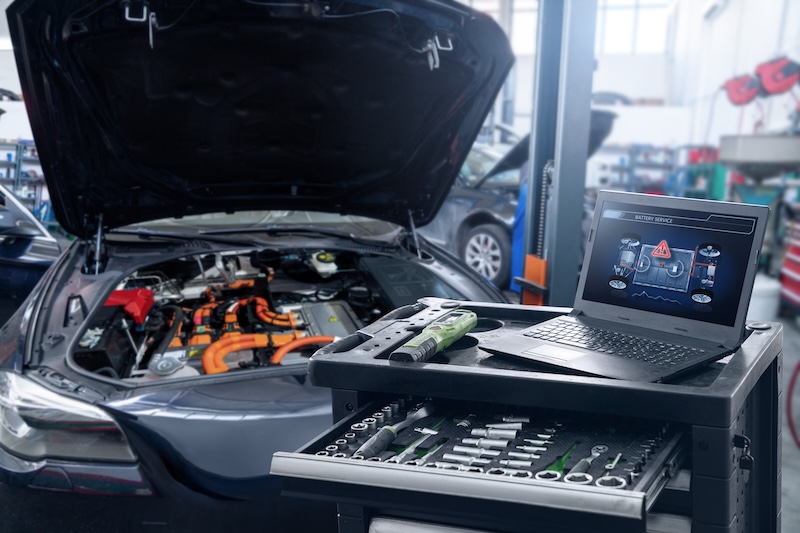
Repairing today’s vehicles involves much more than replacing damaged body panels and matching paint colors.
Modern collision repairs often require:
- Computerized diagnostics
- OEM repair procedures
- Structural measuring systems
- Advanced welding techniques
- ADAS calibrations
- Quality control inspections
- Post-repair scanning
These procedures help restore your vehicle as closely as possible to manufacturer specifications while ensuring important safety systems continue functioning properly. An experienced repair facility such as DG Collision Center understands that every step contributes to both vehicle performance and occupant safety.
 Hidden Damage Can Delay School Zone Accidents & Repairs
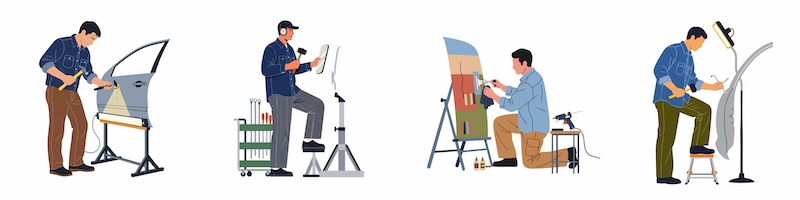
One reason repair timelines sometimes change is that additional damage may not become visible until technicians begin disassembling the vehicle.
For example, removing a damaged bumper may reveal:
- Bent reinforcement bars
- Damaged brackets
- Cracked sensor mounts
- Structural movement
- Wiring damage
When this occurs, technicians document the additional repairs and submit what’s known as a supplement to the insurance company for approval. Although supplements sometimes extend repair timelines, they also help ensure every damaged component is identified and repaired correctly rather than allowing hidden problems to remain.
Choosing the Right Collision Repair Shop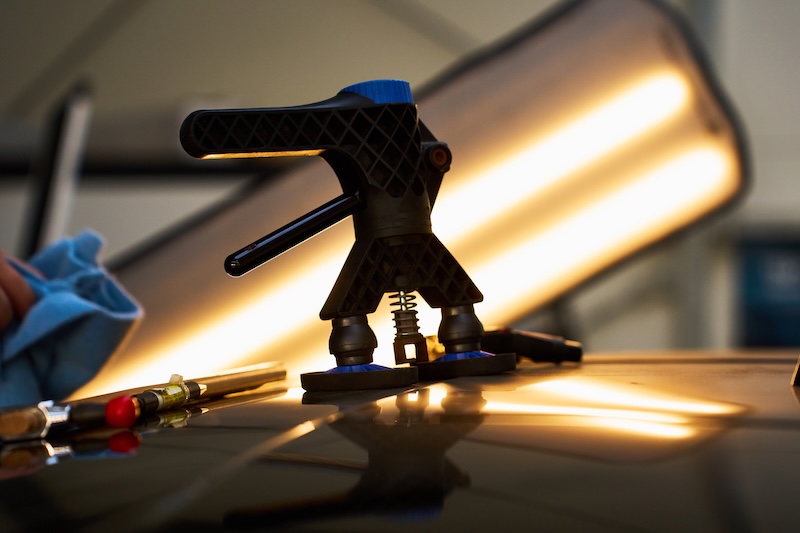
When selecting a collision repair facility after a school zone accident, look beyond the estimate alone.
Consider whether the shop:
- Follows OEM repair procedures.
- Invests in modern repair equipment.
- Performs required ADAS calibrations.
- Communicates clearly throughout the repair.
- Has experienced technicians.
- Treats customers with honesty and respect.
These qualities often have a much greater impact on your experience than simply comparing prices.
 Returning to the Road With Confidence
School zone accidents can happen to even the most careful drivers. Busy intersections, distracted traffic, and constant stop-and-go conditions create situations where even minor mistakes lead to collisions. Fortunately, the repair process doesn’t have to add even more stress.
When you choose a collision repair facility that combines advanced repair technology with exceptional customer service, you gain more than expert repairs—you gain peace of mind. At DG Collision Center, every vehicle is treated with the same care and attention the team would expect for their own family. From the initial estimate through final quality inspections, they work to make the process as smooth, transparent, and worry-free as possible for every customer throughout the entire San Gabriel Valley.
About DG Collision Center in Covina, California
DG Collision Center proudly serves Covina, West Covina, Glendora, San Dimas, Azusa, Baldwin Park, and communities throughout the San Gabriel Valley with professional collision repair backed by exceptional customer service. Their experienced technicians utilize advanced repair technology, follow OEM repair procedures whenever applicable, perform precise ADAS calibrations, and keep customers informed throughout every step of the repair process. Whether you’ve experienced a minor parking lot accident or significant collision damage, DG Collision Center is committed to restoring your vehicle safely while delivering the honest communication and personalized care that have earned the trust of local drivers.