


 From Scratches to Frame: Understanding Repair Complexity for Student Drivers
Car accidents come in all shapes and sizes. Sometimes a minor fender bender leaves you with nothing more than a cosmetic scratch. Other times, a collision bends the frame and compromises the structural integrity of your entire vehicle. Understanding the range of possible damage helps drivers set realistic expectations when bringing their car to an auto body shop. This becomes even more important if you have student drivers in your household. Student drivers may be more prone to small accidents, and knowing what repairs could be necessary can help parents plan for costs and timelines.
Cosmetic Damage: Scratches, Paint Chips & Student Drivers
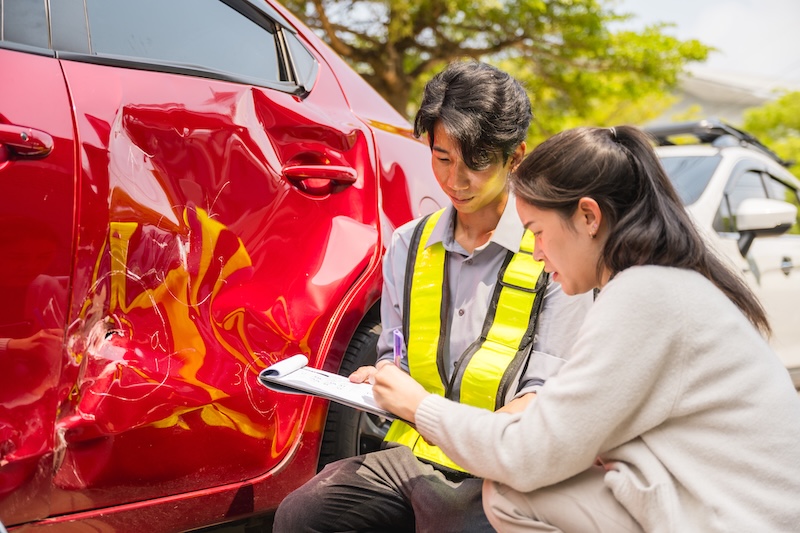
The most common form of auto body damage is cosmetic. Scratches, paint chips, and small scuffs may look minor, but they can still create problems if left untreated. Exposed metal can rust, and chipped paint lowers the resale value of your car. Professional refinishing restores the appearance and protects the surface. These repairs are typically fast and cost-effective, making them a good introduction for student drivers learning how even small mistakes can have long-term effects if ignored.
Minor Dents and Dings for Student Drivers
 Parking lot mishaps, runaway shopping carts, or a door swung too wide often cause small dents. Paintless dent repair (PDR) can often resolve these without repainting. This technique involves carefully massaging the metal back into shape. Because PDR maintains the factory finish, it keeps costs down and delivers near-perfect results. Teaching new drivers that dents are more than just an eyesore is important. Even minor bodywork can affect resale value or cause alignment issues if located near hinges or seams.
Student Drivers & Moderate Collision Damage
When a low-speed collision occurs, you may see damage to bumpers, fenders, or lights. These parts absorb impact and protect more critical areas of your vehicle. Replacing bumpers or cracked lights might seem straightforward, but modern cars include sensors, cameras, and other technology that complicate the repair. A cracked bumper on a student’s car might also affect the operation of backup cameras or blind spot monitors, making professional evaluation essential.
Structural and Frame Damage 
The most complex level of auto body repair involves structural damage. If the frame bends or twists during an accident, the entire car’s safety is compromised. Specialized frame-straightening machines and precise measuring systems are required to restore the vehicle to manufacturer specifications. Structural repairs often take longer and cost more because they involve advanced technology, welding, and extensive testing. This is the kind of damage that cannot be overlooked. Parents of new drivers should understand that while cosmetic issues may be mostly aesthetic, frame damage determines whether a car is safe to drive at all.
Why the Difference Matters
 Knowing the difference between scratches, dents, and structural damage helps drivers set realistic expectations. A parent might assume a fender bender is nothing more than a quick fix. However, if hidden sensors or crumple zones are affected, the repair may require more time and investment than expected. Setting proper expectations prevents frustration and helps families plan for repair timelines, rental cars, or insurance claims.
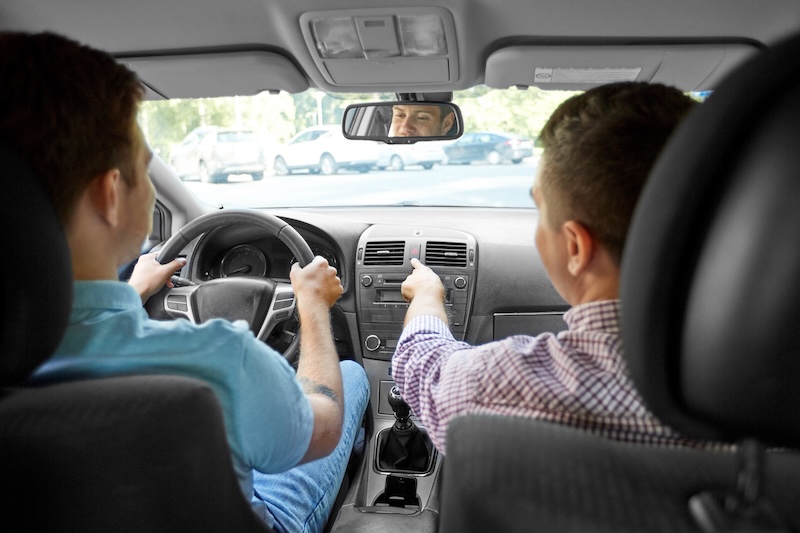
For student drivers in particular, the distinction between cosmetic and structural damage can serve as a teaching opportunity. Explaining why a dented bumper might affect safety features shows them that careful driving matters not just for appearance but for overall safety. Understanding repair complexity also teaches responsibility, encouraging new drivers to report damage quickly rather than hiding it.
The Role of Professional Assessment
Only a qualified auto body shop technician can determine the true extent of damage after a collision. What looks like a scratch could reveal deeper issues underneath. Similarly, a bent frame may not always be visible without diagnostic tools. Professional technicians use specialized equipment to evaluate every aspect of the vehicle. We check alignment, inspect safety systems, and measure the frame against factory standards.
By trusting experts, drivers avoid underestimating or overestimating damage. For parents guiding young drivers, this reinforces the importance of professional care. A do-it-yourself patch or ignoring small damage might feel like saving money, but it often costs more in the long run when problems escalate.
Insurance and Cost Considerations
 Insurance plays a key role in managing collision repairs. Minor scratches may not be worth filing a claim if the cost falls below the deductible. Frame repairs, on the other hand, almost always require insurance involvement. Understanding the complexity of damage helps families decide whether to use insurance, pay out of pocket, or pursue additional coverage options for new drivers. We can offer facts and figures to help you determine whether damage justifies making an insurance claim.
Cost also varies widely depending on the type of repair. Paintless dent repair may be completed quickly and affordably, while structural repairs involve weeks of labor and specialized equipment. Discussing these realities with young drivers prepares them for the responsibilities of car ownership and the importance of safe driving habits.
Setting Expectations for Student Drivers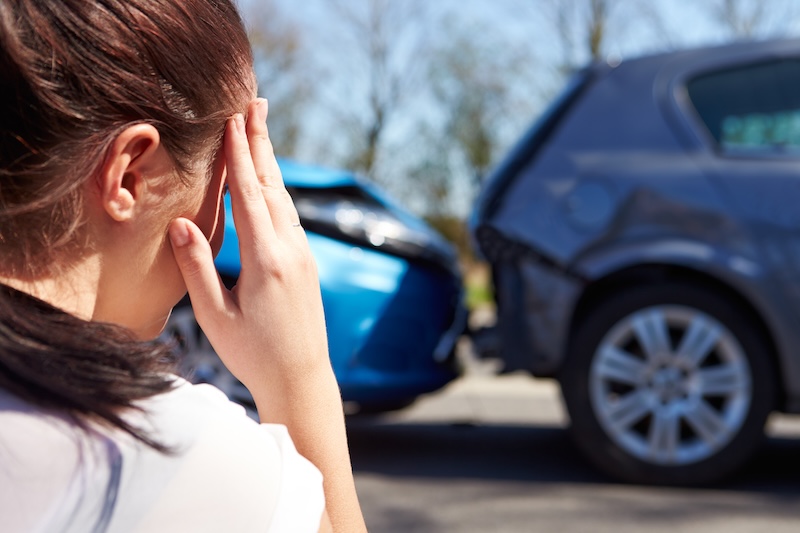
Parents often feel the financial and emotional weight of repairing cars driven by their teens. Teaching them about different types of damage can help reduce stress. Students may not realize that a scratched bumper can lead to rust, or that a bent frame can make a car unsafe. By involving them in the repair process and showing them what professionals look for, families can turn accidents into learning experiences.
Student drivers who understand repair complexity also gain respect for the privilege of driving. Knowing that even a small mistake may result in costly repairs can encourage them to be more careful behind the wheel. When parents use real-world examples from their own vehicles, these lessons often sink in more deeply.
Choosing the Right Auto Body Shop
Not every auto body shop has the technology and expertise to handle every level of repair. Frame straightening requires advanced equipment. Paintless dent repair demands skill and precision. Cosmetic refinishing requires a controlled environment to achieve a factory-level finish. Choosing a shop that offers all levels of service under one roof ensures your car gets the care it needs, no matter the damage. For families with student drivers, this also creates peace of mind. Knowing that your auto body shop can handle anything from a scratch to a bent frame means you have a trusted partner no matter what happens on the road.
Car damage ranges from minor cosmetic issues to serious structural concerns. Understanding the complexity of auto body repairs helps drivers set realistic expectations, plan for costs, and prioritize safety. This knowledge is especially valuable when a new driver is involved, as it creates an opportunity for education as well as repair. With the right professional support, every driver—student or experienced—can get back on the road safely.
About DG Collision Center, an Auto Body Shop in Covina, California
We would love to help restore your vehicle following a car accident or comprehensive damage. DG Collision Center in Covina, California is your one-stop-shop in Covina for auto body repair after car accidents. Our highly trained team includes specialized technicians. We work directly with all insurance companies. This enables our customers to file a claim without even needing to be present. We pride ourselves in providing excellent service at DG Collision Center in Covina, California.