

 What to Do After a Minor Fender-Bender: A Practical Guide for Covina Drivers
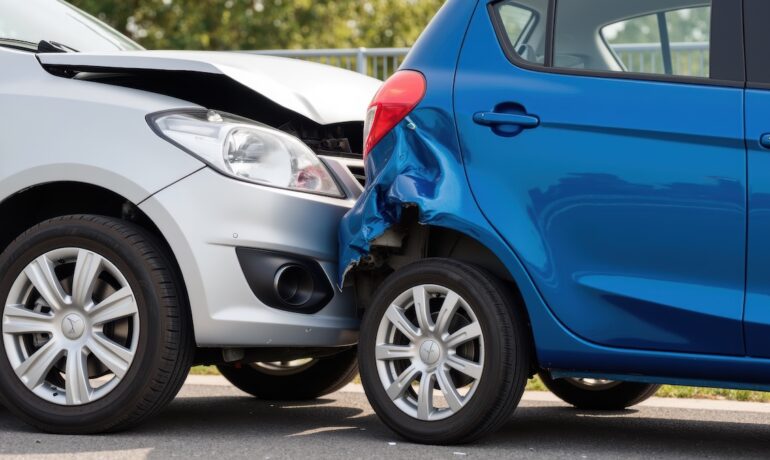
Even the most careful drivers sometimes face the unexpected. A minor fender-bender at a stoplight, in a crowded parking lot, or during rush-hour traffic may not leave you injured, but it can still feel overwhelming. The noise of impact, the exchange with the other driver, and the sudden concern about damage or costs all create stress. The good news? With the right steps, you can navigate the situation calmly and efficiently while protecting yourself, your finances, and your vehicle.
At DG Collision Center in Covina, we’ve helped countless drivers through the aftermath of small accidents. Based on that experience, here’s a step-by-step guide designed for real-world situations in Southern California.
Step 1: Stay Calm and Check for Safety in a Minor Fender-Bender
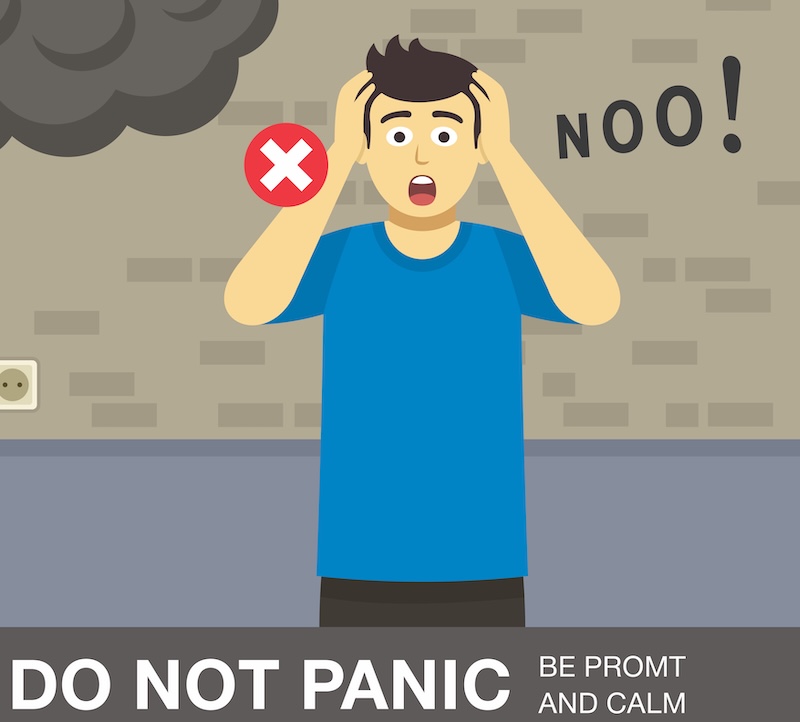
The first moments after an accident matter most. Take a deep breath, put your hazard lights on, and make sure everyone is safe. Move vehicles to the side of the road if possible, to avoid blocking traffic. In parking lots, pull into an open space away from congestion.
Even when the collision feels minor, it’s smart to check for injuries. Whiplash or muscle strain may not appear right away, and adrenaline often hides pain. If anyone feels unwell, call 911 and seek medical attention immediately.
Step 2: Document the Minor Fender-Bender Scene Thoroughly
 Your smartphone is your best tool. Snap clear photos of both vehicles, including close-ups of scratches or dents as well as wide shots that show positioning on the road. Don’t forget:
- License plates and VINs: These uniquely identify the vehicles.
- Damage inside and out: Sometimes the trunk, bumper clips, or interior panels show damage not visible at first glance.
- Environmental details: Traffic signs, road conditions, and even weather can help provide context.
If there are witnesses nearby, politely ask for their names and phone numbers. A neutral third party may strengthen your insurance claim.
Step 3: Exchange Minor Fender-Bender Information Professionally
California law requires drivers to exchange details after a collision. Write down or take photos of the other driver’s:
- Name, phone number, and driver’s license.
- Insurance company and policy number.
- License plate, vehicle make, model, and year.
Keep the interaction polite but limited. Avoid phrases like “I’m sorry” or “It was my fault.” Even casual remarks can be used against you later. Stick to gathering facts.
Step 4: Understand Reporting Requirements
 In California, you must file a police report if damages exceed $1,000 or if anyone is injured. Even when it seems unnecessary, filing a report creates an official record that protects you from disputes later.
Additionally, the DMV requires you to file an SR-1 accident report within 10 days if damages exceed $1,000. Many drivers don’t realize this, but failing to file can result in penalties.
Step 5: Contact Your Insurance Company Quickly
Most insurers require prompt notification—often within 24 hours. Call your provider and share the details you collected. Provide photos if possible. Reporting quickly gives you an advantage, especially if the other driver delays or disputes the claim.
Be prepared for questions such as:
- Was anyone injured?
- Where and when did the accident occur?
- What damage is visible?
- Answer honestly but concisely. Your insurer will handle the investigation from there.
Step 6: Get Multiple Repair Estimates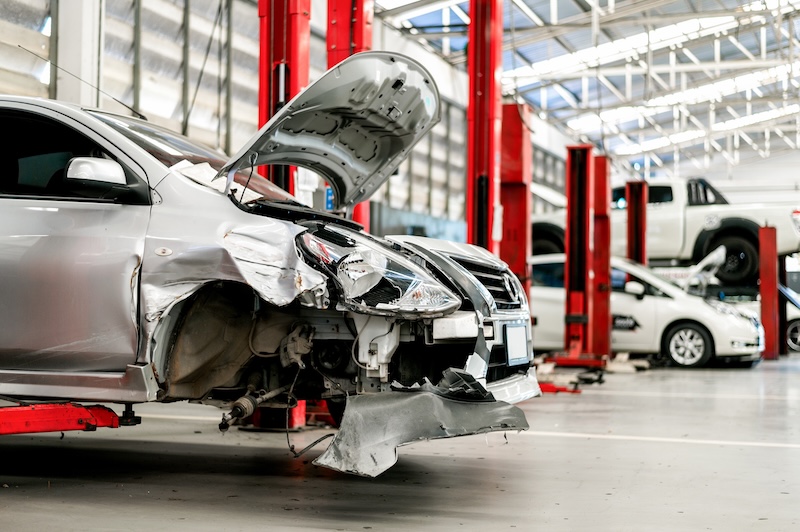
Here’s where many drivers go wrong. It’s tempting to settle for the first shop you find, especially if the damage looks minor. But what appears to be a simple bumper scrape could hide deeper problems like frame misalignment, electrical damage, or sensor malfunction.
Collecting estimates from reputable repair shops protects you in two ways:
- Accuracy: You’ll know whether the damage is truly minor or more extensive.
- Negotiation power: Multiple estimates give you leverage with your insurer, ensuring they approve a fair payout.
Step 7: Choose a Collision Center That Simplifies the Process
 This step is where drivers save themselves the most stress. A trusted collision center does more than repair cars—they guide you through the claims process, communicate directly with insurance companies, and provide honest advice about repair vs. replacement.
At DG Collision Center, for example, our Covina team handles the paperwork and insurance calls so customers don’t have to. We understand how frustrating it can be to spend hours on hold or explain the same details multiple times. By working directly with your insurer, we keep the process moving and get your car back to you faster.
Our technicians also specialize in precise repairs that meet or exceed manufacturer standards. That means your car isn’t just patched—it’s restored to safe, reliable condition.
Why Choosing the Right Shop Matters
Not all shops provide the same level of service. Choosing the wrong one can lead to:
- Delayed repairs and missed deadlines.
- Poor-quality parts that don’t last.
- Incomplete insurance communication, leaving you with out-of-pocket expenses.
On the other hand, selecting a trusted local shop in Covina ensures transparency, quality repairs, and peace of mind. You deserve to feel confident not just in the look of your car, but in its safety and performance after a collision.
Step 8: Keep Records Organized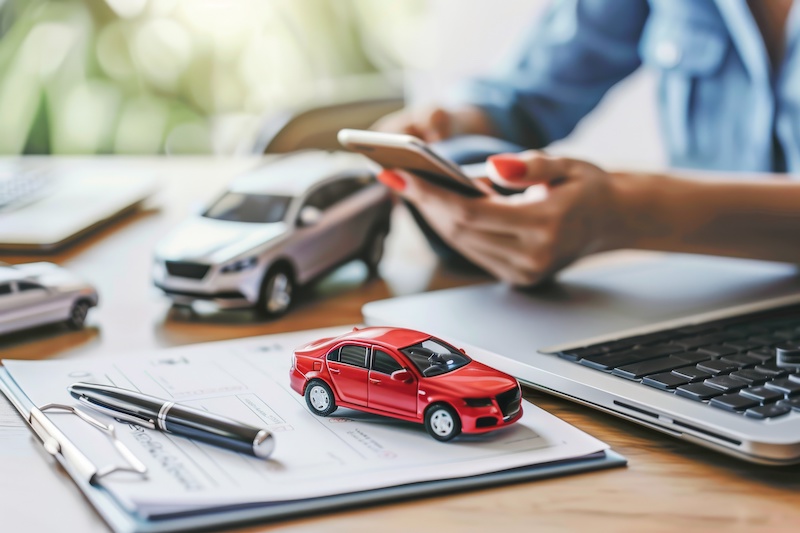
Accidents often lead to weeks of follow-up. Keep a folder—physical or digital—with:
- Police and DMV reports.
- Photos of the accident.
- Insurance claim numbers.
- Repair estimates and receipts.
Having everything in one place saves time if questions arise months later, especially when you sell or trade in your car.
Step 9: Know What to Expect After Repairs
Even when repairs are complete, monitor your vehicle closely. Look for unusual vibrations, warning lights, or alignment issues. If something feels off, return to the collision center immediately. Reputable shops like DG Collision Center back their work with guarantees, so you’re never left wondering about quality.
Peace of Mind in the Middle of Stress
 A fender-bender may be considered “minor,” but the aftermath can still feel major. By following these steps—assessing safety, documenting carefully, exchanging information, reporting as required, and choosing the right collision center—you simplify the process and protect your interests.
Most importantly, you avoid the hidden headaches that come with rushed decisions or incomplete documentation. In Covina and across the San Gabriel Valley, DG Collision Center is here to help drivers handle these stressful moments with confidence and clarity.
About DG Collision Center, an Auto Body Shop in Covina, California
We would love to help restore your vehicle following a car accident or comprehensive damage. DG Collision Center in Covina, California is your one-stop-shop in Covina for auto body repair after car accidents. Our highly trained team includes specialized technicians. We work directly with all insurance companies. This enables our customers to file a claim without even needing to be present. We pride ourselves in providing excellent service at DG Collision Center in Covina, California.