

 What Happens When Everyone Drives Distracted?
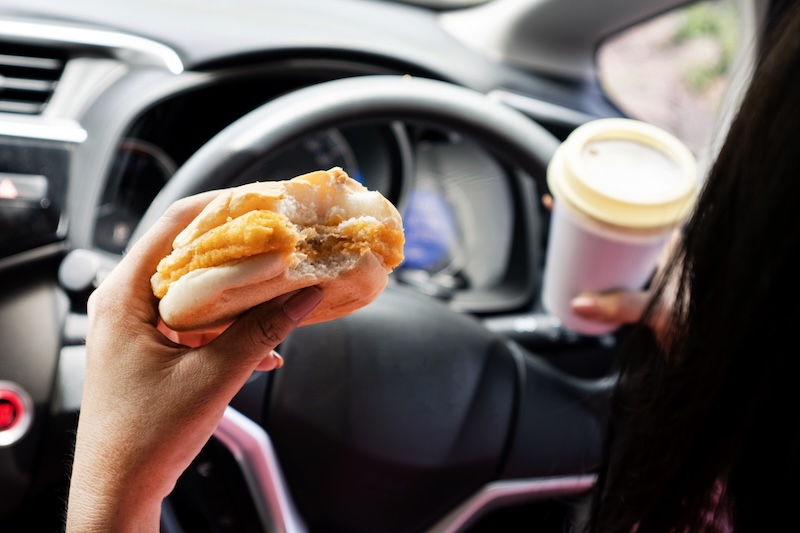
The holiday season fills Southern California roads with activity. Shoppers hunt for doorbusters, families rush between gatherings, and evening traffic stretches later than usual. As excitement builds, attention behind the wheel often fades. Distracted driving spikes during the holidays, and the consequences show up in body shops long after the decorations come down. The result? Holiday distracted driving. While phones play a major role, distraction during the holidays extends beyond simple texting. Alcohol at parties, alert fatigue from nonstop notifications, exhaustion after long shopping days, and rushed schedules all combine to increase collision risk—especially in the evenings.
Holiday Distracted Driving Resulting from Drinking and Driving 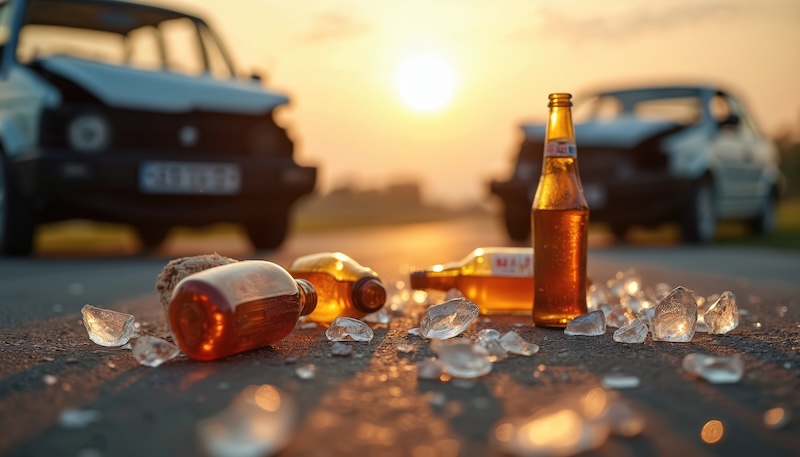
Although parties bring people together, they also bring alcohol into the picture. Even one drink can slow reaction time, impair judgment, and reduce awareness. Many drivers underestimate how alcohol affects their ability to respond to sudden stops, lane changes, or pedestrians in crowded parking lots.
Late-afternoon and evening gatherings often lead to increased accident rates. Drivers leave parties believing they feel “fine,” only to encounter congested streets, impatient drivers, and unexpected hazards. Impaired judgment turns small mistakes into serious collisions.
Planning a ride home, using rideshare services, or designating a sober driver protects not only the driver but everyone else sharing the road.
Phones, Alerts, and the Myth of “Just One Look” Adds to Holiday Distracted Driving
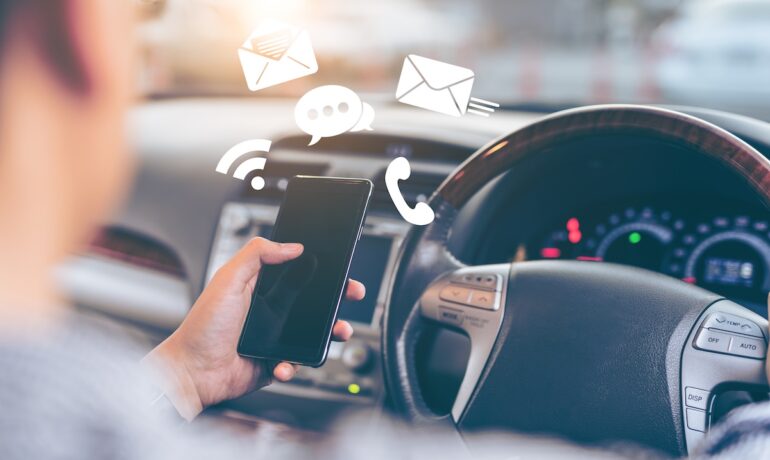
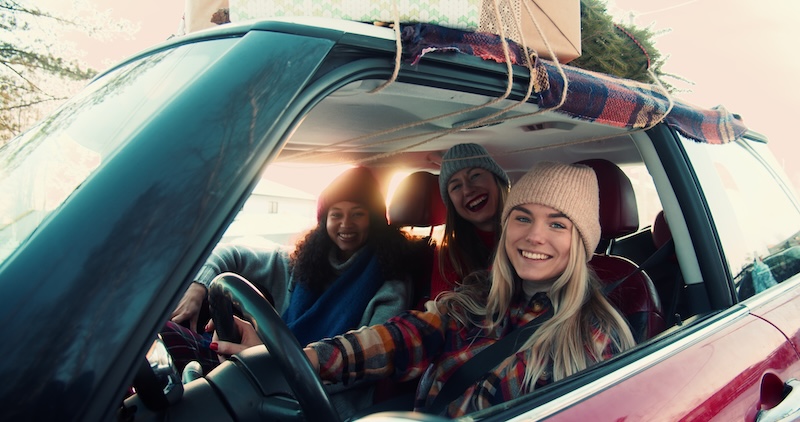 Cellphones create one of the most persistent distractions on the road. During the holidays, alerts multiply. Retailers push flash sales and doorbuster notifications. Delivery apps send pickup alerts. Family group chats buzz nonstop. Even navigation apps demand frequent attention.
Each alert pulls eyes away from the road and hands away from the wheel. Reading or writing a text takes only seconds, but at freeway speeds those seconds cover the length of a football field. Drivers don’t need to look away long to miss brake lights, pedestrians, or sudden lane changes.
Hands-free options reduce risk but don’t eliminate it. Cognitive distraction—thinking about a message or notification—still pulls focus from driving decisions.
Shopping Fatigue and Rushed Decisions
Holiday shopping wears people down. Long lines, crowded stores, and packed parking lots drain energy. Shoppers often leave stores tired, overstimulated, and eager to get home. That fatigue lowers patience and reaction time.
Drivers rush through yellow lights, roll through stop signs, and take chances they normally avoid. Parking lot collisions spike as drivers reverse without fully checking blind spots or misjudge distances in tight spaces. Evening hours see the highest risk, especially when darkness reduces visibility and tired drivers lose focus.
Why Evening Accidents Increase During the Holidays
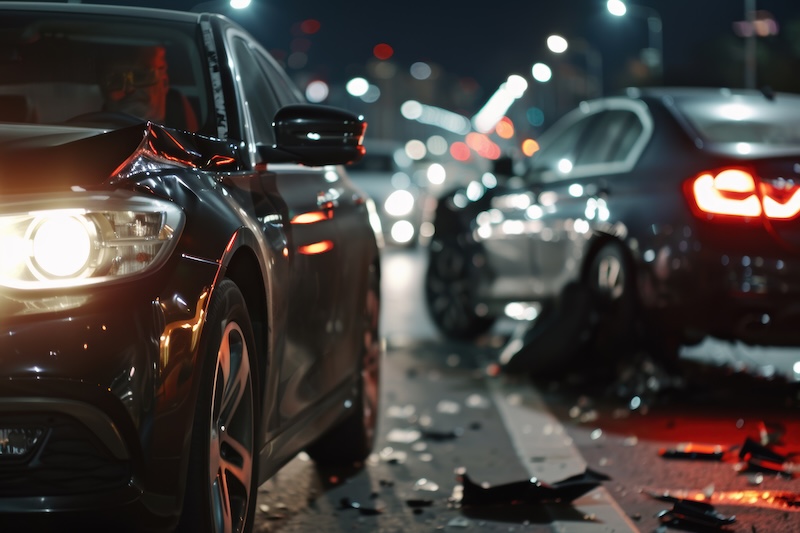 Accident data consistently shows a rise in evening collisions during the holiday season. Darkness sets in earlier, visibility drops, and drivers pile onto roads after work, shopping, and events. Add alcohol consumption and phone distraction, and the risk multiplies.
Reflections from holiday lights, wet pavement from winter weather, and crowded intersections create conditions where even minor distractions cause significant damage.
The Real Cost of Distracted Holiday Driving
Distracted driving doesn’t always lead to dramatic crashes. Fender benders, scraped bumpers, bent panels, and misaligned sensors make up a large portion of holiday-related accidents. Those “minor” impacts still affect vehicle safety.
Modern vehicles rely on advanced driver-assistance systems, sensors, and cameras that require precise calibration. Even low-speed collisions can disrupt those systems. Ignoring proper repair puts drivers at risk long after the accident.
What to Do After a Holiday Distracted Driving-Related Accident
After an accident, stress and confusion often take over. Insurance questions, repair decisions, and transportation needs pile up quickly—especially during the busy holiday season.
Choosing a repair facility that understands both the technical and human side of collision repair makes a significant difference. Clear communication, proper documentation, and professional repair processes protect drivers from long-term issues.
DG Collision Center’s Role After the Accident
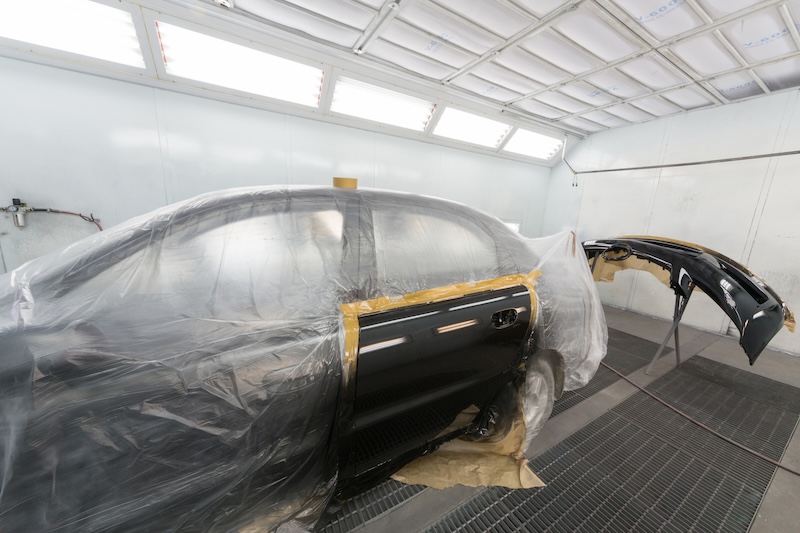 We help drivers navigate the aftermath of holiday accidents with clarity and care. From the initial estimate to final delivery, the team focuses on restoring vehicles correctly—not rushing repairs to meet holiday timelines.
Our technicians evaluate hidden damage, address structural concerns, and recalibrate safety systems when required. Working directly with insurance companies streamlines the claims process and reduces stress for drivers already dealing with a disrupted season.
Accidents may happen more often during the holidays, but proper repairs ensure those incidents don’t create lasting problems.
Making Safer Choices This Holiday Season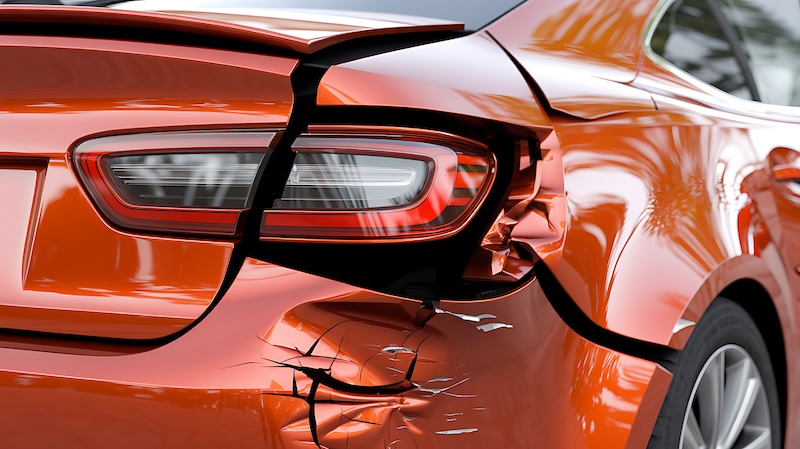
Putting the phone down, planning transportation after parties, and slowing down during busy evenings reduce risk significantly. A few intentional choices behind the wheel protect lives, vehicles, and holiday memories.
For those already affected by distracted driving accidents, professional repair matters. Restoring safety, performance, and appearance requires expertise—especially as vehicle technology continues to advance.
About DG Collision Center, an Auto Body Shop in Covina, California
We would love to help restore your vehicle following a car accident or comprehensive damage. DG Collision Center in Covina, California is your one-stop-shop in Covina for auto body repair after car accidents. Our highly trained team includes specialized technicians. We work directly with all insurance companies. This enables our customers to file a claim without even needing to be present. We pride ourselves in providing excellent service at DG Collision Center in Covina, California.