

 Why Collision Repair Updates Matter
After an accident, handing your vehicle over to a collision repair shop requires a certain amount of trust. You may understand that repairing significant damage takes time, especially when the process involves parts, insurance approvals, structural repairs, refinishing, or calibrations. However, waiting becomes much more frustrating when you have no idea what is happening behind the scenes.
That is why communication plays such an important role in the collision repair experience. Customers don’t necessarily expect their vehicles back immediately, but they do want to understand where things stand. At DG Collision Center, we believe keeping customers informed throughout the repair process reflects the same commitment to knowledge, skill, and customer service that we bring to the repair itself.
Collision Repair Involves More Than One Repair Date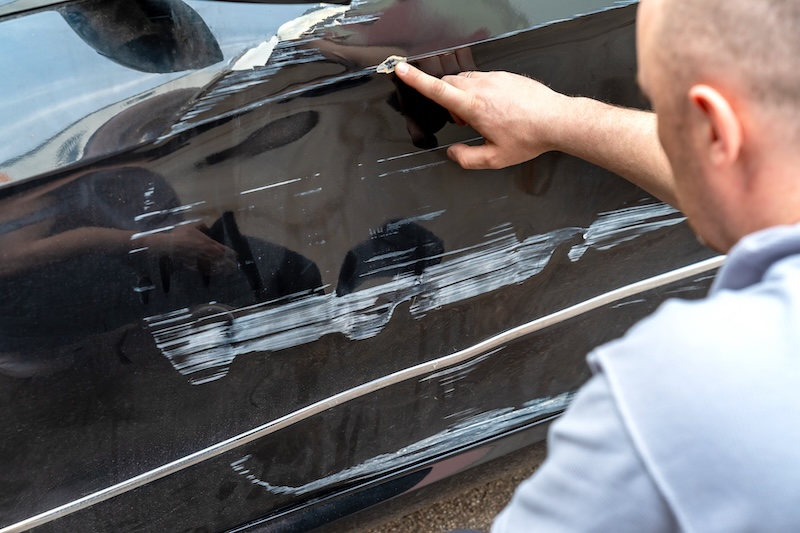
When you first bring a damaged vehicle to us, you naturally want to know when you will get it back. However, we may not have enough information on day one to provide an exact completion date. Modern collision repair involves multiple stages, and information we uncover during one stage can affect what happens next.
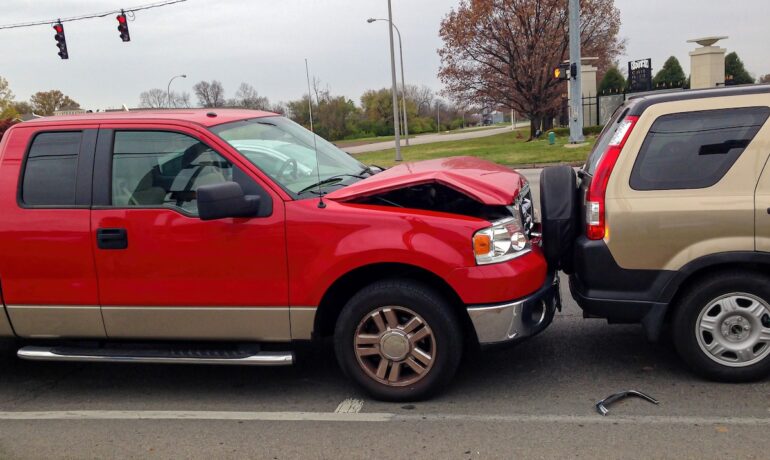
For example, exterior damage may hide additional problems underneath a bumper, quarter panel, door, or other component. Once we disassemble the damaged area, we gain a clearer view of what the collision actually affected. Therefore, a preliminary estimate may change after teardown reveals damage that nobody could accurately identify from an exterior inspection alone.
Teardown Can Change the Collision Repair Plan
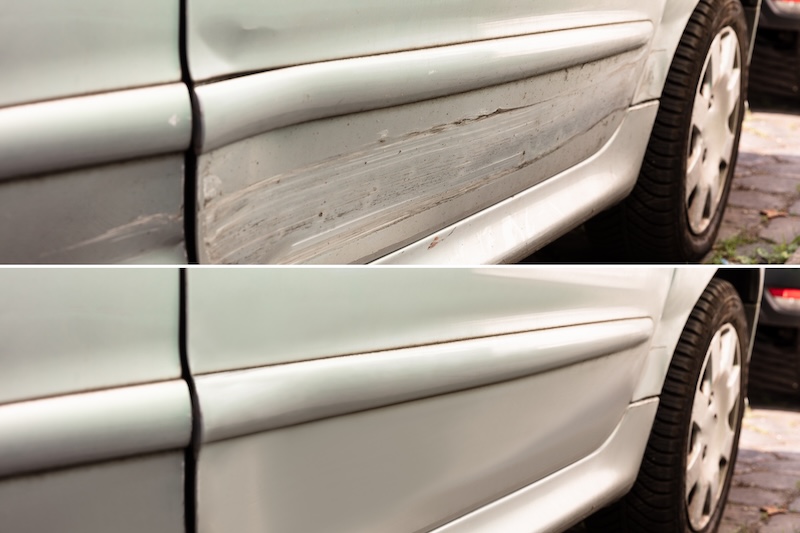 When we identify additional accident-related damage, we may need to update the repair plan. That doesn’t necessarily mean someone missed something during the initial inspection. Instead, disassembly gives us access to areas we simply couldn’t see before. For example, teardown may reveal:
- Damaged brackets or mounting points hidden behind exterior panels
- Bumper reinforcements or structural components affected by the impact
- Broken sensors, wiring, or connectors
- Additional body or mechanical damage caused by collision forces
- Parts that require replacement rather than repair
Once we know the full extent of the damage, we can develop a more complete repair plan based on what we actually find. Just as importantly, we can explain those discoveries to the customer and how they may affect the repair timeline.
Supplements and Insurance Approvals Take Time
If teardown uncovers additional damage, we may need to prepare a supplement for the insurance company. A supplement documents accident-related repairs or parts that weren’t included in the original estimate. Depending on the claim, the insurer may need to review photographs, documentation, pricing, or other information before authorizing the additional work.
Meanwhile, we may have to wait for that approval before moving forward with certain portions of the repair. Because we work directly with all insurance companies, our team understands how to navigate this process and provide the necessary documentation. Just as importantly, we keep our customers informed during this stage so they understand why their vehicle may appear to be “sitting” when important work is actually happening behind the scenes.
Parts Availability Can Affect the Timeline
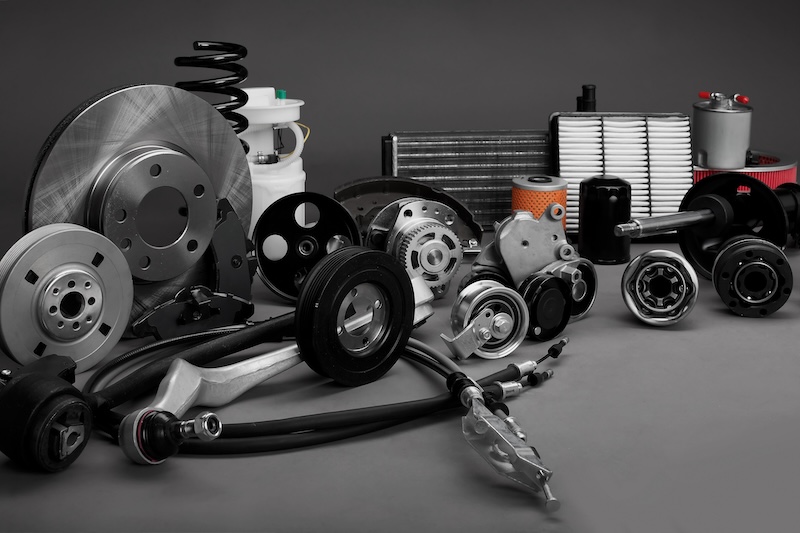 Even after we know exactly what a repair requires, the necessary parts still have to arrive. Some components may reach us quickly, while others can face manufacturer backorders, distribution delays, shipping problems, or limited availability. Additionally, modern vehicles incorporate different trim levels, sensors, cameras, brackets, and technology into components that once seemed relatively simple.
As a result, we need to make sure we have the correct parts for the specific vehicle and repair plan. Our goal isn’t simply to find something that physically fits and keep the repair moving. When the right part takes longer to obtain, waiting for it makes far more sense than compromising the quality of the repair simply to meet an earlier estimated completion date.
Skilled Body and Paint Work Cannot Be Rushed
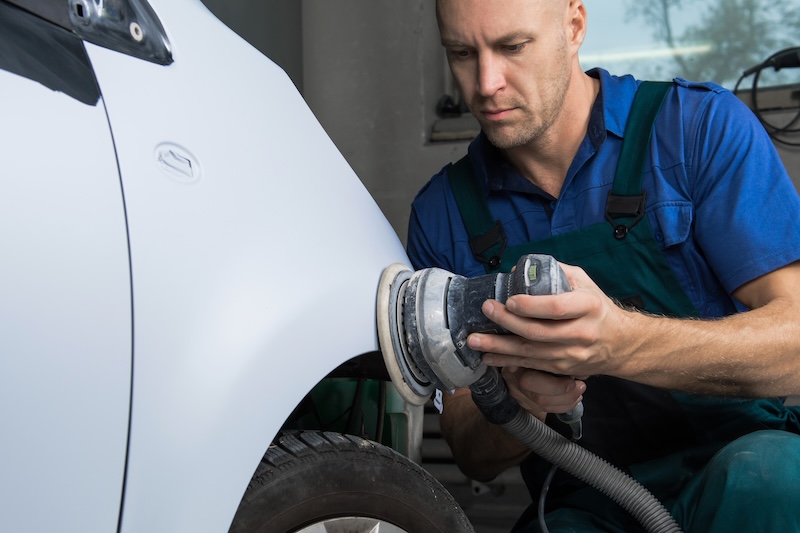
Once we receive the necessary approvals and parts, the hands-on repair may move through several stages. Depending on the damage, we may perform structural work, panel replacement, metal repair, bodywork, preparation, refinishing, reassembly, or a combination of these services. Each stage requires knowledge and attention to detail because the quality of one step can affect everything that follows.
Paint work, in particular, involves considerably more than spraying color onto a replacement panel. Proper preparation, color matching, refinishing, curing, and finishing all contribute to the final result. Therefore, when we tell a customer that a vehicle has moved into body or paint work, that update provides meaningful information about the progress taking place even though the car isn’t ready to leave yet.
Modern Vehicles May Need ADAS Calibrations
 Today’s collision repairs increasingly involve technology in addition to traditional bodywork. Many vehicles use advanced driver assistance systems, or ADAS, that depend on cameras, radar, sensors, and other precisely positioned components. These systems may support features such as automatic emergency braking, blind-spot monitoring, adaptive cruise control, parking assistance, or lane-related warnings.
After certain repairs, manufacturer procedures may call for calibration of affected systems. We cannot simply assume everything works correctly because the vehicle looks good or no warning light appears on the dashboard. Consequently, calibration may represent another necessary step between completing the visible repairs and returning the vehicle to our customer.
Good Updates Explain What Is Happening and Why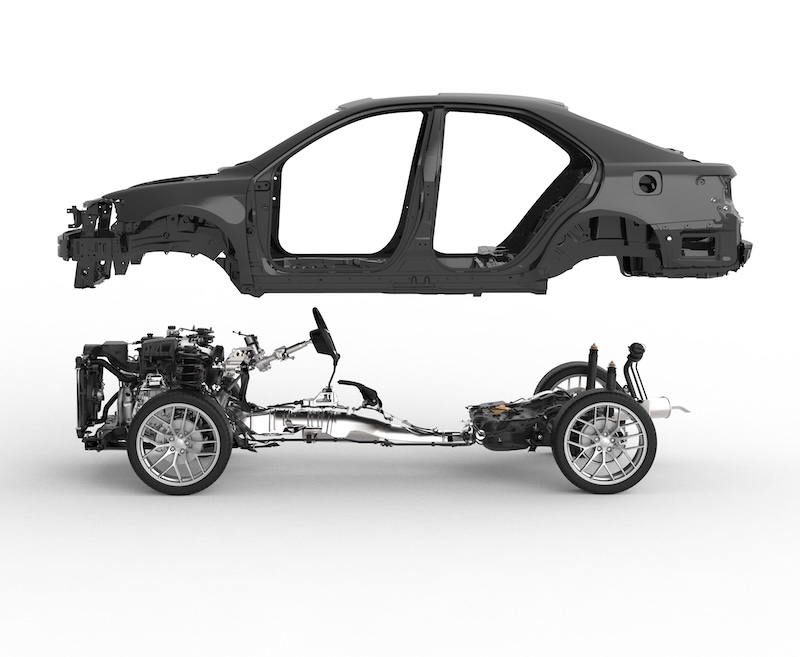
A useful collision repair update should do more than tell you that your vehicle “isn’t ready yet.” Instead, we want our communication to provide context so you understand both the progress we have made and what still needs to happen. Depending on where your vehicle stands in the process, an update might explain that:
- We are waiting for approval of an insurance supplement.
- A necessary part has been ordered but hasn’t arrived.
- Teardown revealed additional accident-related damage.
- Body or structural repairs are currently underway.
- Your vehicle has moved into paint and refinishing.
- Reassembly, calibration, or final quality checks still need completion.
Knowing which stage your vehicle has reached can make the waiting period much easier to understand. Even when we cannot control a parts delay or insurance decision, we can communicate what is happening and what needs to occur before the repair can move forward.
Communication Reflects Collision Repair Expertise
Technical knowledge and customer service shouldn’t exist separately in a collision repair shop. In fact, our ability to clearly explain what is happening comes from understanding the repair process itself. Our experienced team can explain what stage your vehicle has reached, what still needs to happen, and why a particular step matters.
Furthermore, honest communication means acknowledging when circumstances change. An estimated completion date may need adjustment if we uncover hidden damage, wait for insurance authorization, or learn that a necessary part has been delayed. Rather than leaving our customers guessing, we believe in communicating those changes and explaining how they affect the repair plan.
 You Shouldn’t Have to Wonder About Your Car
Collision repair involves many moving pieces, and some remain outside our direct control. Insurance decisions can take time, parts can experience unexpected delays, and hidden damage can change the scope of work after repairs begin. Nevertheless, those variables shouldn’t leave you wondering whether your vehicle has fallen through the cracks.
At DG Collision Center, customer service means combining skilled collision repair with clear, consistent communication. Our knowledge and experience help us navigate the repair process, work directly with insurance companies, address unexpected discoveries, and explain what is happening along the way. When you trust us with your vehicle after an accident, keeping you informed isn’t an extra service—it is part of taking care of you.
About DG Collision Center, an Auto Body Shop in Covina, California
DG Collision Center in Covina, California is your one-stop-shop in Covina for auto body repair after car accidents. Our highly trained team includes specialized technicians. We work directly with all insurance companies. This enables our customers to file a claim without even needing to be present. We pride ourselves in providing excellent service at DG Collision Center in Covina, California.