

 How to Distinguish Between Sun Damage vs. Collision Damage
Southern California sunshine can take a serious toll on a vehicle’s exterior. Years of ultraviolet exposure and heat may fade automotive paint, deteriorate clear coat, and age exterior trim. Meanwhile, parking lot bumps, road debris, minor accidents, and previous collision repairs can create damage that initially looks surprisingly similar. Fortunately, sun damage and collision damage usually leave different clues. The location, pattern, depth, and surrounding condition of the affected area can help an experienced collision technician determine what happened. At DG Collision Center in Covina, our technicians look beyond the obvious cosmetic problem to identify the cause and determine what the vehicle actually needs.
What Does Sun Damage Look Like on a Car?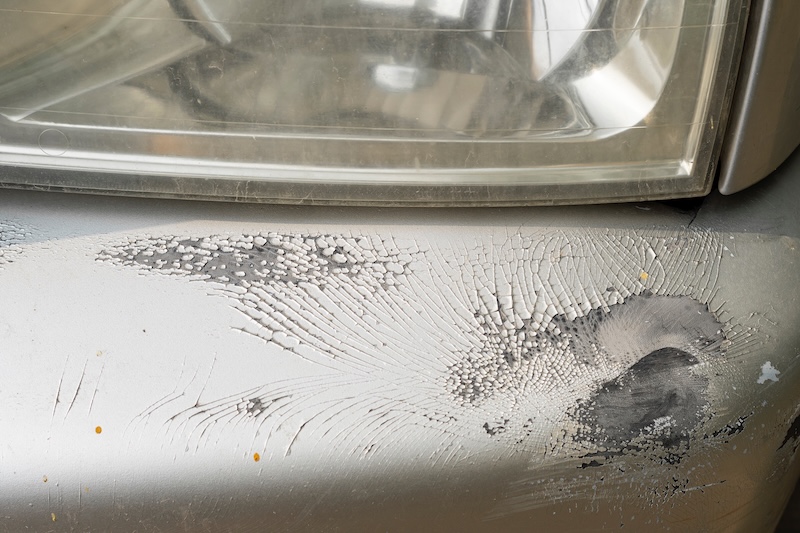
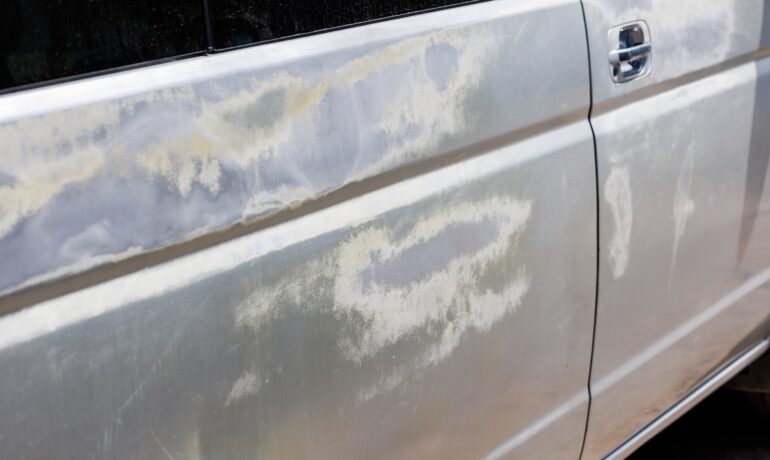
Modern automotive finishes typically include primer, a color base coat, and a protective clear coat. Although manufacturers design these finishes to withstand years of exposure, Southern California’s abundant sunshine puts them to the test. Ultraviolet radiation gradually breaks down automotive finishes, while prolonged heat can accelerate deterioration.
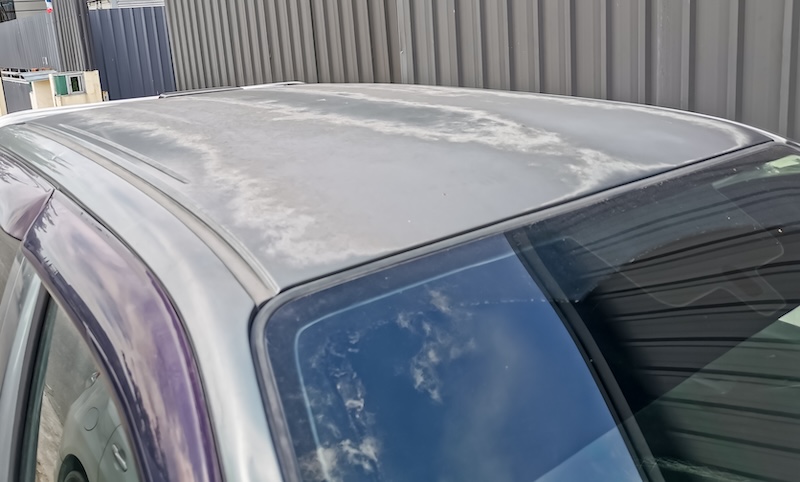
Unlike collision damage, sun damage generally develops gradually and often affects broader areas. The hood, roof, and trunk receive significant direct sunlight, so deterioration may become noticeable there first. Common signs include fading, haziness, reduced gloss, discoloration, and clear coat that begins peeling or flaking.
A vehicle routinely parked in the same direction may also show greater fading on the side exposed to intense afternoon sunlight.
Collision Damage Usually Leaves a Different Pattern Than Sun Damage
 While sunlight generally affects larger areas over time, collision damage tends to concentrate around a specific point of impact. A vehicle clipped in a Covina parking lot, for example, may develop a dent, crease, scrape, paint transfer, or cracked finish in one area. However, collision damage does not always leave a dramatic dent. Even a low-speed impact can damage bumper retainers, mounting tabs, brackets, wiring, or other components hidden beneath the exterior surface. Consequently, experienced technicians examine the surrounding panels and underlying components rather than focusing only on the visible scratch.
Common signs of collision-related damage include:
- Dents, creases, or distorted body panels
- Deep scratches concentrated in one area
- Paint transfer from another vehicle or object
- Cracked paint surrounding a dent
- Uneven spaces between adjoining panels
- Bumper covers that no longer sit flush
- Broken clips, tabs, retainers, or mounting points
These clues can help technicians determine whether physical force caused the damage.
Clear Coat Failure Can Cause Confusion
Unfortunately, clear coat deterioration can complicate diagnosis because it does not always develop uniformly. Initially, the finish may look dull, cloudy, or discolored. Eventually, the clear coat may peel in irregular patches, creating rough edges that resemble physical damage. Location provides an important clue. Widespread peeling across a roof, hood, or trunk generally points toward environmental deterioration, age, or a previous refinishing problem. In contrast, cracked or flaking paint concentrated around a fresh dent or crease suggests an impact damaged the finish.
Scratches can create similar uncertainty. Shopping carts, tree branches, car washes, bicycles, road debris, garage walls, and neighboring car doors can all leave marks. Collision technicians therefore evaluate a scratch’s depth, direction, location, and surrounding condition. Paint transfer, dents, deformation, or broken components may indicate something more significant than superficial finish damage.
 Previous Collision Repairs Can Age Differently
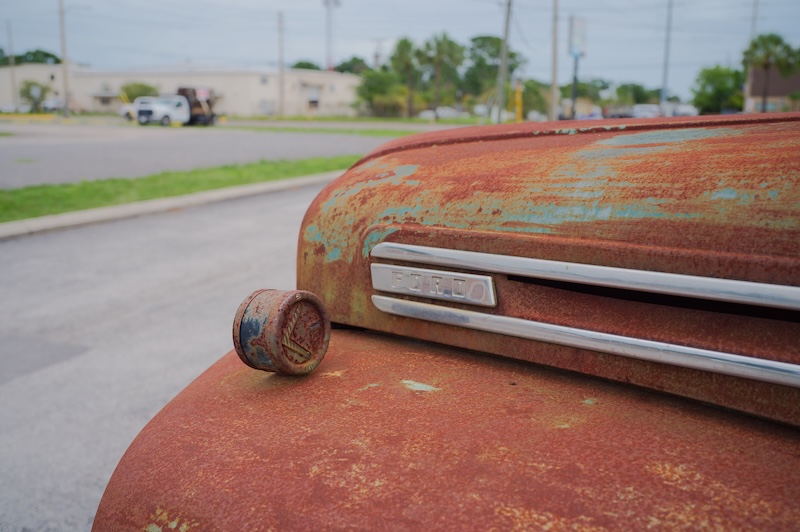
Sometimes the problem involves neither straightforward sun damage nor a recent accident. Instead, an older collision repair may start showing its age. If someone previously refinished a panel using improper preparation, incompatible materials, or other shortcuts, the finish may eventually peel, crack, bubble, or fade differently from factory paint. Southern California heat and sunlight can make those differences increasingly noticeable.
For example, a previously repaired fender might lose its gloss or change color faster than the adjacent hood and door. When one isolated panel deteriorates much faster than the rest of the vehicle, technicians may look for evidence of previous bodywork before attributing the problem solely to sun exposure.
Panel Alignment Can Reveal Collision Damage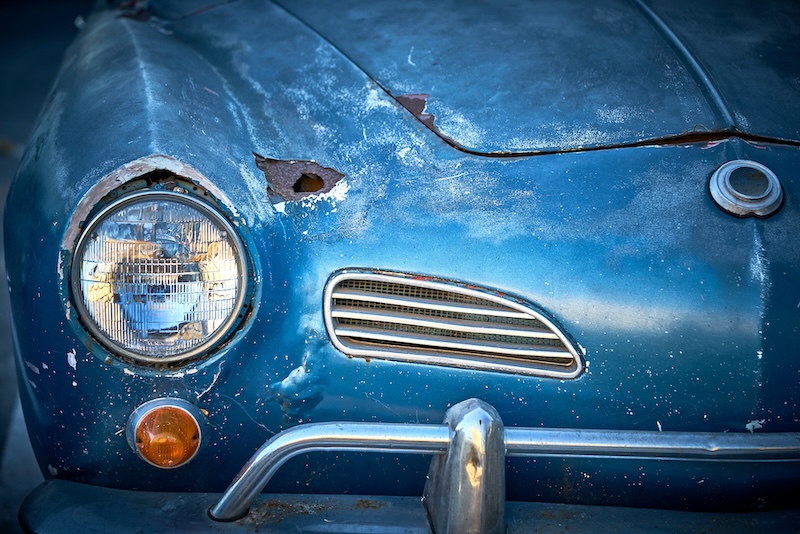
Paint attracts attention immediately, but panel alignment may provide even more useful information. Manufacturers design doors, hoods, trunks, fenders, headlights, and bumper covers to fit together within specific tolerances. Noticeably inconsistent gaps can indicate that an impact affected a panel or its supporting components. For example, a bumper that repeatedly pops loose at one corner may have broken tabs, clips, retainers, or brackets underneath. Similarly, a hood or fender that no longer aligns correctly with neighboring panels deserves closer examination.
Sunlight can fade paint and deteriorate clear coat. It cannot knock a bumper out of alignment or change the gap between adjoining body panels.
Modern Vehicle Technology Makes Diagnosis More Important
 Determining whether damage resulted from sunlight or an impact has become even more important as vehicles incorporate sophisticated technology. Modern bumpers, mirrors, grilles, and other exterior components may contain or interact with parking sensors, radar units, cameras, and Advanced Driver Assistance Systems (ADAS). Therefore, what looks like a small scrape could potentially involve equipment connected to blind spot monitoring, parking assistance, automatic emergency braking, or other safety features.
Depending on the vehicle and location of the impact, proper collision repair may require diagnostic scanning, manufacturer repair procedures, sensor inspection, or ADAS calibration. Evaluating modern collision damage involves much more than looking at the paint and deciding whether someone can buff out a scratch.
Protecting Your Vehicle From Southern California Sun
Drivers cannot eliminate sun exposure, but they can reduce its effects. Parking in a garage, carport, or shaded location whenever possible limits prolonged ultraviolet exposure. Regular washing removes contaminants that can contribute to finish deterioration, while appropriate automotive waxes or paint-protection products can provide another layer of protection. However, do not automatically blame every exterior change on the weather. Damage deserves professional attention when it appears suddenly, remains concentrated in one area, accompanies a dent or misaligned panel, or follows even a seemingly minor accident.
Experience and Customer Service Matter at DG Collision Center
Sun and collision damage may occasionally look similar, but the correct repair starts with determining what actually happened. At DG Collision Center, our experienced technicians carefully evaluate vehicle damage instead of making assumptions based solely on surface appearance. Our team understands refinishing, structural repair, ADAS technology, and the increasingly complex construction of modern vehicles.
Just as importantly, DG Collision Center emphasizes communication and customer service. We explain what we find, answer questions, and help customers understand the repair process. As an independent collision repair facility rather than an insurance company’s Direct Repair Program shop, we keep our attention where it belongs: on our customers and the proper repair of their vehicles.
Whether California sunshine has taken a toll on your vehicle’s finish or an unexpected impact has caused damage that goes deeper than it appears, an experienced evaluation can help you understand the difference and make an informed repair decision.
 About DG Collision Center, an Auto Body Shop in Covina, California
DG Collision Center in Covina, California is your one-stop-shop in Covina for auto body repair after car accidents. Our highly trained team includes specialized technicians. We work directly with all insurance companies. This enables our customers to file a claim without even needing to be present. We pride ourselves in providing excellent service at DG Collision Center in Covina, California.