


 Does Coastal Air Corrosion Affect Inland Vehicles?
Living in Covina, Glendora, San Dimas, or other Inland Empire communities has its advantages. Compared to drivers who live directly along the coast, inland vehicle owners generally don’t have to worry as much about constant salt spray, heavy marine moisture, or year-round ocean fog. Because of that, many people assume corrosion simply isn’t an issue for their vehicles. But does coastal air corrosion affect IE cars?
However, while inland vehicles are often less susceptible to corrosion than those parked a few blocks from the beach, the story doesn’t end there. Southern California drivers frequently travel to coastal destinations for work, vacations, weekend getaways, or even an afternoon at the beach. Over time, repeated exposure to salty air can contribute to corrosion in areas of a vehicle that most owners rarely see.
Fortunately, modern vehicles are built with significantly better corrosion protection than those manufactured decades ago. Even so, understanding how coastal air affects your vehicle can help you protect your investment and identify potential issues before they become more serious.
Does Salt Air Really Cause Rust?
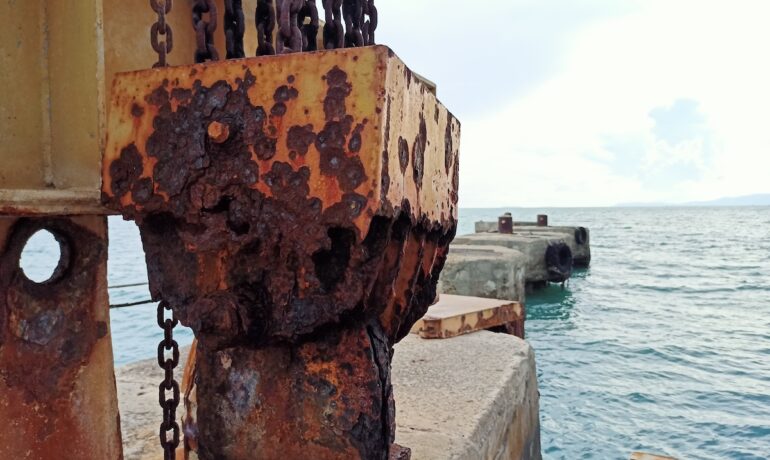
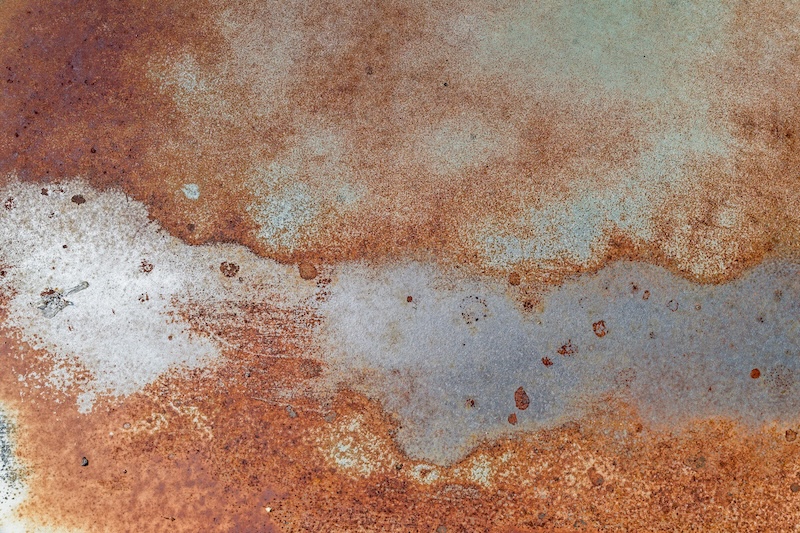
Yes—but not always in the way people imagine. Ocean air contains microscopic salt particles that can settle on a vehicle’s exterior and undercarriage. Salt attracts moisture, and when moisture remains on exposed metal for extended periods, corrosion can gradually develop.
Unlike road salt used during snowy winters in other parts of the country, coastal salt exposure usually happens more gradually. Instead of being coated in salt all at once, vehicles may accumulate small amounts over months or years of repeated coastal driving.
For drivers who only visit the beach a few times each year, the impact is often minimal. However, vehicles that regularly travel between inland communities and coastal cities may benefit from additional attention.
Does Living Inland Eliminate the Risk?
 Not entirely. While communities like Covina experience much drier conditions than beach cities, many local residents frequently drive to places like Santa Monica, Huntington Beach, Newport Beach, or Long Beach.
Each trip exposes the vehicle to higher humidity, salty air, and ocean mist. Although one visit isn’t likely to create noticeable corrosion, repeated exposure over many years can contribute to wear on unprotected metal components. Vehicles that spend extended time parked near the beach may experience even greater exposure than those simply driving through coastal areas.
Which Parts of a Vehicle Are Most Vulnerable?
Corrosion doesn’t usually begin on highly visible painted surfaces. Instead, it often develops underneath the vehicle or inside areas that trap moisture.
Some commonly affected components include:
- Suspension components
- Brake hardware
- Exhaust systems
- Frame sections
- Fasteners and mounting brackets
- Undercarriage panels
- Wheel wells
- Unpainted metal surfaces
Modern factory coatings help protect many of these components, but damage from road debris or previous repairs may expose bare metal over time.
Can Collision Damage Increase Corrosion?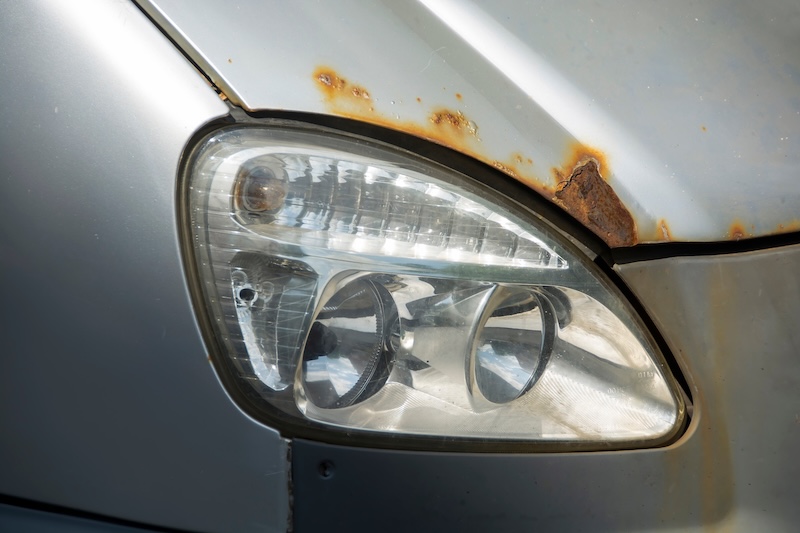
Absolutely. One of the lesser-known consequences of collision damage is that protective coatings may become compromised during an impact. Even relatively minor accidents can chip paint, crack protective sealers, or expose bare metal beneath body panels. If these damaged areas aren’t repaired properly, moisture may eventually reach the underlying metal. Professional collision repair typically involves restoring these protective coatings—not simply repainting the visible surface. That’s one reason proper repair procedures matter long after the cosmetic damage has disappeared.
Why Proper Repairs Matter
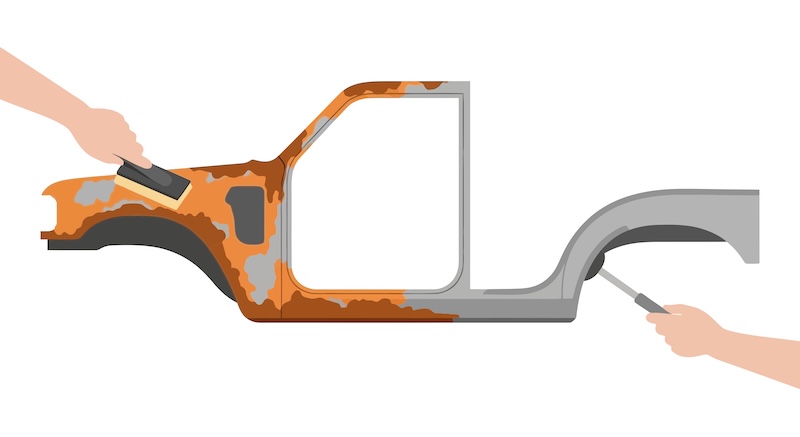 Today’s vehicles are engineered with multiple layers of corrosion protection. During a quality repair, technicians generally restore much more than the paint color. Depending on the damaged area, repairs may include corrosion-resistant primers, seam sealers, cavity waxes, under-coatings, and manufacturer-recommended protective materials.
These products help recreate the factory protection designed to keep moisture away from vulnerable metal components. Furthermore, skipping these steps or using improper repair techniques may increase the likelihood of corrosion developing later.
Coastal Air Corrosion: Should You Wash Your Vehicle After Visiting the Beach?
In many cases, yes. A thorough wash helps remove salt residue from painted surfaces before it has an opportunity to accumulate. Paying attention to the wheel wells and undercarriage can also be beneficial, especially after extended stays near the ocean.
Many automatic car washes now offer undercarriage rinses specifically designed to remove contaminants from areas that are difficult to reach. Regular washing is one of the simplest maintenance habits for drivers who frequently travel between inland Southern California and coastal communities.
Does California’s Climate Prevent Rust?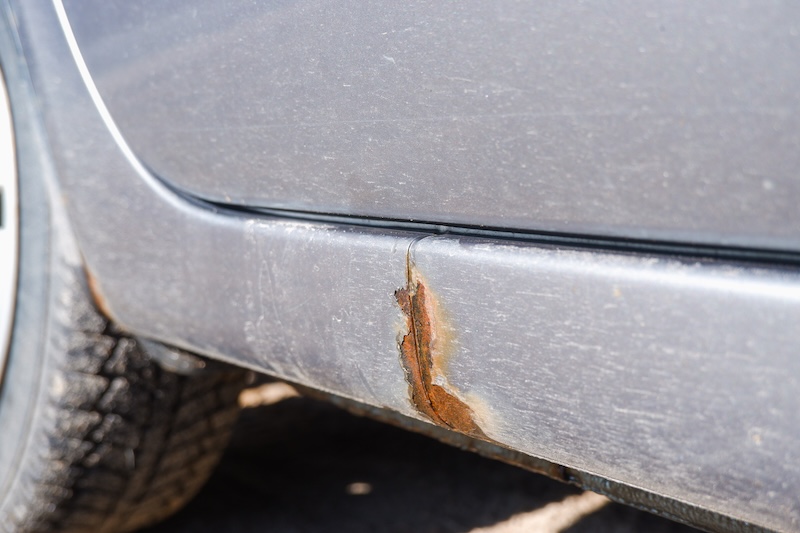
California’s generally dry climate certainly helps reduce corrosion compared to regions that receive snow, ice, and heavily salted roads.
However, dry weather doesn’t eliminate every source of corrosion. Coastal air, marine moisture, humidity, environmental contaminants, and damaged protective coatings can still contribute to rust over time.
The good news is that serious corrosion is often preventable with proper maintenance and quality repairs.
Frequently Asked Questions about Coastal Air Corrosion
 Can beach trips damage my car?
Occasional visits to the beach generally aren’t cause for concern. However, repeated exposure to salty air over many years may contribute to corrosion if salt residue isn’t removed.
Should I wash my car after driving near the ocean?
Many experts recommend washing your vehicle after spending time in coastal areas, particularly if it remained parked near the beach for an extended period.
Can rust develop after a collision repair?
Quality collision repairs are designed to restore corrosion protection. Problems are more likely to occur if protective coatings aren’t properly reapplied or if damaged areas remain exposed.
Does paint protect against corrosion?
Yes. Automotive paint systems include multiple protective layers that help shield metal surfaces from moisture and environmental exposure. When paint becomes chipped or damaged, repairing it promptly may help reduce the risk of corrosion.
Is rust common in Southern California?
Severe rust is generally less common than in colder climates, but corrosion can still develop over time, particularly on vehicles that experience repeated coastal exposure or have damaged protective coatings.
Protecting Your Vehicle for the Long Term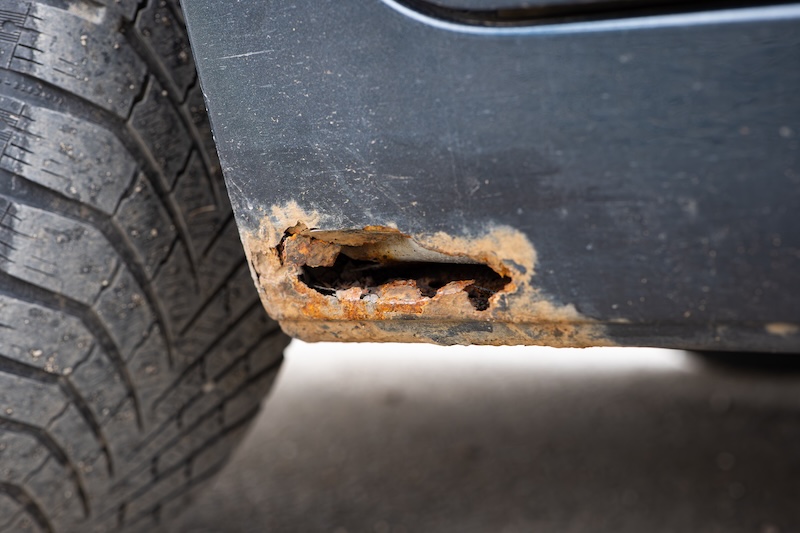
Most inland Southern California drivers won’t experience the same level of corrosion seen in snowy states or beachfront communities. Even so, regular coastal travel, minor collision damage, and neglected paint chips can gradually affect your vehicle over time.
The key is addressing damage correctly the first time. Professional collision repairs involve much more than restoring appearance—they also help rebuild the protective barriers designed to keep moisture away from the metal underneath. Combined with routine washing and proper maintenance, those repairs can help preserve your vehicle’s appearance and structural integrity for years to come.
About DG Collision Center in Covina, California
 DG Collision Center has proudly served Covina and the surrounding San Gabriel Valley for decades, providing expert collision repair for all makes and models. As an independent collision repair facility, we work for our customers—not the insurance companies—and are committed to restoring every vehicle safely and according to manufacturer-recommended repair procedures whenever applicable. From minor dents and bumper damage to major collision repairs, frame straightening, paint refinishing, and ADAS calibration coordination, our experienced technicians focus on quality workmanship, honest communication, and exceptional customer service throughout the repair process. Whether you’re from Covina, Glendora, West Covina, San Dimas, or the surrounding communities, we’re here to help get you safely back on the road.