

 Why Your Bumper Matters More Than You Think in Modern Vehicles
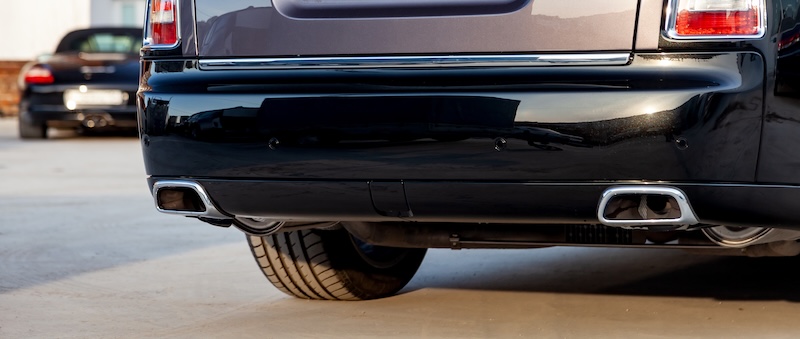
Most drivers still think of a bumper as a simple piece of plastic designed to absorb minor impacts. That might have been true decades ago. Today’s bumpers function as highly engineered systems that protect passengers, support advanced safety features, and play a critical role in how your vehicle responds during a collision.
Modern vehicles rely on integrated technology. Your bumper now houses sensors, cameras, impact absorbers, and structural components that work together in real time. When damage occurs—even in what looks like a minor fender bender—the impact often affects far more than the surface.
Understanding how modern bumpers work helps you make smarter decisions after an accident and ensures your vehicle continues to perform as designed.
The Evolution of the Modern Bumper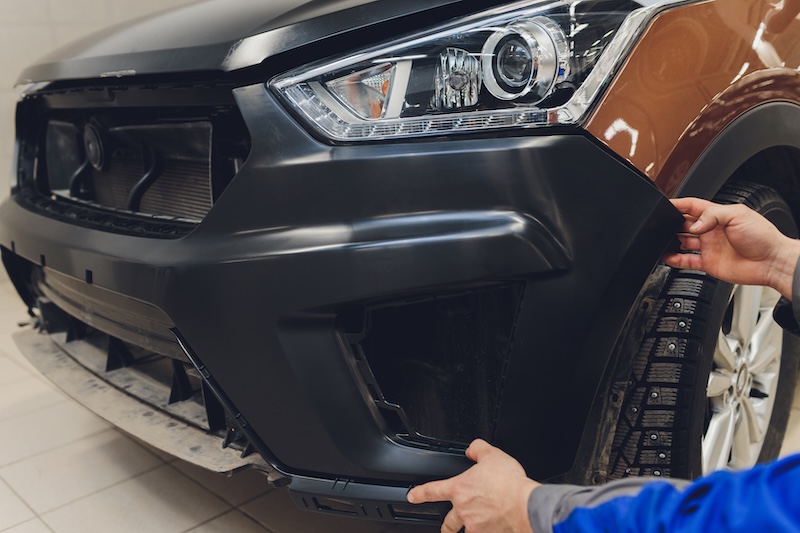
Older bumpers focused on basic protection. Steel bars absorbed low-speed impacts and helped reduce visible damage. Today’s vehicles require a more advanced approach.
Modern bumpers combine multiple layers and components, including:
- Impact-absorbing foam or energy absorbers
- Reinforcement bars connected to the frame
- Plastic fascia designed for aerodynamics and aesthetics
- Mounting systems engineered to collapse in controlled ways
These systems don’t just protect the exterior. They manage how force transfers through the vehicle during a collision, helping reduce damage to critical components and improving occupant safety.
Hidden Technology Inside Your Bumper
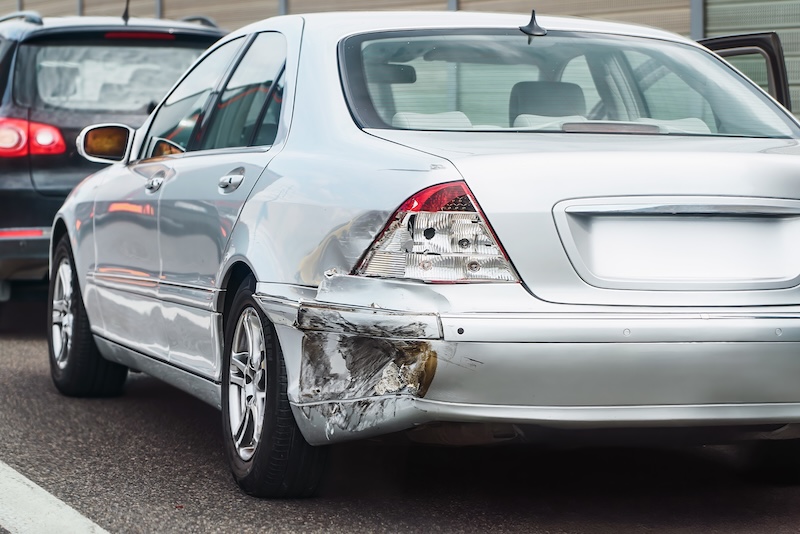 The biggest change in modern bumpers comes from what you can’t see. Many vehicles now include advanced driver assistance systems (ADAS) that rely on sensors and cameras positioned in or around the bumper. These systems support features such as:
- Parking sensors
- Backup cameras
- Blind spot monitoring
- Adaptive cruise control
- Collision avoidance systems
When your bumper takes a hit, those components can shift out of alignment—even if the damage looks minor. A small misalignment can affect how these systems interpret distance, speed, and obstacles. That can reduce accuracy and compromise safety features you rely on every day.
Impact Absorption: More Than Just Surface Protection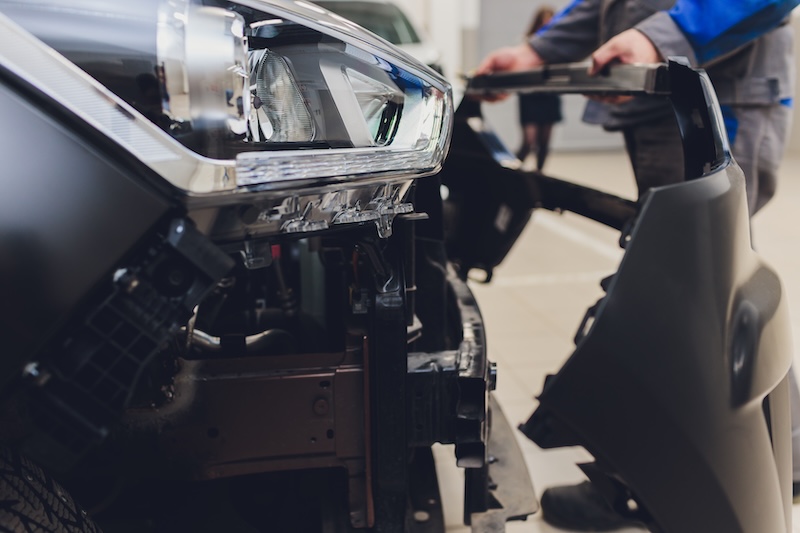
Modern bumpers don’t just “take the hit.” They control how energy moves through the vehicle. Engineers design bumper systems to:
- Absorb low-speed impacts to reduce repair costs
- Distribute force evenly during higher-speed collisions
- Protect critical systems like radiators, headlights, and frame components
The energy absorber behind the bumper plays a key role. It compresses during impact, reducing the force transferred to the rest of the vehicle. If that absorber sustains damage, it may no longer function properly—even if the outer bumper looks intact.
Why Minor Damage Isn’t Always Minor
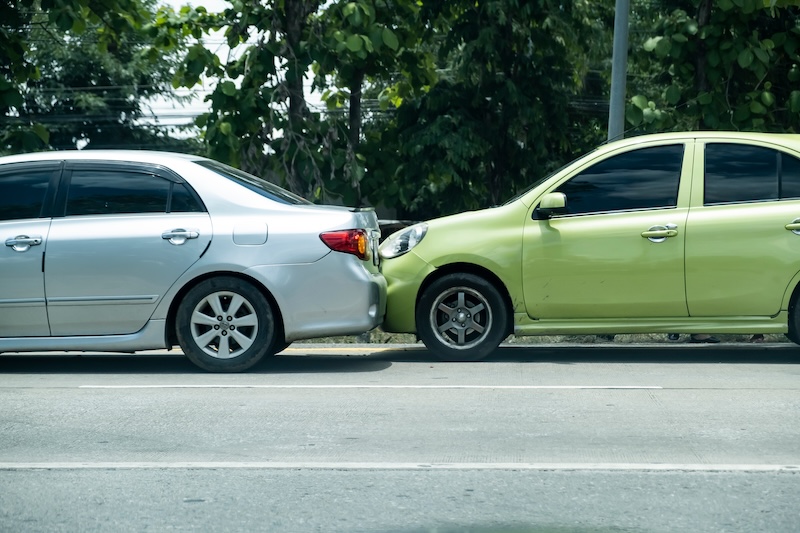
A light tap in a parking lot may leave only a scuff or small dent. Beneath that surface, however, hidden damage can occur.
 Potential issues include:
- Crushed or weakened energy absorbers
- Misaligned sensors or cameras
- Damaged mounting brackets
- Compromised reinforcement bars
Without proper inspection, these issues often go unnoticed. Over time, they can affect both safety performance and future repair costs. That’s why a professional evaluation matters—even after what seems like a minor incident.
Calibration: The Step Many People Don’t Realize Matters
When sensors and cameras sit inside your bumper, repairs involve more than replacing parts. They require calibration.Calibration ensures that your vehicle’s safety systems interpret data correctly. Without it, features like collision alerts or parking assistance may not function as intended.
After bumper repair or replacement, technicians may need to:
- Recalibrate sensors to factory specifications
- Align cameras for accurate depth perception
- Test system performance under controlled conditions
Skipping this step can leave your vehicle with safety features that no longer respond accurately.
The Role of Materials in Modern Bumpers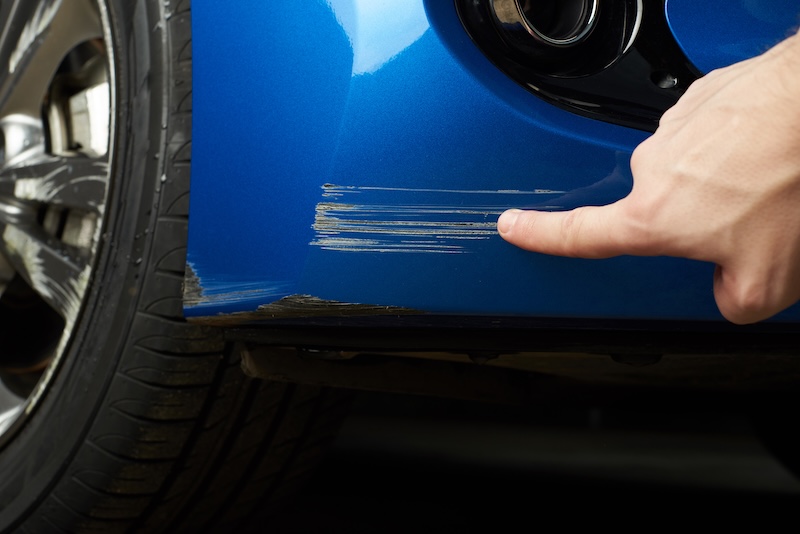
Modern bumpers use a combination of materials designed to balance strength, flexibility, and weight.
Common materials include:
- High-strength plastics for the outer fascia
- Aluminum or steel reinforcement bars
- Energy-absorbing foam structures
Each material serves a specific purpose. Together, they create a system that handles impact efficiently while maintaining the vehicle’s overall design and fuel efficiency. Damage to any one of these components can affect the entire system.
How Environmental Factors Affect Bumper Performance
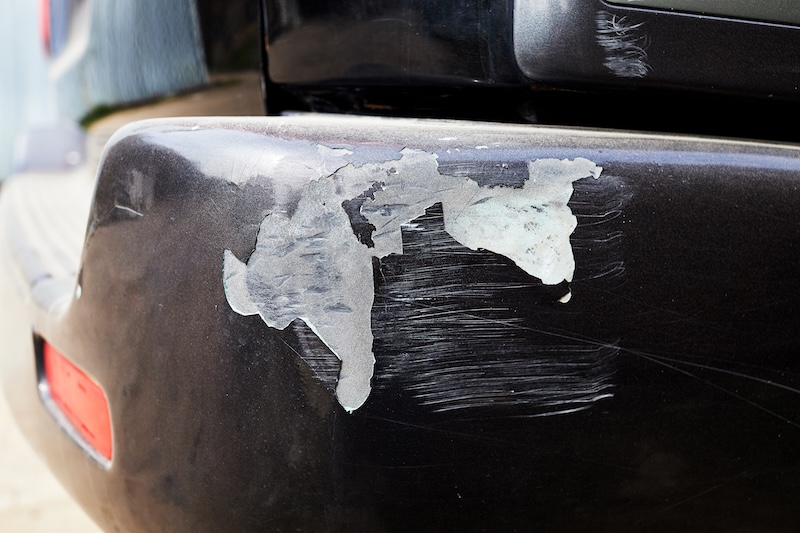 Temperature and climate can influence how bumper materials respond over time. In regions like Idaho, Oregon, and Nevada, vehicles experience:
- Cold winters that make plastics more brittle
- Hot summers that expand materials and stress components
- UV exposure that can degrade surface finishes
These conditions can weaken bumper materials over time, making them more susceptible to damage during impact. Regular inspection helps identify wear before it becomes a larger issue.
Why Proper Repair Matters
Not all bumper repairs deliver the same results. A quick cosmetic fix may improve appearance, but it doesn’t always restore full functionality.
Proper repair should address:
- Structural integrity of the bumper system
- Condition of energy absorbers
- Alignment and calibration of sensors
- Secure mounting and fitment
When repairs focus only on surface appearance, underlying issues can remain unresolved. That can affect both safety and long-term performance.
A System That Deserves Attention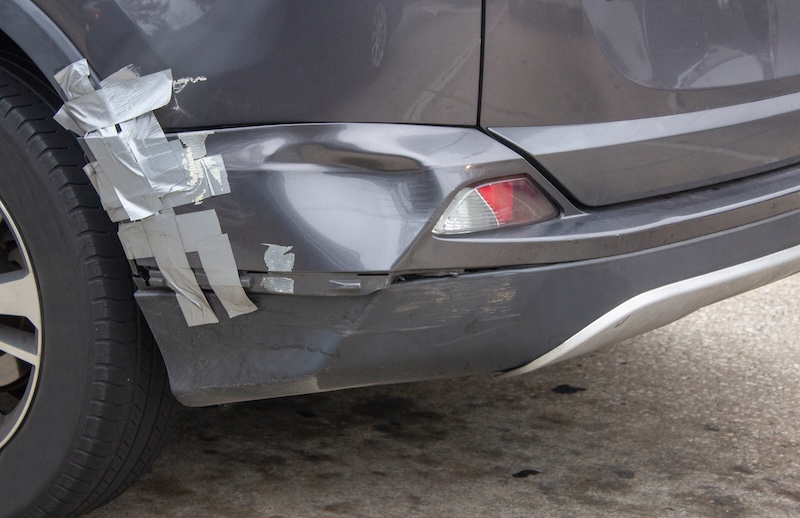
Your bumper plays a much larger role than most drivers realize. It protects your vehicle, supports advanced safety systems, and helps manage impact forces during a collision.
Treating it as a simple cosmetic component can lead to overlooked damage and missed opportunities for proper repair.
If your vehicle experiences any type of impact—no matter how small—it’s worth taking a closer look. A professional assessment ensures that everything beneath the surface continues to function as designed.
Addressing bumper damage early helps maintain safety, protect your investment, and keep your vehicle performing at its best.
 About DG Collision Center, an Auto Body Shop in Covina, California
We would love to help restore your vehicle following a car accident or comprehensive damage. DG Collision Center in Covina, California is your one-stop-shop in Covina for auto body repair after car accidents. Our highly trained team includes specialized technicians. We work directly with all insurance companies. This enables our customers to file a claim without even needing to be present. We pride ourselves in providing excellent service at DG Collision Center in Covina, California.