

 How Heat Affects Your Car’s Paint and Body in Southern California
Winter in Southern California doesn’t always look like winter. When February temperatures climb into the 70s and 80s, vehicles face many of the same challenges they normally encounter during peak summer months. While drivers may welcome the warm weather, unseasonably high temperatures introduce real risks for a car’s exterior—especially paint, trim, and body panels.
In places like Covina and across the rest of the San Gabriel Valley, prolonged sun exposure and elevated heat levels quietly accelerate wear on vehicles year-round. Understanding how heat affects your car’s paint and body helps you take smarter steps to protect your investment and avoid preventable cosmetic and structural damage.
Southern California Sun Takes a Toll on Vehicle Paint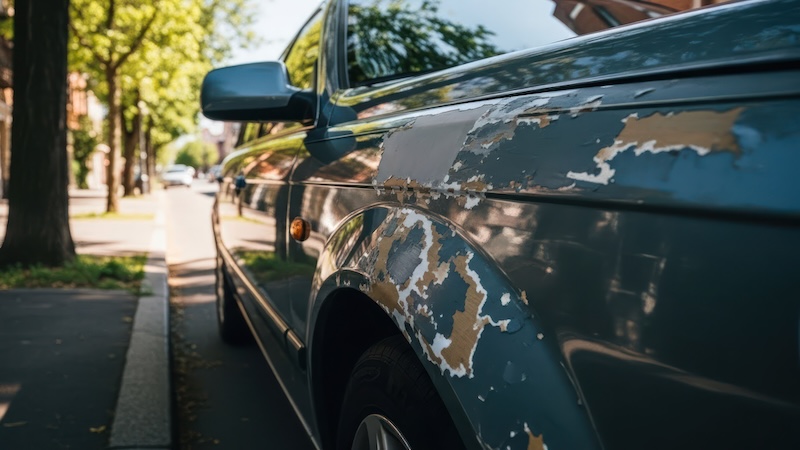
Automotive paint does more than make a car look good. It protects metal panels from moisture, oxidation, and environmental exposure. In Southern California, intense sunlight and UV radiation break down that protective barrier faster than many drivers realize.
Ultraviolet rays gradually weaken the clear coat that seals and protects paint. Once the clear coat starts to degrade, color fades unevenly, gloss disappears, and surfaces lose their smooth finish. Dark-colored vehicles often show this damage first, but lighter colors suffer just as much over time.
Unseasonably warm winter weather extends UV exposure far beyond the traditional summer season. Cars parked outdoors face cumulative damage that adds up month after month, even when the calendar says winter.
Heat Causes Paint to Expand and Contract
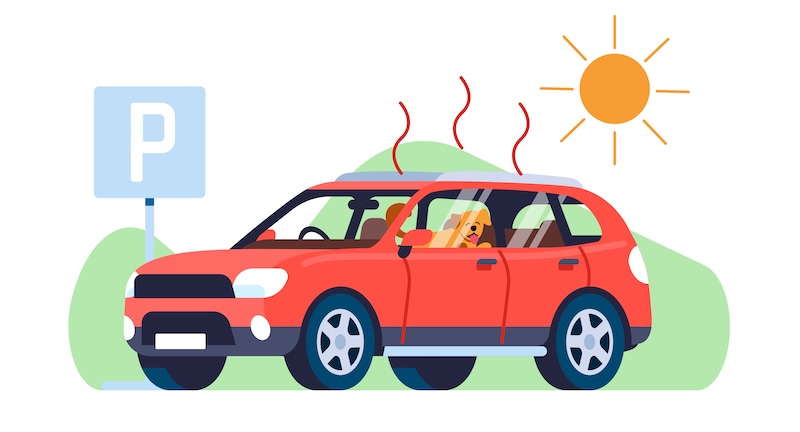 Temperature swings create another problem. As surfaces heat up during the day and cool off at night, paint layers expand and contract. Over time, that constant movement stresses the bond between the paint, clear coat, and underlying body panels.
This process contributes to cracking, peeling, and premature failure of the paint system—especially on older vehicles or cars that have already experienced minor body damage. Areas repaired after an accident need particular attention, as improper blending or curing can make paint more vulnerable to heat stress.
Professional repair and refinishing techniques account for these temperature-related challenges and help paint systems withstand Southern California conditions.
Plastic and Trim Components Warp Under Heat
Paint isn’t the only surface affected by heat. Modern vehicles rely heavily on plastic and composite materials for bumpers, mirror housings, grilles, and trim. These components react differently to heat than metal.
Extended exposure to high temperatures can cause plastic parts to warp, fade, or become brittle. Black trim often turns gray or chalky, while bumpers may lose their original shape or alignment. Once distortion sets in, panels may no longer fit correctly, creating gaps or uneven lines that affect both appearance and aerodynamics.
Heat-related warping becomes more common when vehicles sit in direct sunlight for long periods, which happens frequently in driveways, apartment parking lots, and open commercial lots throughout Covina.
Clear Coat Failure Leads to Bigger Problems
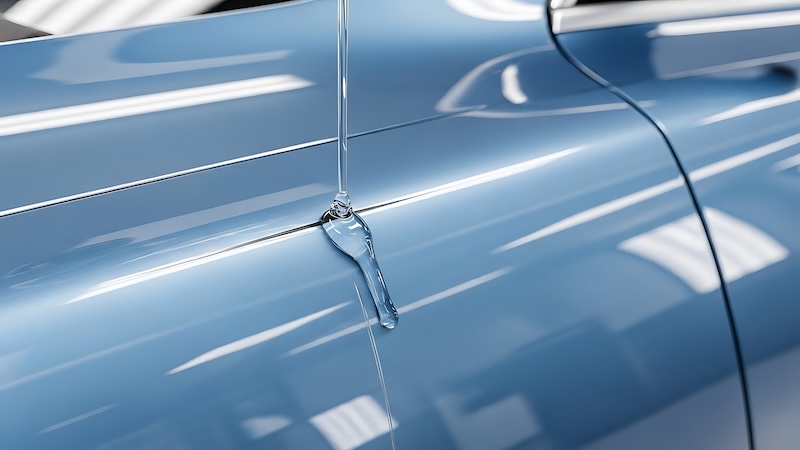 Clear coat failure doesn’t stop at cosmetic damage. Once the clear coat breaks down, paint underneath loses its primary defense against moisture and contaminants. That exposure opens the door to oxidation, staining, and corrosion.
In Southern California, airborne pollutants, road debris, and tree sap compound the problem. Heat bakes contaminants into compromised paint surfaces, making damage harder to reverse. What starts as dullness or fading can progress into peeling paint and rust-prone areas if left untreated.
Early intervention protects both appearance and long-term vehicle value.
Why Southern California Heat Damage Often Goes Unnoticed
Many drivers associate exterior damage with accidents or obvious impacts. Heat-related damage works slowly and quietly. Because changes happen gradually, owners often overlook early warning signs.
Subtle fading, reduced shine, or minor trim discoloration may not raise alarms until the damage becomes widespread. By that point, restoration options grow more limited and costly.
Regular inspections by a professional auto body shop help catch these issues early, when correction remains simpler and more affordable.
Simple Ways to Reduce Heat Damage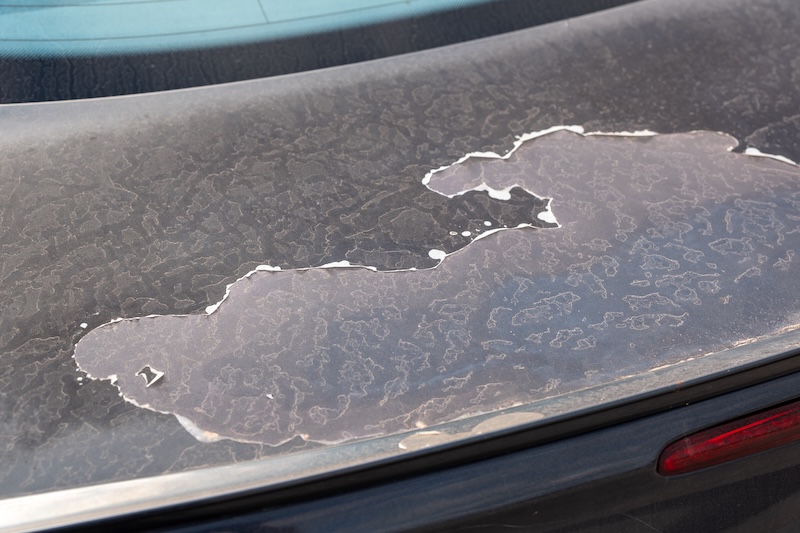
While no vehicle escapes sun exposure entirely in Southern California, smart habits reduce the impact of heat on paint and body components.
Parking in shaded areas whenever possible significantly lowers surface temperatures. Using covered parking or carports provides even better protection. Sunshades help reduce interior heat, which indirectly protects exterior seals and trim.
Regular washing removes contaminants that intensify heat damage. Applying wax or paint sealants creates an added barrier against UV rays and environmental exposure. These protective layers don’t last forever, but consistent maintenance makes a meaningful difference.
When damage already exists, professional evaluation determines whether detailing, refinishing, or repair offers the best solution.
Collision Repairs and Heat Exposure
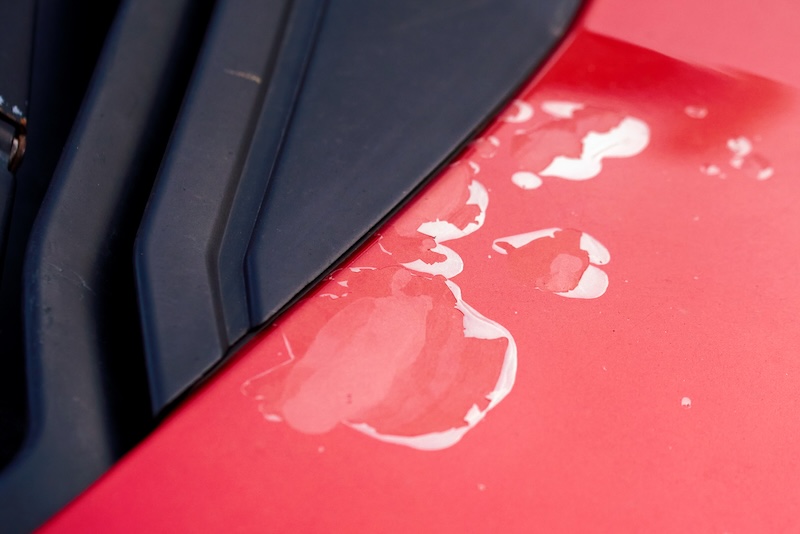 Vehicles that have undergone collision repair need special attention in hot climates. Properly repaired and refinished panels should match factory durability, but poor-quality repairs may reveal weaknesses faster under heat stress.
Paint mismatches, premature fading, or peeling around repaired areas often trace back to improper materials or techniques. Professional collision centers use manufacturer-approved refinishing processes designed to withstand temperature extremes common in Southern California.
If you notice uneven fading or changes around repaired panels, a professional inspection helps identify the cause and prevent further deterioration.
Why Professional Evaluation Matters
Heat-related damage isn’t always obvious at first glance. Trained technicians know where to look and how to assess early-stage paint and body issues before they escalate.
Professional evaluation helps determine whether protective treatments, refinishing, or part replacement offers the best long-term outcome. It also ensures repairs preserve vehicle value and appearance instead of masking underlying problems.
In regions like Covina, where sun exposure remains constant throughout the year, proactive care protects both aesthetics and structural integrity.
Protecting Your Vehicle in a Changing Climate
Unseasonably warm winters highlight a reality Southern California drivers already know: heat exposure doesn’t follow the calendar. Vehicles face year-round sun, rising temperatures, and extended UV exposure that accelerate wear on paint and body components.
Understanding how heat affects your car empowers you to act early, maintain value, and avoid unnecessary repairs. Professional guidance ensures those efforts deliver lasting results.
If your vehicle shows signs of fading, warping, or exterior wear—or if you simply want a professional opinion—experienced technicians can help you protect your investment through every season.
About DG Collision Center, an Auto Body Shop in Covina, California
 We would love to help restore your vehicle following a car accident or comprehensive damage. DG Collision Center in Covina, California is your one-stop shop in Covina for auto body repair after car accidents. Our highly trained team includes specialized technicians. We work directly with all insurance companies, enabling our customers to file a claim without even needing to be present. We pride ourselves on providing excellent service at DG Collision Center in Covina, California.