

 What’s the Difference Between OEM vs Aftermarket Part in Collision Repair
After a car accident, most drivers focus on one thing: getting their vehicle back on the road. But one of the most important decisions in the collision repair process often happens quietly—choosing between OEM and aftermarket parts. That choice affects safety, performance, warranty coverage, and long-term value, even if the difference isn’t immediately visible.
At DG Collision Center, we spend a lot of time explaining this distinction to vehicle owners in Covina and surrounding communities. Understanding how these parts differ helps drivers make informed decisions instead of feeling pressured by insurance policies or cost estimates.
 What Are OEM Parts?
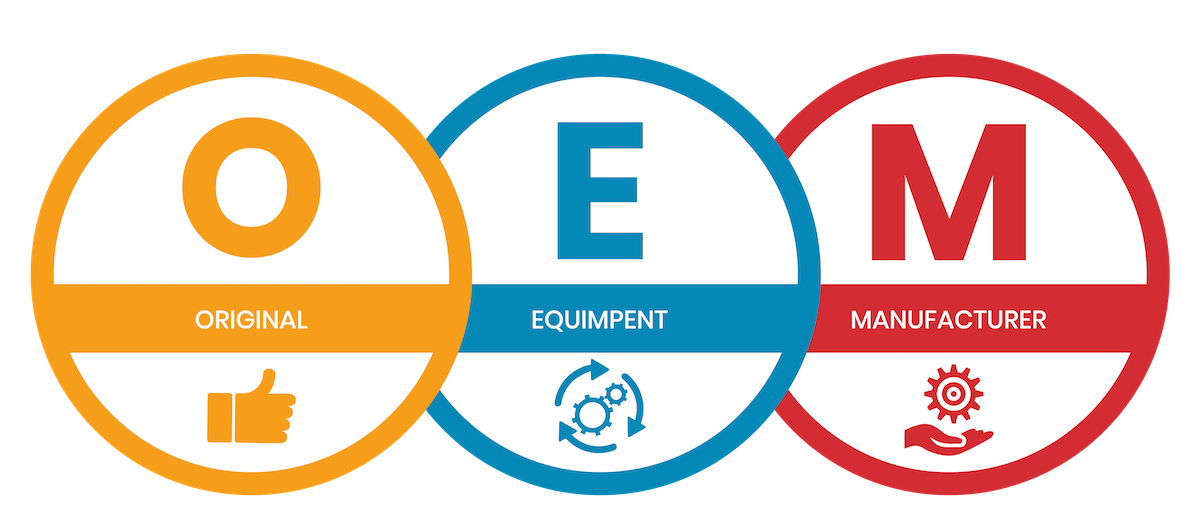
OEM stands for Original Equipment Manufacturer. These parts come directly from the vehicle manufacturer or one of its approved suppliers. The automaker designed them specifically for your vehicle’s make, model, and year.
OEM parts match factory specifications exactly. They fit the same way, function the same way, and meet the same safety standards as the parts originally installed on the vehicle.
Common OEM examples include:
- Body panels with factory mounting points
- Bumpers engineered to absorb impact correctly
- Sensors calibrated for advanced driver assistance systems
- Trim pieces that match factory paint and finish
Because OEM parts follow manufacturer standards, they integrate seamlessly with the rest of the vehicle.
What Are Aftermarket Parts?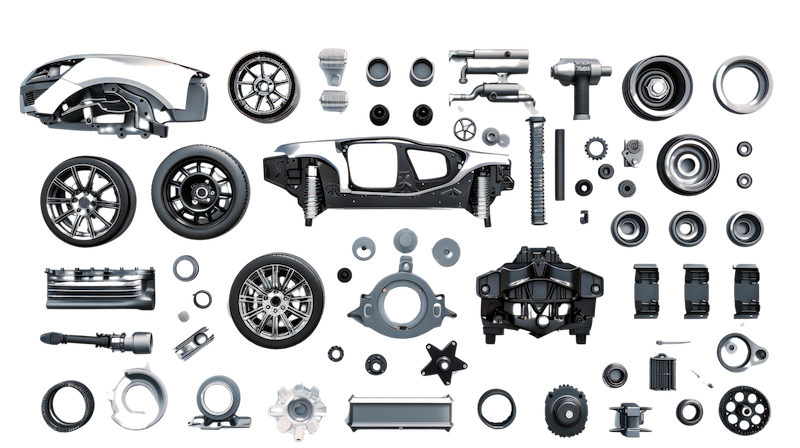
Aftermarket parts come from third-party manufacturers rather than the automaker. These companies produce parts designed to fit a wide range of vehicles, often at a lower cost.
Some aftermarket parts perform well. Others vary significantly in quality, materials, and precision. Fitment issues remain the most common concern, especially for exterior body components and structural parts.
Aftermarket parts often appeal to insurance companies because they reduce claim costs. However, lower upfront cost doesn’t always translate to long-term value.
Fit, Finish, and Performance Differences
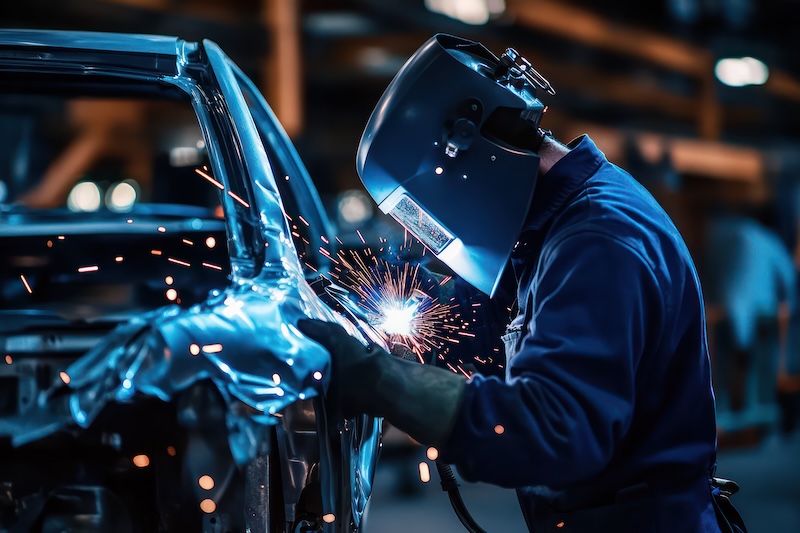 Fit matters more than many drivers realize. Even a small variation in panel alignment can affect aerodynamics, wind noise, water sealing, and crash performance.
OEM parts install with factory-level precision. Aftermarket parts sometimes require modification, adjustment, or additional labor to achieve acceptable alignment. That extra labor can offset any initial savings.
Finish quality also differs. OEM panels arrive with corrosion protection and coatings designed to last. Some aftermarket parts lack equivalent coatings, which increases long-term rust risk, especially around seams and mounting points.
Safety and Structural Integrity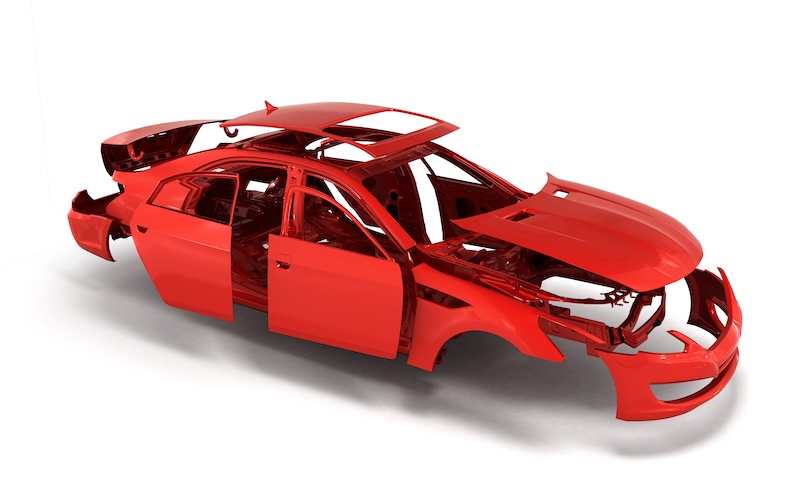
Modern vehicles rely on engineered crumple zones, reinforced pillars, and carefully designed impact absorption systems. OEM parts play a critical role in how a vehicle manages collision energy.
Aftermarket structural parts may not undergo the same testing standards. Differences in metal thickness, weld quality, or design can alter how force transfers through the vehicle during another collision.
Safety systems such as airbags, radar sensors, and lane-assist features depend on precise placement and calibration. OEM components support that precision.
Warranty Considerations
 OEM parts help preserve factory warranties. Many manufacturers specify OEM components for repairs involving safety systems or structural areas.
Aftermarket parts may introduce warranty conflicts, particularly if a failure links back to non-OEM components. Some aftermarket manufacturers offer their own warranties, but those warranties rarely match the scope or duration of factory coverage.
Drivers who plan to keep their vehicles long term often benefit from OEM parts simply because they align with manufacturer expectations.
Insurance Influence on Parts Selection
Insurance policies often dictate which parts appear in an estimate. Many insurers default to aftermarket parts to control costs, especially on vehicles outside a certain age range.
However, vehicle owners still have rights. California law allows drivers to choose their repair facility, and in many cases, to request OEM parts—particularly when safety, fit, or warranty concerns apply.
At DG Collision Center, we communicate directly with insurance adjusters to explain when OEM parts make sense. Our goal involves restoring vehicles properly, not simply meeting the minimum requirements of an estimate.
Long-Term Value and Resale Impact
 Repair quality affects resale value. Buyers and dealerships increasingly inspect repair histories and part types. OEM parts help maintain consistency with factory standards, which supports higher resale confidence.
Aftermarket parts may raise questions during inspections, especially if fitment or finish doesn’t match surrounding panels.
For leased vehicles, OEM parts often matter even m ore. Lease agreements frequently require factory-equivalent repairs to avoid end-of-lease penalties.
Cost: Short-Term Savings vs. Long-Term Results
Aftermarket parts usually cost less upfront. But that savings can disappear when additional labor, refinishing adjustments, or early replacements enter the equation.
OEM parts cost more initially, but they reduce surprises. They fit correctly, perform predictably, and last as long as the original components.
When drivers weigh cost alone, they miss the bigger picture. Repair decisions affect safety, reliability, and vehicle longevity.
Making the Right Choice After an Accident
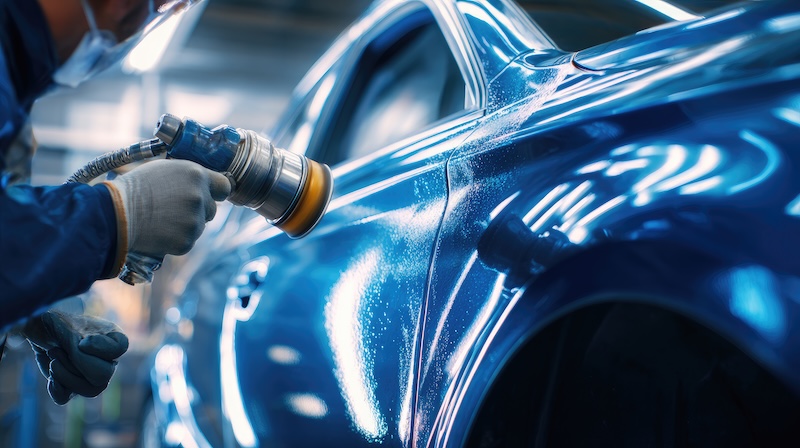 Every repair situation differs. Vehicle age, accident severity, safety systems, and ownership plans all matter. The best decision starts with accurate information and professional guidance.
At DG Collision Center, we explain options clearly and advocate for repairs that protect both the vehicle and the driver. We don’t rush decisions or hide trade-offs. Our job focuses on restoring vehicles properly and responsibly.
If you’ve been in an accident and questions about parts appear on your estimate, talking with a qualified collision repair professional helps you understand what those choices really mean.
About DG Collision Center in Covina, California
We would love to help restore your vehicle following a car accident or comprehensive damage. DG Collision Center in Covina, California is your one-stop-shop in Covina for auto body repair after car accidents. Our highly trained team includes specialized technicians. We work directly with all insurance companies. This enables our customers to file a claim without even needing to be present. We pride ourselves in providing excellent service at DG Collision Center in Covina, California.