

 What Happens When You Spray Color on Metal: Paint Science
For most drivers, automotive paint looks simple — color plus shine. But underneath that flawless finish lies chemistry, physics, and years of professional experience. At DG Collision Center in Covina, painting a car isn’t just cosmetic. It’s a precision science that protects metal, restores factory appearance, and reflects the skill of our team. Every layer — from primer to clearcoat — serves a specific purpose. Paint science is the process requires exact timing, controlled environments, and experienced technicians who understand how materials behave on both new and aged metal.
The Chemistry Beneath the Shine: Paint Science in Action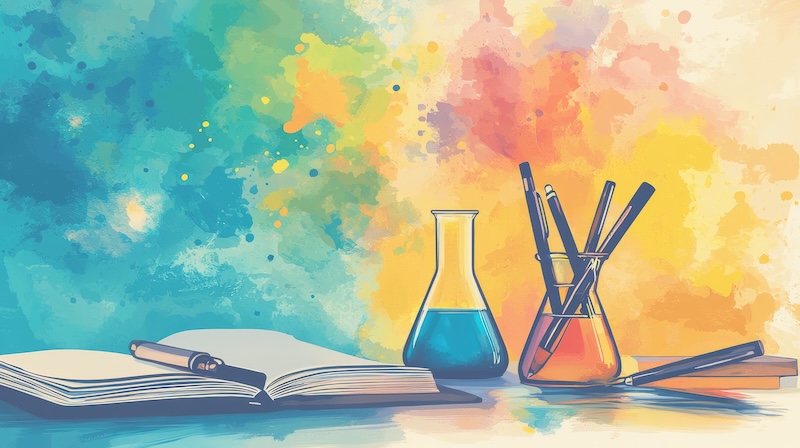 Automotive paint is engineered to bond permanently to metal while resisting corrosion, ultraviolet radiation, moisture, and temperature changes. Today’s finishes typically include three layers: primer, color coat, and clearcoat.
- Primer anchors the system to the bare metal and prevents oxidation. It also smooths micro-imperfections and helps the color coat adhere evenly.
- Color coat provides the pigment. This layer contains complex blends of resins, metallic flakes, and polymers that determine not only hue but also depth and reflectivity.
- Clearcoat seals and protects. It adds the gloss that makes cars shine while also defending against sun, acid rain, and environmental damage.
Each layer must chemically interact with the one below it. If surface preparation, temperature, or mix ratios stray from specifications, paint can peel, blister, or fade prematurely. That’s why we treat every step like a science experiment — controlled, measured, and verified.
Surface Prep: Paint Science Shows that Skill Makes the Difference
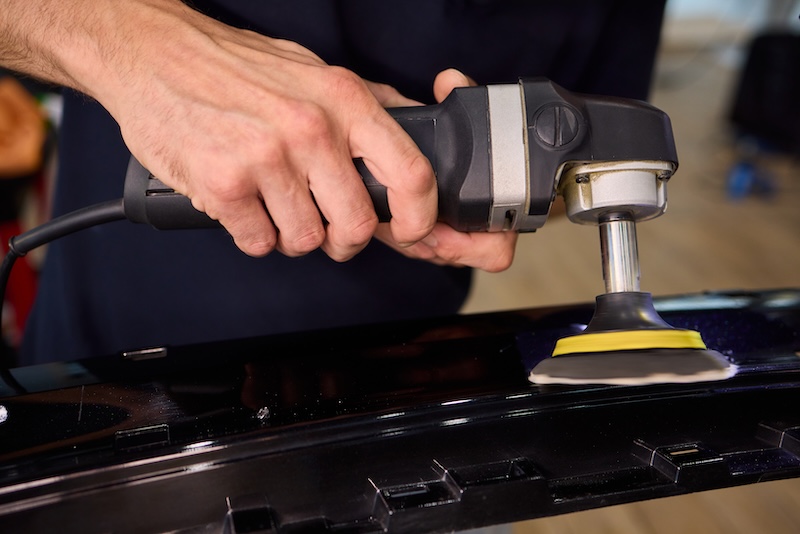 Before paint ever touches metal, our technicians spend hours preparing the surface. We remove damaged coatings, sand the substrate to precise smoothness, and clean with specialized solvents that leave zero residue.
Even a fingerprint can ruin adhesion. That’s why we wear gloves and inspect every panel under bright, color-balanced lighting. Small imperfections invisible to the casual eye show up instantly in paint — which is why surface prep often takes longer than painting itself.
For aluminum, steel, and composite panels, we use specific primers formulated for each material. Aluminum, for instance, requires an etching primer that chemically “grabs” the surface to prevent corrosion. Steel panels need a different base layer with anti-rust additives. Understanding these microscopic interactions is part of our daily routine.
The Paint Science of Color Matching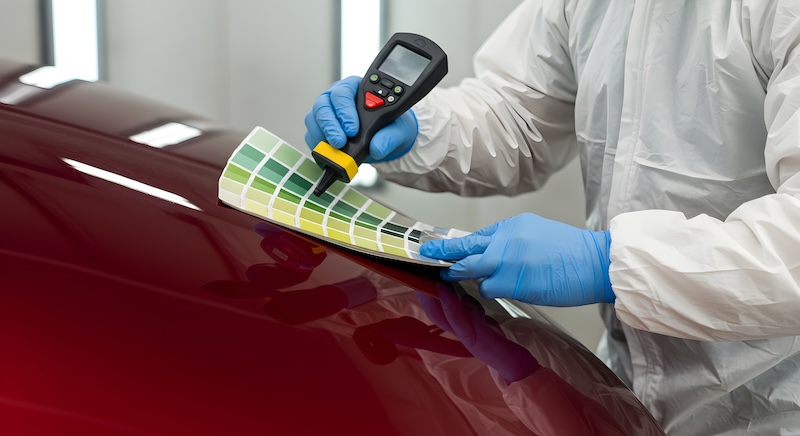
Modern vehicles use complex paint codes that include not only hue but metallic content, flake size, and pigment orientation. Over time, however, environmental exposure alters color — sunlight bleaches reds, road debris dulls metallics, and oxygen slightly shifts tone.
Matching new paint to a weathered panel requires more than reading a code. We use spectrophotometers, digital scanners that analyze the color spectrum reflected from a vehicle’s surface. The data feeds into software that generates precise mixing formulas.
But technology only gets part of the way. Our experience finishes the job. We fine-tune by eye, adding minute tints to adjust for age, oxidation, or clearcoat yellowing. Lighting angle, temperature, and even humidity affect how color appears. We’ve spent decades perfecting this art — and it shows when repaired vehicles roll out seamless and indistinguishable from factory originals.
Layering and Application: Controlled Precision
 When it’s time to spray, timing and consistency matter. We use downdraft spray booths that maintain ideal airflow, humidity, and filtration. This prevents dust contamination and keeps airborne particles from marring fresh paint.
We apply multiple thin coats rather than a single heavy layer. Each pass allows solvents to evaporate evenly, reducing the risk of sagging or “orange peel” texture. Between coats, we measure film thickness using electronic gauges. The target thickness must fall within manufacturer tolerances — typically 2.0–2.5 mils per coat — to guarantee durability and color accuracy.
After the color coat, the clearcoat layer seals everything beneath it. This final application must cure properly, forming crosslinked polymers that resist scratching and UV damage. We accelerate this process with controlled heat cycles that harden paint while preserving flexibility.
How Color Changes Over Time: Paint Science in Action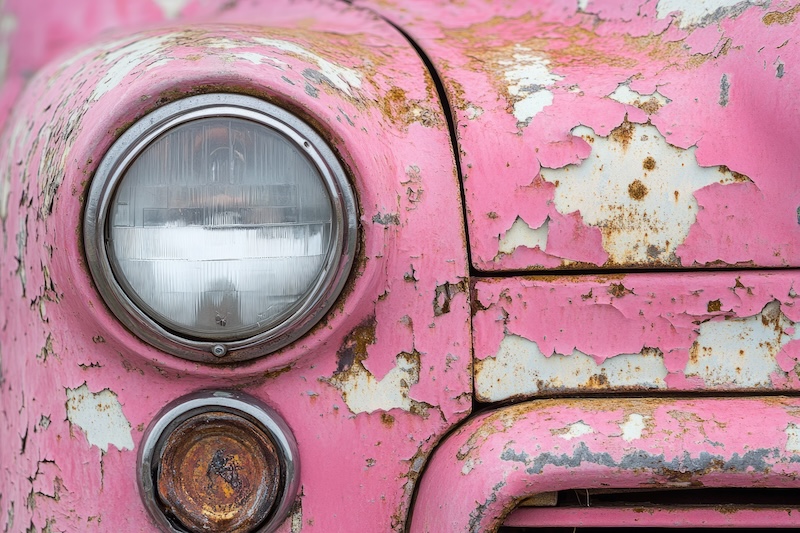
Even the best finishes evolve. UV rays gradually break down pigment molecules, oxygen oxidizes clearcoat, and microscopic abrasion from washing dulls shine. That’s why older vehicles often appear slightly different than when they left the factory.
We account for those shifts during every job. We don’t just match paint to code — we match to the car’s current condition. Blending techniques fade new paint into adjacent panels to create an invisible transition. This meticulous process requires judgment, steady hands, and years of experience.
To extend paint life, we recommend washing vehicles regularly, avoiding harsh detergents, and applying professional-grade sealants or ceramic coatings. These steps maintain the integrity of both color and clearcoat while reducing UV degradation.
The Human Factor: Precision Through Experience
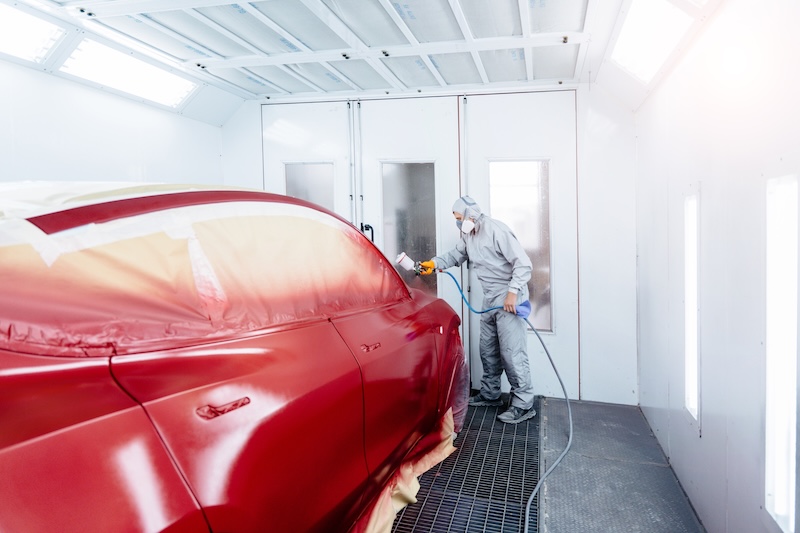 At DG Collision Center, technology supports the process, but our people perfect it. Every technician here brings years of hands-on experience and an eye for detail that no automated system can replace. We mix color formulas with care, adjust for lighting conditions, and inspect each reflection until it meets our standards.
Our commitment goes beyond what an insurance estimate might require. If a fender’s fade doesn’t quite match the hood, we adjust until it does. If temperature fluctuates, we recalibrate our equipment to maintain viscosity and spray pattern. That dedication to craft defines who we are — and it’s the reason customers trust us with their vehicles again and again.
Protecting Your Investment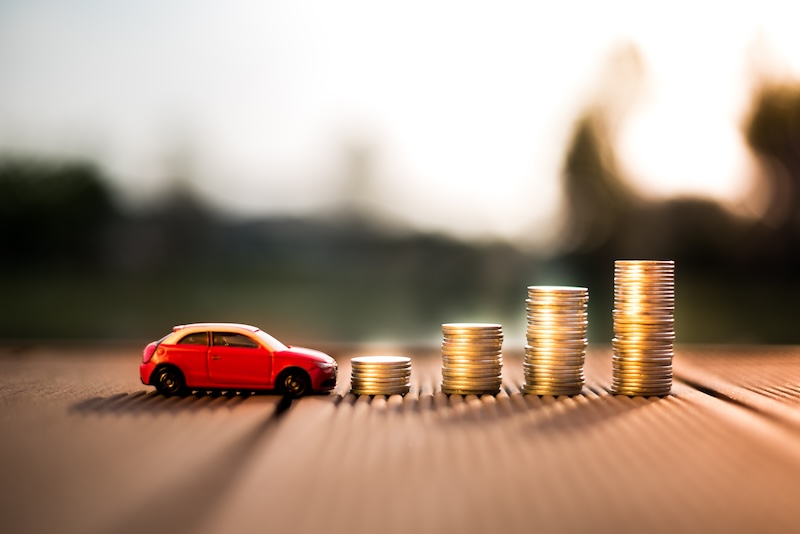
Quality refinishing isn’t only about beauty. Paint seals out moisture and road chemicals that can corrode underlying metal. A precise repair restores both appearance and structural protection. That’s why we treat every repaint as both a cosmetic and a mechanical restoration.
If you notice fading, chipping, or mismatched panels after an accident, professional refinishing protects long-term vehicle value. Our technicians correct more than color — we preserve the integrity of your car’s bodywork for years to come.
Call DG Collision Center for Expert Auto Body and Paint Repair: The Experts Behind Paint Science
Automotive paint work blends chemistry, artistry, and experience. From metal preparation to final polish, every stage demands precision. Our team combines modern technology 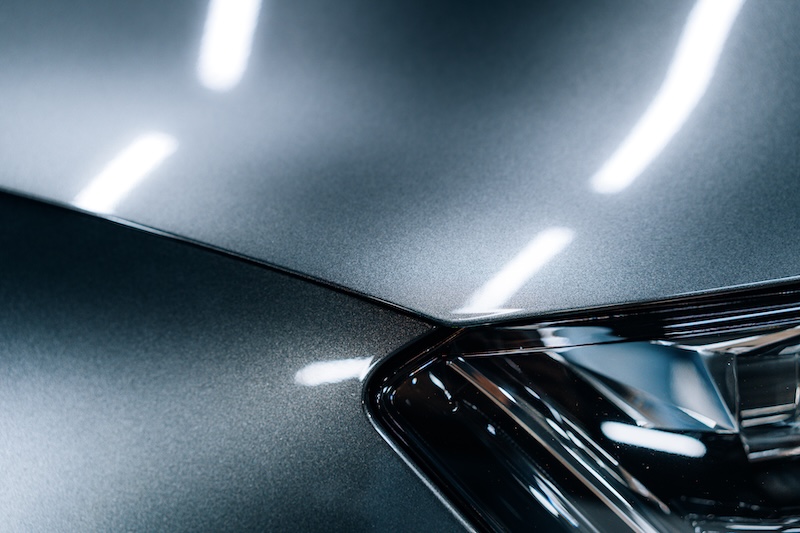 with old-school craftsmanship to restore cars perfectly — down to the smallest reflection.
When you need accurate color matching, flawless finishes, or expert body repair, call DG Collision Center in Covina. We handle everything from frame straightening to full paint restoration with unmatched attention to detail and pride in our work.
About DG Collision Center, an Auto Body Shop in Covina, California
We would love to help restore your vehicle following a car accident or comprehensive damage. DG Collision Center in Covina, California is your one-stop-shop in Covina for auto body repair after car accidents. Our highly trained team includes specialized technicians. We work directly with all insurance companies. This enables our customers to file a claim without even needing to be present. We pride ourselves in providing excellent service at DG Collision Center in Covina, California.